
Sports
The Need for Speed: Mastering Racing Speed for Track Dominance and SEO Victory

Introduction
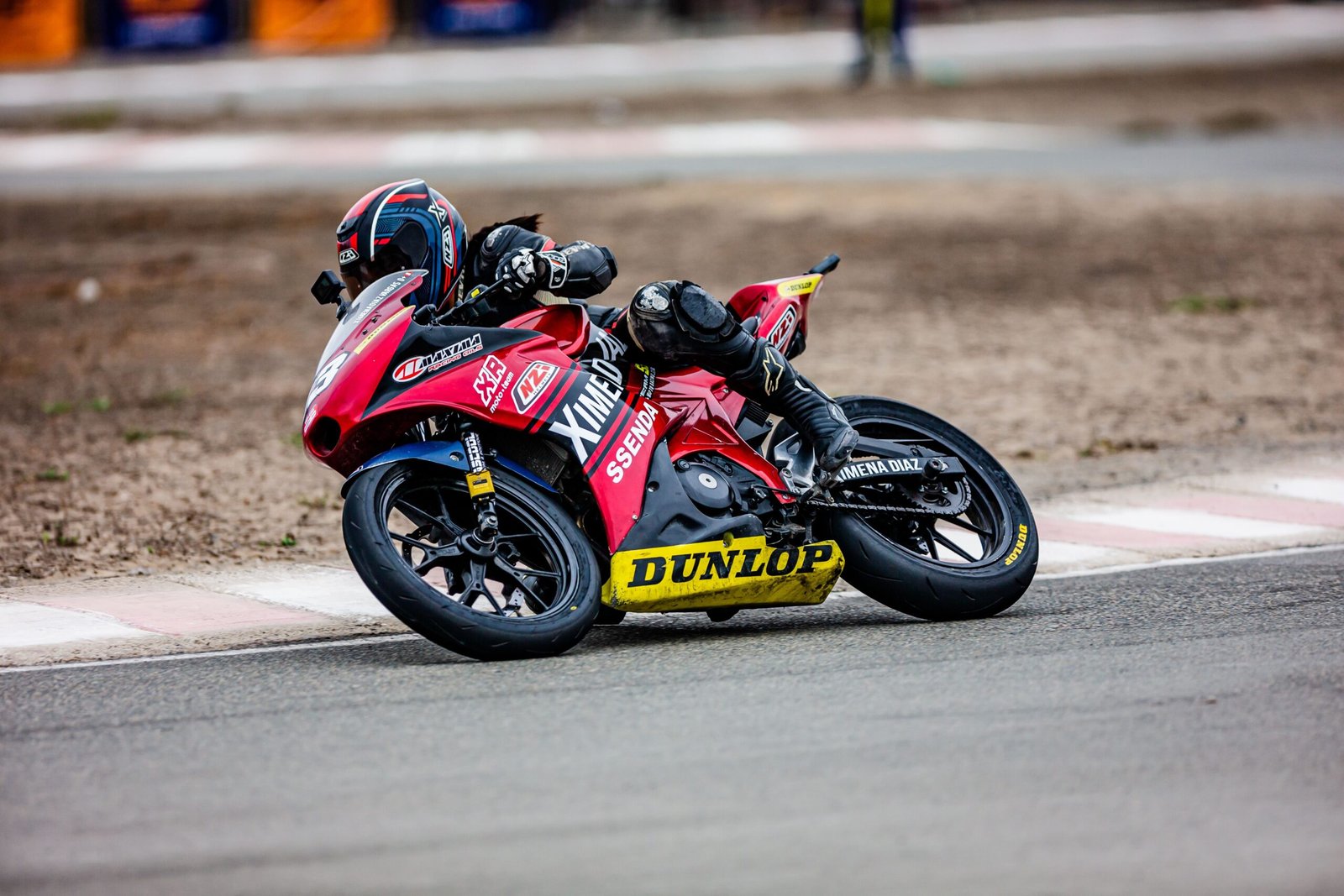
Speed is the lifeblood of motorsport. It is the metric by which legends are forged and championships are won. Yet, the pursuit of “racing speed” is deceptively complex. It extends far beyond the raw horsepower of an engine, encompassing a delicate interplay of physics, engineering, driver psychology, and race-day strategy. For drivers, teams, and enthusiasts alike, understanding the multifaceted nature of speed is the key to unlocking true potential on the track. This article serves as a comprehensive deep dive into the elements that constitute racing speed, providing a definitive guide for those looking to understand what it truly takes to be fast.
Deconstructing Racing Speed: Beyond the Throttle
When we discuss racing speed, it is essential to move beyond the simplistic notion of a car’s top speed. A vehicle might possess immense power, but without the ability to apply it effectively, that power is wasted. True racing speed is the result of optimizing a complex system.
The Engineering Foundation: Chassis, Aero, and Mechanical Grip
A racing car is a symphony of engineering, and its speed is dictated by how well these components work in harmony. The chassis provides the rigid foundation for suspension components, which in turn manage the car’s contact with the track. The suspension geometry is crucial; it determines how the tires maintain contact with the surface under braking, acceleration, and cornering loads. A poorly set-up car, regardless of its power, will be slow and unpredictable.
Aerodynamics represent another critical frontier. Downforce—the negative lift that pushes the car onto the track—is the magic ingredient for cornering speed. By channeling air over spoilers, splitters, and diffusers, engineers can generate immense grip, allowing drivers to carry significantly more speed through corners. The famous phrase “aero grip” highlights this principle: it is grip that doesn’t wear down like mechanical grip from tires . This allows for the high cornering speeds that are the hallmark of modern racing. Conversely, teams also work tirelessly to reduce drag, the aerodynamic resistance that limits top speed on straights. Finding the perfect balance between low drag for straights and high downforce for corners is the eternal engineering challenge .
The Human Element: The Driver’s Role in Speed
While engineering provides the car’s potential, the driver must unlock it. The driver is the ultimate control system, and their ability to extract speed is a skill refined over thousands of laps.
Braking: The Unsung Hero of Speed. In many ways, a driver’s most potent tool for gaining time is not the accelerator, but the brake pedal. The goal is to brake as late and as hard as possible without locking the wheels or unsettling the car’s balance. Trail braking, the technique of continuing to brake while turning into a corner, is a hallmark of elite drivers. It allows them to shift weight to the front tires, increasing their grip and turning capability while simultaneously managing the car’s entry speed. This technique is fundamental to achieving a fast corner entry.
The Racing Line: The Blueprint for Speed. The fastest way around a track is the racing line—the geometric path that minimizes the time taken to complete a lap. By turning the car’s path into the straightest possible line through a corner, the driver reduces the severity of the turn, allowing for higher speeds. The classic apex line involves entering a corner from the outside, touching the inside curb at the apex, and then using all the track on the exit . A common adage in racing is that a good exit is more important than a perfect entry, as the speed you carry onto the next straight dictates your overall lap time. Drivers master the “slow in, fast out” philosophy, prioritizing a powerful exit from a corner over a risky, high-speed entry.
The Strategy of Speed: Winning the Race Before the Start
Speed on a single lap is one thing, but racing speed over a full distance requires strategic intelligence. A driver must manage their tires and fuel to maintain speed for the duration of the event.
Tire Management and Consistency
Tires are the only contact point between the car and the track, and their performance degrades over a stint. Aggressive driving can overheat and wear the tires, leading to a significant loss of grip and lap time. A truly fast driver is not just fast over one lap; they are consistently fast over many laps. This involves understanding tire behavior, managing wheelspin, and avoiding lockups to preserve grip for the crucial final stages of a race. As one motorsport expert notes, “The strongest motorsport brands today are not built only through race results” but through consistent performance and education, and the same applies to racecraft .
Overtaking and Racecraft
Pure speed is rarely enough to win a race; a driver must be able to overtake. This requires a different kind of speed—the ability to position the car, brake later into a corner, and out-think an opponent. It is a high-stakes game of chess played at immense speed. Classic overtaking spots are at the end of long straights where a driver can get a slipstream (drafting) to reduce their aerodynamic drag, allowing them to pull alongside an opponent before braking. The ability to force an opponent into a defensive error is a crucial skill in the fight for track position.
How to Optimize Your Content for “Racing Speed” (Search Engine)
While the topic may not be directly related to website speed, this article focuses on the keyword “racing speed.” To rank for it, the content must be SEO-optimized, embracing the principles of depth, authority, and trust .
Structured Data for the Win
To enhance visibility in search results, implement Schema Markup to provide search engines with explicit context about your content . The FAQPage schema is particularly effective for question-and-answer content, such as the FAQ section below, making it more likely to appear in rich snippets and answer boxes . This helps AI engines and search algorithms “understand” and “extract” your information rapidly, a concept that is increasingly important for ranking .
Content Depth and Authority
Google and other search engines favor content that demonstrates authority and provides comprehensive answers to user queries . This article is deliberately long-form, as articles of around 1,500 to 2,000 words tend to rank better, especially for competitive keywords . The content covers the topic in detail, educating the reader on the engineering, driving, and strategy aspects of racing speed, which builds trust and authority .
Conclusion
“Racing speed” is not a single attribute but a synthesis of engineering brilliance, driver skill, and strategic acumen. It is the ability to harmonize the machine with the human, to manage resources over a race distance, and to execute perfect technique lap after lap. For anyone looking to understand the sport or to improve their own performance, recognizing the depth of this concept is the first step. Speed is not just about going fast; it’s about the mastery of all the elements that make it possible.
Frequently Asked Questions (FAQ)
Q1: What is the most important factor in racing speed?
A: There is no single most important factor. Racing speed is determined by a synergy between the car’s engineering (engine power, chassis, and aerodynamics), the driver’s skill (braking, throttle control, and racing line), and the strategy for managing tires and fuel over a race distance. A weakness in any one area can compromise overall speed.
Q2: What is the racing line?
A: The racing line is the fastest path around a race track. It is a geometric route that minimizes the time taken to complete a lap. It typically involves entering a corner from the outside, touching the inside curb at the apex, and then utilizing the full width of the track on the exit to maximize cornering speed and acceleration onto the next straight .
Q3: Why is braking so important in racing?
A: Braking is a critical skill because it allows a driver to control the car’s balance and entry speed into a corner. Late, hard, and precise braking can gain significant time. Techniques like trail braking (braking while turning) are fundamental to managing weight transfer and achieving a fast corner entry. As many drivers say, “races are won in the braking zones.”
Q4: How does aerodynamics affect racing speed?
A: Aerodynamics is split into two key goals: generating downforce and reducing drag. Downforce pushes the car onto the track, increasing grip and allowing for much higher speeds through corners. Reducing aerodynamic drag lowers resistance, allowing for a higher top speed on straights. Race engineers constantly seek to balance these two conflicting aerodynamic needs.
Q5: What is the key to overtaking in a race?
A: Successful overtaking requires a combination of racecraft, courage, and strategy. A driver must use slipstreaming (drafting) to get close to the car ahead, brake later and more effectively, and position their car for the overtake. This often involves forcing an opponent to take a defensive line, compromising their corner exit speed.

Blackburn Rugby Club, officially known as Blackburn Rugby Union Football Club (Blackburn RUFC), is one of Lancashire’s respected community rugby clubs with a proud tradition of competitive rugby, player development, and community involvement. Over the years, the club has built a strong reputation for welcoming players of all ages and abilities while promoting the core values of rugby union—teamwork, respect, discipline, and sportsmanship.
In 2026, searches for Blackburn Rugby Club, Blackburn RUFC fixtures, Blackburn Rugby membership, Blackburn junior rugby, and Blackburn Rugby Club teams continue to grow as players, families, and supporters seek information about one of the region’s established rugby clubs.
This complete guide explores Blackburn Rugby Club’s history, home ground, senior and junior teams, facilities, coaching philosophy, league participation, community impact, and future ambitions.
The History of Blackburn Rugby Club
Blackburn Rugby Union Football Club has been an important part of Lancashire’s sporting landscape for many decades. Throughout its history, the club has provided opportunities for local players to enjoy competitive rugby while building lasting friendships and developing valuable life skills.
Like many successful community rugby clubs across England, Blackburn RUFC has experienced league promotions, challenging seasons, memorable victories, and continuous development. These experiences have strengthened the club’s identity and reinforced its commitment to sustainable growth.
The club has remained dedicated to balancing competitive success with grassroots participation, ensuring rugby remains accessible to players of every background and experience level.
Today, Blackburn Rugby Club continues to represent the values that have long defined English rugby union while embracing modern coaching methods and player welfare initiatives.
Home Ground and Club Facilities
The home of Blackburn Rugby Club serves as the center of club activity throughout the rugby season.
Designed to support training, competitive fixtures, youth development, and social events, the club’s facilities provide an excellent environment for players and supporters alike.
Typical facilities include:
- Well-maintained rugby pitches
- Floodlit training areas
- Modern changing rooms
- Clubhouse with hospitality facilities
- Function rooms for club events
- Spectator viewing areas
- Refreshment services
- On-site parking
The clubhouse plays an important role beyond rugby, hosting awards evenings, fundraising events, family celebrations, and community gatherings that strengthen the club’s close-knit atmosphere.
Senior Teams and Competitive Rugby
Competitive rugby remains central to the identity of Blackburn RUFC.
The club fields senior teams that compete in organized rugby union leagues and regional cup competitions throughout the season.
Players participate in:
- League fixtures
- Cup competitions
- Friendly matches
- Development fixtures
- Pre-season preparation games
The coaching staff places strong emphasis on:
- Tactical awareness
- Technical skill
- Physical conditioning
- Leadership
- Communication
- Match discipline
Senior rugby provides players with opportunities to develop individually while contributing to the collective success of the team.
Junior Rugby and Player Development
One of Blackburn Rugby Club‘s greatest strengths is its commitment to developing future generations of rugby players.
The club operates comprehensive youth rugby programs that introduce children to the game while helping experienced young players continue progressing through structured coaching pathways.
Junior opportunities often include:
- Mini rugby
- Age-grade teams
- Skills development sessions
- Rugby festivals
- Holiday coaching camps
- Development academies
Training focuses on several important areas.
Technical Skills
Young players improve tackling, passing, kicking, catching, rucking, and ball-handling techniques.
Physical Development
Age-appropriate fitness, agility, speed, coordination, and strength exercises prepare players for competitive rugby.
Tactical Understanding
Players develop decision-making, positioning, teamwork, and match awareness through game-based coaching.
Personal Growth
Blackburn RUFC encourages respect, confidence, resilience, leadership, discipline, and sportsmanship in every training session.
These programs help create clear pathways into senior rugby while promoting lifelong participation in the sport.
Membership and Community Involvement
Blackburn Rugby Club is much more than a place to play rugby—it is an important community organization.
The club welcomes players, families, volunteers, sponsors, and supporters who all contribute to creating a positive rugby environment.
Membership opportunities commonly include:
- Senior playing memberships
- Junior memberships
- Family memberships
- Social memberships
- Volunteer roles
Community activities often include:
- Youth rugby festivals
- Charity fundraising events
- Club dinners
- Awards evenings
- School partnerships
- Community coaching sessions
- Family fun days
These initiatives strengthen relationships between the rugby club and the wider Blackburn community while encouraging greater participation in grassroots sport.
Why Blackburn Rugby Club Continues to Thrive
Several key factors explain why Blackburn RUFC remains one of Lancashire’s respected community rugby clubs.
Strong Rugby Heritage
Generations of players have contributed to the club’s proud sporting tradition.
Quality Coaching
Qualified coaches focus on technical improvement, tactical understanding, and player welfare.
Inclusive Environment
The club welcomes participants of all ages and experience levels, making rugby accessible to everyone.
Youth Development
Investment in junior rugby ensures a steady pathway for future senior players.
Dedicated Volunteers
Volunteers support coaching, administration, fundraising, hospitality, and matchday operations, helping the club operate successfully throughout the year.
Together, these strengths provide a solid foundation for long-term success both on and off the field.
The Future of Blackburn Rugby Club
Looking ahead to 2026 and beyond, Blackburn Rugby Club continues pursuing sustainable growth while maintaining its community-focused philosophy.
Future priorities include:
- Expanding junior rugby participation
- Supporting women’s and girls’ rugby initiatives
- Improving training facilities
- Recruiting additional qualified coaches
- Strengthening community partnerships
- Enhancing player welfare
- Increasing volunteer involvement
- Maintaining competitive league performances
These objectives will help ensure Blackburn RUFC continues serving players and supporters for many years to come.
Frequently Asked Questions About Blackburn Rugby Club
What does RUFC stand for?
RUFC stands for Rugby Union Football Club, indicating that the club competes in rugby union.
Does Blackburn Rugby Club have junior teams?
Yes. The club operates a structured junior rugby program with teams across multiple age groups.
Can beginners join Blackburn Rugby Club?
Absolutely. Players of all abilities are welcome, and coaching is available for newcomers as well as experienced rugby players.
Does Blackburn Rugby Club compete in league rugby?
Yes. Senior teams participate in organized rugby union league competitions and regional cup tournaments throughout the season.
Is Blackburn Rugby Club family-friendly?
Yes. The club encourages family participation through youth rugby, volunteering opportunities, social events, and community activities.
Final Thoughts
In 2026, Blackburn Rugby Club (Blackburn RUFC) continues to demonstrate why community rugby union remains such an important part of English sport. Combining competitive league rugby, excellent coaching, strong youth development, modern facilities, and a welcoming club culture, Blackburn RUFC provides opportunities for players of all ages to enjoy and develop within the game.
Whether you’re interested in joining as a player, enrolling your child in junior rugby, volunteering on matchdays, or simply supporting local sport, Blackburn Rugby Club offers a rewarding experience built on respect, teamwork, discipline, and lifelong participation. As the club continues to invest in its facilities, coaching programs, and community partnerships, Blackburn RUFC is well-positioned to build on its proud tradition and remain a valued part of Lancashire’s rugby landscape for generations to come.


Morley RUFC (Morley Rugby Union Football Club) is one of Yorkshire’s most respected community rugby clubs, known for its rich history, competitive rugby, youth development, and strong local support. For generations, the club has provided players of all ages with opportunities to compete, develop their skills, and enjoy the values that define rugby union—teamwork, discipline, respect, and commitment.
In 2026, interest in Morley RUFC, Morley Rugby Club fixtures, Morley RUFC membership, Morley rugby teams, and Morley RUFC juniors continues to grow as supporters, players, and families follow one of West Yorkshire’s established rugby clubs.
This comprehensive guide explores everything you need to know about Morley RUFC, including its history, facilities, senior and junior teams, coaching philosophy, community involvement, and future ambitions.
The History of Morley RUFC
Morley Rugby Union Football Club has a proud heritage that stretches back more than a century, making it one of the long-established rugby clubs in West Yorkshire. Since its formation, the club has built a reputation for playing competitive rugby while maintaining a welcoming environment for players, volunteers, and supporters.
Throughout its history, Morley RUFC has competed in various levels of the English rugby union league structure, experiencing successful seasons, memorable victories, and periods of rebuilding. These experiences have helped shape the club’s identity and strengthened its position within the regional rugby community.
The club has always placed equal importance on sporting success and community values, encouraging participation from players of all abilities while fostering lifelong friendships through rugby.
Home Ground and Club Facilities
The home of Morley RUFC serves as more than just a venue for rugby matches. It is a gathering place where players, supporters, and families come together throughout the season.
The club’s facilities are designed to support training, competitive fixtures, and social events.
Key features typically include:
- Well-maintained rugby pitches
- Floodlit training areas
- Modern changing rooms
- Clubhouse with hospitality facilities
- Spectator viewing areas
- Function rooms for club events
- Refreshment and catering services
- Parking for visitors
These facilities enable Morley RUFC to host league fixtures, junior festivals, training sessions, fundraising activities, and community events throughout the rugby calendar.
Senior Teams and Competitive Rugby
Competitive rugby remains central to Morley RUFC’s identity.
The club regularly fields senior squads that compete in organized rugby union leagues and cup competitions, providing players with opportunities to develop and perform at a high standard.
Throughout the season, teams participate in:
- League fixtures
- Cup competitions
- Friendly matches
- Pre-season preparation games
- Regional rugby tournaments
Senior rugby at Morley emphasizes:
- Tactical awareness
- Physical conditioning
- Teamwork
- Discipline
- Leadership
- Continuous improvement
Players benefit from experienced coaching and a competitive yet supportive environment that encourages long-term development.
Junior Rugby and Player Development
One of Morley RUFC‘s greatest strengths is its commitment to grassroots rugby.
The club operates an extensive junior section, introducing children and teenagers to rugby union in a safe, enjoyable, and structured environment.
Youth rugby programs often include:
- Mini rugby
- Junior age-grade teams
- Academy-style development sessions
- Holiday coaching camps
- Skills workshops
- Rugby festivals
Coaches focus on helping young players develop:
Core Rugby Skills
Passing, tackling, catching, kicking, rucking, and ball handling form the foundation of every training session.
Physical Development
Age-appropriate fitness, agility, coordination, and strength exercises prepare players for competitive rugby.
Tactical Understanding
Players learn positioning, game management, teamwork, and decision-making through structured coaching.
Personal Growth
The club emphasizes confidence, respect, leadership, resilience, and sportsmanship both on and off the field.
By investing in junior rugby, Morley RUFC helps secure the future of the sport while creating pathways into senior rugby.
Community Spirit and Club Culture
One of the defining characteristics of Morley Rugby Union Football Club is its strong community spirit.
The club is supported by players, parents, volunteers, sponsors, and loyal supporters who contribute countless hours to ensuring rugby remains accessible for everyone.
Community activities include:
Youth Development Programs
Providing opportunities for children to participate in organized sport while building confidence and teamwork.
Volunteer Support
Volunteers assist with coaching, administration, hospitality, fundraising, and matchday operations.
Social Events
The clubhouse regularly hosts dinners, awards nights, charity fundraisers, family events, and celebrations that strengthen the club community.
Local Partnerships
Morley RUFC works alongside schools, businesses, and community organizations to promote rugby participation and healthy lifestyles.
These initiatives make the club an important part of the wider Morley community.
Why Morley RUFC Continues to Thrive
Several factors have helped Morley RUFC remain one of Yorkshire’s respected rugby clubs.
Rich Rugby Tradition
The club’s long history provides a strong foundation built on generations of players and supporters.
Quality Coaching
Qualified coaches focus on technical development, tactical understanding, and player welfare.
Inclusive Environment
Players of different ages and experience levels are welcomed and encouraged to enjoy rugby.
Strong Volunteer Network
Dedicated volunteers help maintain facilities, organize events, and support every aspect of club operations.
Focus on Youth
Investment in junior rugby ensures continued player development and long-term sustainability.
Together, these strengths allow Morley RUFC to remain competitive while preserving the welcoming atmosphere that attracts new members each year.
The Future of Morley RUFC
Looking ahead to 2026 and beyond, Morley Rugby Union Football Club continues to pursue sustainable growth while maintaining its community-focused philosophy.
Future priorities include:
- Expanding junior rugby participation
- Supporting women’s and girls’ rugby initiatives
- Improving training facilities
- Recruiting additional qualified coaches
- Strengthening community partnerships
- Enhancing player welfare programs
- Growing membership numbers
- Maintaining competitive league performances
By balancing sporting ambition with responsible management, Morley RUFC aims to continue serving players and supporters for generations to come.
Frequently Asked Questions About Morley RUFC
What does RUFC stand for?
RUFC stands for Rugby Union Football Club, indicating that the club plays rugby union rather than rugby league.
Does Morley RUFC have junior teams?
Yes. The club operates a comprehensive junior and youth rugby program with teams across multiple age groups.
Can beginners join Morley RUFC?
Absolutely. The club welcomes players of all experience levels and provides coaching for newcomers as well as experienced rugby players.
Does Morley RUFC compete in league rugby?
Yes. Senior teams participate in organized rugby union league competitions and cup tournaments throughout the season.
Is Morley RUFC family-friendly?
Yes. The club encourages family involvement through youth rugby, social events, volunteering opportunities, and welcoming matchday experiences.
Final Thoughts
In 2026, Morley RUFC continues to exemplify the values that make community rugby union so important. Combining a proud history, competitive senior rugby, excellent youth development, dedicated volunteers, and a welcoming club culture, Morley Rugby Union Football Club remains a vital part of the sporting landscape in West Yorkshire.
Whether you’re interested in joining as a player, enrolling a child in junior rugby, attending league fixtures, or becoming part of a vibrant rugby community, Morley RUFC offers an outstanding environment built on respect, teamwork, and lifelong participation in the sport. As the club continues to invest in facilities, coaching, and community initiatives, it is well-positioned to inspire future generations and remain one of Yorkshire’s most valued rugby institutions.


 Tech2 months ago
EO PIS: Complete Guide to the Electronic Office Personnel Information System in 2026
- Sports2 months ago
Mark Hines: The Multifaceted Journey of a Scientist, Athlete, and Thought Leader
- Fashion2 months ago
Jo Wilder: Exploring the Name, Authors, and Educational Impact
- Uncategorized2 months ago
Nerwey: Unlocking the Power of a Unique Digital Identity for Branding and SEO Success
- Lifestyle2 months ago
Mercedes Spall: The Untold Story of Timothy Spall’s Daughter Who Chose Privacy Over Fame
- Tech2 months ago
The Definitive Article on xgrace19x
- Fashion2 months ago
Deanna Che: The Enigmatic Landscape Architect and the Quiet Force Behind a Star’s Multicultural Roots
- Tech2 months ago
The Complete Supanet Mail Guide: Setup, Troubleshooting & Expert Tips for 2026