
Sports
Wincanton Races: The Ultimate Guide to Somerset’s Premier Jump Racing Venue


Introduction
Nestled in the heart of Somerset, Wincanton Racecourse stands as one of British horse racing’s most cherished venues, offering an intimate and thrilling National Hunt racing experience that has captivated spectators for over 150 years. Unlike the sprawling grandeur of Cheltenham or the flat speed of Newmarket, Wincanton represents the very soul of jump racing—a course where bold jumping, stamina, and tactical brilliance are rewarded against a backdrop of rural charm and passionate local support. From its humble beginnings in a farmer’s field at Hatherleigh in 1867 to its current status as a multiple award-winning racecourse owned by The Jockey Club, Wincanton has carved out a unique place in the racing calendar. This comprehensive guide explores everything that makes Wincanton races special—from its rich history and famous feature races to practical tips for visitors seeking to experience the excitement firsthand.
The Storied History of Wincanton Racecourse
From Hatherleigh Farm to Kingwell Farm
The origins of Wincanton Racecourse are deeply rooted in the hunting traditions of rural Somerset. During the early 19th century, cross-country match races between hunting men became increasingly common at Hatherleigh Farm, to the South West of Wincanton. These informal competitions evolved into more structured events, and with the formation of the National Hunt Committee in 1861, the foundation was laid for organized jump racing. The first official meeting at Wincanton took place on 1st August 1867 at Hatherleigh Farm, drawing “several thousand” spectators who arrived dressed in their finest attire, “as though they were going to the Derby”. This remarkable turnout is even more impressive when considering the context of the era—the ordinary agricultural labourer of the late 1860s earned just 12 shillings a week, equivalent to approximately £40 today, and enjoyed almost no holiday time. The opportunity for affordable rural entertainment clearly resonated with the local community.
The year 1893 marked a significant milestone with the formation of the Wincanton Hunt Steeplechases, and the first meeting under what was known as “Grand National Rules” took place on Easter Bank Holiday. The very first race of that meeting was won by MacDuff, ridden by Laurence McCreery, beginning a family connection to the course that would span generations. By 1897, a company was officially incorporated, and leases were obtained on the land at Hatherleigh Farm to formalize operations under National Hunt Rules. However, the outbreak of the First World War brought racing to a halt, and it was not until 1920 that the sport resumed—a situation that proved financially disastrous for the company.
The turning point came when Lord Stalbridge of Motcombe House formed a new board of directors with himself as Chairman, injecting much-needed capital and significantly increasing prize money. In 1925, the lease on Hatherleigh Farm expired, and with Lord Stalbridge’s support, the company purchased Kingwell Farm on the high ground above Wincanton. A new course was laid out at considerable expense, and the first meeting on the present site was held on Easter Monday 1927. This relocation proved transformative, establishing the permanent home that racegoers know today.
Surviving Wartime and Securing the Future
The Second World War brought further challenges when the racecourse was requisitioned by the military, and racing was once again abandoned. By the summer of 1945, the course was in a sorry state—running rails and the stand in the public enclosure had been demolished, and most buildings required significant restoration. Combined with Lord Stalbridge’s ill health, the directors reluctantly put the racecourse up for sale. On 11th July 1945, the property failed to make its reserve at auction, but an extraordinary act of local loyalty saved the course. Harry Dufosee, former estate manager and friend of Lord Stalbridge, secured an option on the property for forty-eight hours and immediately convened a meeting of ten sporting friends—including leading amateur riders, father and son, Eldon and Dick Hunt. These ten individuals formed a syndicate on the spot to save Wincanton Racecourse. Due to wartime restrictions on agricultural labour, the new directors were obliged to undertake all necessary repairs themselves, and through sheer hard work, they successfully held the first post-war race meeting in October 1945.
The future of Wincanton was secured in 1966 when it became the second racecourse, after Cheltenham, to join the Racecourse Holdings Trust—now known as Jockey Club Racecourses. This institutional backing provided financial stability and allowed for substantial investment. The stands were rebuilt in 1968, the offices, weighing and changing rooms were constructed in 1978, and the Hatherleigh Stand was opened in 1990. Today, Wincanton holds approximately seventeen National Hunt meetings during the jumps season, and the Racegoers’ Club has voted it the Best Small Racecourse in the South West an impressive twenty times since 1990, a testament to its enduring appeal and the quality of the experience it offers.
The Wincanton Track: A True Test of Jump Racing Skill
Course Characteristics and Key Features
Wincanton Racecourse is a right-handed, National Hunt-only track located at Kingwell Farm, near the town centre of Wincanton in Somerset. The course is rectangular in shape with a perimeter of approximately one mile and three furlongs, divided into separate circuits for hurdle and steeplechase races. The bends are notably sharp, and the track is fairly flat from the home turn to the winning post, creating a fast, galloping course that suits horses who like to race prominently. The nature of the course is such that front-runners are particularly well-suited to the steeplechase course, as the three fences in the short home straight give hold-up horses little time to recover lost ground. This characteristic makes Wincanton races especially dynamic and often produces thrilling finishes where the boldest jumpers are rewarded. When the ground becomes testing and heavy, however, the course transforms into more of a stamina test, placing greater emphasis on staying power and endurance. This versatility ensures that different types of horses can excel at different times of the season, adding layers of tactical complexity for trainers, jockeys, and punters alike.
The fences at Wincanton are testing, requiring three to be taken in quick succession in the home straight, which means that many races are won or lost in this crucial section of the track. This demanding layout has earned Wincanton a reputation as a fair and safe galloping track where quality horses can showcase their abilities. The course is fortunate to be situated close to many leading jumps trainers, particularly Paul Nicholls’ powerful Ditcheat yard, which is located only approximately ten miles away. This proximity means that Wincanton often attracts high-quality runners and provides competitive racing that punches above its weight for a smaller course. The track also draws entries from the Lambourn training centre, ensuring a steady flow of talented horses throughout the season.
Feature Races and Key Events
The Crown Jewels of Wincanton Racing
Wincanton’s racing calendar features several prestigious events that have become established highlights of the National Hunt season, attracting top-class horses and generating significant interest from racing fans and punters. The Kingwell Hurdle is undoubtedly the jewel in Wincanton’s crown. A Grade 2 race run over two miles in February, the Kingwell Hurdle traditionally serves as a key trial for the Champion Hurdle at the Cheltenham Festival the following month. First run in 1971, the race was won by the legendary Fred Winter-trained Bula, ridden by Richard Pitman, establishing a tradition of excellence that continues to this day. Recent editions have continued to produce Champion Hurdle contenders, and the 2026 running saw Alexei emerge victorious in the BetMGM Kingwell Hurdle, with the race providing vital form lines for the Festival. For racing enthusiasts, the Kingwell Hurdle offers a priceless opportunity to see potential Cheltenham stars in action at an intimate, accessible venue before they compete on the sport’s biggest stage.
Another highlight of the Wincanton calendar is the Badger Ales Trophy, run over approximately 3 miles and 1½ furlongs each November. Established in 1962 and won that year by Quick Step II, trained and ridden by W.R. Williams, this Listed race has grown into one of the most prestigious staying chases outside the Festival. A complete list of winners showcases the quality of horses that have graced Wincanton, with Paul Nicholls dominating the roll of honour in recent years through horses like Present Man, who won the race in both 2017 and 2018 under Bryony Frost, and Give Me A Cooper in 2019. The Boxing Day fixture is another cornerstone of the Wincanton season, featuring the Lord Stalbridge Memorial Handicap Chase—a race that commemorates the man whose vision and financial support were instrumental in establishing the course at its current location. This meeting has become a cherished tradition for many families and racing fans, offering a festive day out at the races when the sporting action is at its most competitive. The racecourse has earned particular recognition for its Christmas meetings, which draw record crowds and feature the Lord Stalbridge Memorial Handicap Chase.
The Wincanton Experience: What to Expect on Race Day
Facilities, Atmosphere, and Practical Tips
Wincanton Racecourse offers an intimate and welcoming atmosphere that larger venues often struggle to replicate. The course is renowned for its knowledgeable and committed crowd, many of whom are local racing enthusiasts with deep connections to the sport. Visitors often remark upon the friendly, community-oriented feel of the venue, which remains true to its dairy farming roots while offering modern facilities and excellent viewing opportunities. The Hatherleigh Stand, opened in 1990, provides enhanced viewing and hospitality, while the Kingwell Restaurant in the Members’ Enclosure has undergone refurbishment to offer a premium raceday experience. In a unique feature, the racecourse’s infield contains a 9-hole golf course, playable as 18 holes by doubling the layout, adding another dimension to the venue’s appeal for non-racing events and activities.
For those planning a visit, practical preparation can significantly enhance the experience. Given the exposed nature of the course and Somerset’s changeable weather, packing layers and waterproof clothing is strongly advised. Arriving early is also recommended, not only to secure good views of the finishing straight but also to absorb the atmosphere and study the racecard before the action begins. Tickets for racedays start from approximately £18, with membership options such as Badger Holders offering access to all fixtures and additional perks. The course is located just outside the town centre of Wincanton, with address Wincanton Racecourse, Wincanton, Somerset, BA9 8BJ, and is easily accessible by road. On-course bookmakers and the Tote operate at every fixture, providing ample opportunities for betting, while online betting is also a popular option for those who prefer to compare prices and take advantage of Best Odds Guaranteed offers.
The course’s compact size ensures excellent visibility from most vantage points, and the intimate scale means that spectators feel close to the action, experiencing the thundering hooves and soaring jumps in a way that larger arenas cannot match. Whether you are a seasoned racing enthusiast or a first-time visitor, Wincanton delivers a genuine and memorable day out that captures the essence of National Hunt racing.
Betting Insights and Course Specialists
Understanding the Track’s Tendencies
Wincanton’s unique characteristics make it a fascinating track for betting, with certain trainers and running styles consistently proving successful. Understanding these tendencies can provide valuable insights for punters. The track’s sharp bends and demanding fences favor bold, accurate jumping and genuine stamina, and horses who like to race prominently are particularly well-suited. With the three fences in the home straight requiring quick jumping, mistakes are costly, and races are frequently won and lost in this decisive section. The going—which can range from heavy to firm—is often decisive, and tracking ground conditions through the day is a useful practice for any punter. In bigger-field handicaps, each-way betting with extra places often represents the value play, given the competitive nature of these races and the potential for unexpected results on a testing track.
Local trainer knowledge is particularly valuable at Wincanton, and certain yards build standout records at the course. Paul Nicholls, whose Ditcheat yard is located only about ten miles away, has been remarkably dominant at Wincanton, recording approximately 71 winners with a strike rate of around 33%. This “course specialist” status makes runners from the Nicholls yard worth a closer look, particularly in feature races like the Badger Ales Trophy and Kingwell Hurdle. Joe Tizzard has also emerged as the most profitable Wincanton yard, with 25 winners at a level-stakes profit, while Jeremy Scott represents another leading local Somerset yard with strong each-way returns from his 22 winners. Philip Hobbs & Johnson White complete the list of the leading West Country jumps yards that regularly find success at Wincanton. For punters looking to maximize their chances, studying recent novice form and fence experience can pay dividends, as novice chasers often progress quickly and can spring surprises. Conditional jockey bookings on improvers are also worth monitoring, as they often signal trainer confidence and can offer value in the betting market.
Conclusion
wincanton races stands as a beacon of tradition and quality in the National Hunt racing calendar, offering an intimate and authentic experience that has earned it the loyalty of racing fans for over 150 years. From its humble origins in the fields of Hatherleigh Farm to its current status as a multiple award-winning Jockey Club venue, Wincanton has weathered wars, financial hardship, and the challenges of modernization while remaining true to the core values of jump racing. Its feature races—the Kingwell Hurdle and the Badger Ales Trophy—consistently attract top-class horses and provide vital pointers for the Cheltenham Festival, while its Boxing Day meeting has become a cherished festive tradition for families and racing enthusiasts across the South West. The course’s sharp bends, demanding fences, and galloping nature create a unique test of jumping and stamina that rewards bold, confident riding and produces thrilling, competitive racing. For visitors, Wincanton offers a welcoming and knowledgeable community, excellent facilities, and a real sense of connection to the sport that is often lost at larger, more commercial venues. Whether you’re seeking to identify the next Champion Hurdle contender, enjoy a festive day of racing, or simply experience the passion and authenticity of National Hunt racing at its finest, Wincanton delivers an unforgettable day out that captures the very essence of the sport.
Frequently Asked Questions
Is Wincanton a flat or jumps racecourse?
Wincanton is a National Hunt (jumps) racecourse only. It does not host flat racing events, specializing exclusively in hurdle and steeplechase racing throughout its season from October to May.
What are the most important races at Wincanton?
The two feature races are the Grade 2 Kingwell Hurdle, run in February and serving as a key trial for the Champion Hurdle at Cheltenham, and the Listed Badger Ales Trophy, a staying chase run in November. The Lord Stalbridge Memorial Handicap Chase on Boxing Day is also a major highlight.
What is the address of Wincanton Racecourse?
Wincanton Racecourse, Wincanton, Somerset, BA9 8BJ.
Who owns Wincanton Racecourse?
Wincanton Racecourse is owned and operated by The Jockey Club (formerly Racecourse Holdings Trust). The racecourse joined the Trust in 1966, becoming the second venue after Cheltenham to do so.
Which trainers perform best at Wincanton?
Paul Nicholls has a dominant record at Wincanton due to the proximity of his Ditcheat yard, with approximately 71 winners and a 33% strike rate. Joe Tizzard is the most profitable yard for level-stakes betting, while Jeremy Scott and Philip Hobbs & Johnson White are also leading local trainers with strong course records.
Can I bet at Wincanton Racecourse?
Yes, on-course bookmakers and the Tote operate at every British racecourse, including Wincanton. Online betting is also popular, with many punters comparing bookmakers and taking advantage of Best Odds Guaranteed offers.
How many race meetings does Wincanton hold each year?
Wincanton holds approximately 16 to 17 National Hunt meetings annually during the jumps season, which runs from October through to May.
What type of track is Wincanton?
Wincanton is a right-handed, rectangular National Hunt track with a perimeter of about one mile and three furlongs. It features sharp bends, testing fences, and is generally considered a fast, galloping track that suits horses who race prominently.
Is Wincanton suitable for novice racegoers?
Absolutely. Wincanton’s compact size, friendly atmosphere, and excellent views make it an ideal introduction to National Hunt racing. The knowledgeable crowd and approachable staff also make it easy for newcomers to learn about the sport.
What facilities are available at Wincanton?
Wincanton offers a range of facilities including the Hatherleigh Stand, the Kingwell Restaurant in the Members’ Enclosure, a 9-hole golf course in the infield, and facilities for conferences, weddings, and hospitality events.
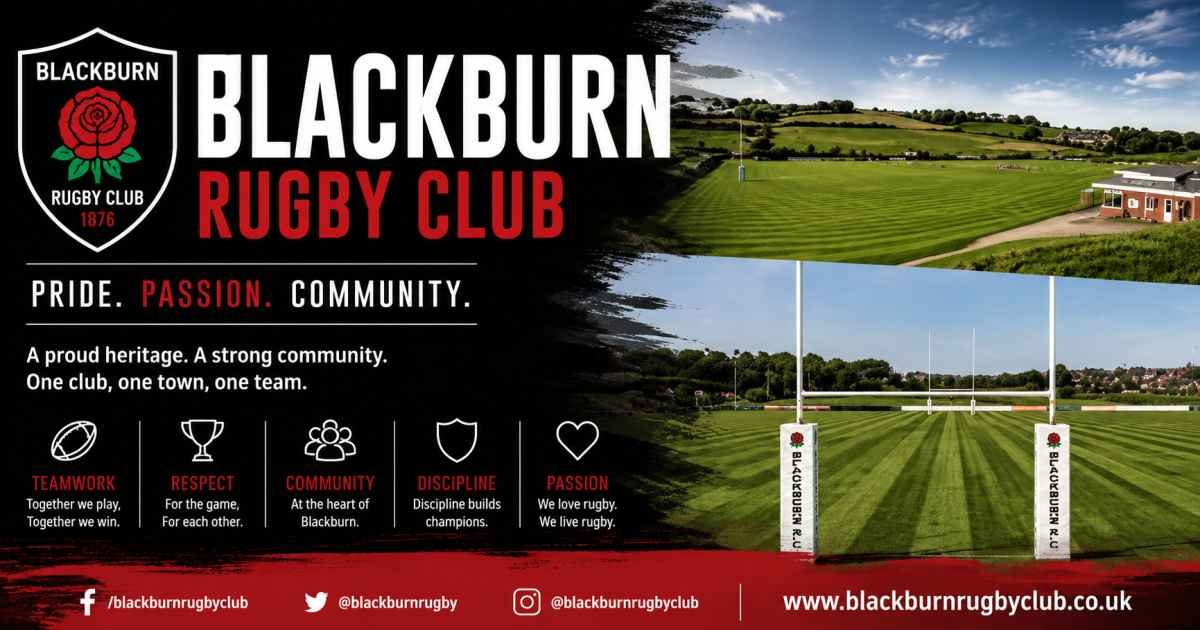
Blackburn Rugby Club, officially known as Blackburn Rugby Union Football Club (Blackburn RUFC), is one of Lancashire’s respected community rugby clubs with a proud tradition of competitive rugby, player development, and community involvement. Over the years, the club has built a strong reputation for welcoming players of all ages and abilities while promoting the core values of rugby union—teamwork, respect, discipline, and sportsmanship.
In 2026, searches for Blackburn Rugby Club, Blackburn RUFC fixtures, Blackburn Rugby membership, Blackburn junior rugby, and Blackburn Rugby Club teams continue to grow as players, families, and supporters seek information about one of the region’s established rugby clubs.
This complete guide explores Blackburn Rugby Club’s history, home ground, senior and junior teams, facilities, coaching philosophy, league participation, community impact, and future ambitions.
The History of Blackburn Rugby Club
Blackburn Rugby Union Football Club has been an important part of Lancashire’s sporting landscape for many decades. Throughout its history, the club has provided opportunities for local players to enjoy competitive rugby while building lasting friendships and developing valuable life skills.
Like many successful community rugby clubs across England, Blackburn RUFC has experienced league promotions, challenging seasons, memorable victories, and continuous development. These experiences have strengthened the club’s identity and reinforced its commitment to sustainable growth.
The club has remained dedicated to balancing competitive success with grassroots participation, ensuring rugby remains accessible to players of every background and experience level.
Today, Blackburn Rugby Club continues to represent the values that have long defined English rugby union while embracing modern coaching methods and player welfare initiatives.
Home Ground and Club Facilities
The home of Blackburn Rugby Club serves as the center of club activity throughout the rugby season.
Designed to support training, competitive fixtures, youth development, and social events, the club’s facilities provide an excellent environment for players and supporters alike.
Typical facilities include:
- Well-maintained rugby pitches
- Floodlit training areas
- Modern changing rooms
- Clubhouse with hospitality facilities
- Function rooms for club events
- Spectator viewing areas
- Refreshment services
- On-site parking
The clubhouse plays an important role beyond rugby, hosting awards evenings, fundraising events, family celebrations, and community gatherings that strengthen the club’s close-knit atmosphere.
Senior Teams and Competitive Rugby
Competitive rugby remains central to the identity of Blackburn RUFC.
The club fields senior teams that compete in organized rugby union leagues and regional cup competitions throughout the season.
Players participate in:
- League fixtures
- Cup competitions
- Friendly matches
- Development fixtures
- Pre-season preparation games
The coaching staff places strong emphasis on:
- Tactical awareness
- Technical skill
- Physical conditioning
- Leadership
- Communication
- Match discipline
Senior rugby provides players with opportunities to develop individually while contributing to the collective success of the team.
Junior Rugby and Player Development
One of Blackburn Rugby Club‘s greatest strengths is its commitment to developing future generations of rugby players.
The club operates comprehensive youth rugby programs that introduce children to the game while helping experienced young players continue progressing through structured coaching pathways.
Junior opportunities often include:
- Mini rugby
- Age-grade teams
- Skills development sessions
- Rugby festivals
- Holiday coaching camps
- Development academies
Training focuses on several important areas.
Technical Skills
Young players improve tackling, passing, kicking, catching, rucking, and ball-handling techniques.
Physical Development
Age-appropriate fitness, agility, speed, coordination, and strength exercises prepare players for competitive rugby.
Tactical Understanding
Players develop decision-making, positioning, teamwork, and match awareness through game-based coaching.
Personal Growth
Blackburn RUFC encourages respect, confidence, resilience, leadership, discipline, and sportsmanship in every training session.
These programs help create clear pathways into senior rugby while promoting lifelong participation in the sport.
Membership and Community Involvement
Blackburn Rugby Club is much more than a place to play rugby—it is an important community organization.
The club welcomes players, families, volunteers, sponsors, and supporters who all contribute to creating a positive rugby environment.
Membership opportunities commonly include:
- Senior playing memberships
- Junior memberships
- Family memberships
- Social memberships
- Volunteer roles
Community activities often include:
- Youth rugby festivals
- Charity fundraising events
- Club dinners
- Awards evenings
- School partnerships
- Community coaching sessions
- Family fun days
These initiatives strengthen relationships between the rugby club and the wider Blackburn community while encouraging greater participation in grassroots sport.
Why Blackburn Rugby Club Continues to Thrive
Several key factors explain why Blackburn RUFC remains one of Lancashire’s respected community rugby clubs.
Strong Rugby Heritage
Generations of players have contributed to the club’s proud sporting tradition.
Quality Coaching
Qualified coaches focus on technical improvement, tactical understanding, and player welfare.
Inclusive Environment
The club welcomes participants of all ages and experience levels, making rugby accessible to everyone.
Youth Development
Investment in junior rugby ensures a steady pathway for future senior players.
Dedicated Volunteers
Volunteers support coaching, administration, fundraising, hospitality, and matchday operations, helping the club operate successfully throughout the year.
Together, these strengths provide a solid foundation for long-term success both on and off the field.
The Future of Blackburn Rugby Club
Looking ahead to 2026 and beyond, Blackburn Rugby Club continues pursuing sustainable growth while maintaining its community-focused philosophy.
Future priorities include:
- Expanding junior rugby participation
- Supporting women’s and girls’ rugby initiatives
- Improving training facilities
- Recruiting additional qualified coaches
- Strengthening community partnerships
- Enhancing player welfare
- Increasing volunteer involvement
- Maintaining competitive league performances
These objectives will help ensure Blackburn RUFC continues serving players and supporters for many years to come.
Frequently Asked Questions About Blackburn Rugby Club
What does RUFC stand for?
RUFC stands for Rugby Union Football Club, indicating that the club competes in rugby union.
Does Blackburn Rugby Club have junior teams?
Yes. The club operates a structured junior rugby program with teams across multiple age groups.
Can beginners join Blackburn Rugby Club?
Absolutely. Players of all abilities are welcome, and coaching is available for newcomers as well as experienced rugby players.
Does Blackburn Rugby Club compete in league rugby?
Yes. Senior teams participate in organized rugby union league competitions and regional cup tournaments throughout the season.
Is Blackburn Rugby Club family-friendly?
Yes. The club encourages family participation through youth rugby, volunteering opportunities, social events, and community activities.
Final Thoughts
In 2026, Blackburn Rugby Club (Blackburn RUFC) continues to demonstrate why community rugby union remains such an important part of English sport. Combining competitive league rugby, excellent coaching, strong youth development, modern facilities, and a welcoming club culture, Blackburn RUFC provides opportunities for players of all ages to enjoy and develop within the game.
Whether you’re interested in joining as a player, enrolling your child in junior rugby, volunteering on matchdays, or simply supporting local sport, Blackburn Rugby Club offers a rewarding experience built on respect, teamwork, discipline, and lifelong participation. As the club continues to invest in its facilities, coaching programs, and community partnerships, Blackburn RUFC is well-positioned to build on its proud tradition and remain a valued part of Lancashire’s rugby landscape for generations to come.

Morley RUFC (Morley Rugby Union Football Club) is one of Yorkshire’s most respected community rugby clubs, known for its rich history, competitive rugby, youth development, and strong local support. For generations, the club has provided players of all ages with opportunities to compete, develop their skills, and enjoy the values that define rugby union—teamwork, discipline, respect, and commitment.
In 2026, interest in Morley RUFC, Morley Rugby Club fixtures, Morley RUFC membership, Morley rugby teams, and Morley RUFC juniors continues to grow as supporters, players, and families follow one of West Yorkshire’s established rugby clubs.
This comprehensive guide explores everything you need to know about Morley RUFC, including its history, facilities, senior and junior teams, coaching philosophy, community involvement, and future ambitions.
The History of Morley RUFC
Morley Rugby Union Football Club has a proud heritage that stretches back more than a century, making it one of the long-established rugby clubs in West Yorkshire. Since its formation, the club has built a reputation for playing competitive rugby while maintaining a welcoming environment for players, volunteers, and supporters.
Throughout its history, Morley RUFC has competed in various levels of the English rugby union league structure, experiencing successful seasons, memorable victories, and periods of rebuilding. These experiences have helped shape the club’s identity and strengthened its position within the regional rugby community.
The club has always placed equal importance on sporting success and community values, encouraging participation from players of all abilities while fostering lifelong friendships through rugby.
Home Ground and Club Facilities
The home of Morley RUFC serves as more than just a venue for rugby matches. It is a gathering place where players, supporters, and families come together throughout the season.
The club’s facilities are designed to support training, competitive fixtures, and social events.
Key features typically include:
- Well-maintained rugby pitches
- Floodlit training areas
- Modern changing rooms
- Clubhouse with hospitality facilities
- Spectator viewing areas
- Function rooms for club events
- Refreshment and catering services
- Parking for visitors
These facilities enable Morley RUFC to host league fixtures, junior festivals, training sessions, fundraising activities, and community events throughout the rugby calendar.
Senior Teams and Competitive Rugby
Competitive rugby remains central to Morley RUFC’s identity.
The club regularly fields senior squads that compete in organized rugby union leagues and cup competitions, providing players with opportunities to develop and perform at a high standard.
Throughout the season, teams participate in:
- League fixtures
- Cup competitions
- Friendly matches
- Pre-season preparation games
- Regional rugby tournaments
Senior rugby at Morley emphasizes:
- Tactical awareness
- Physical conditioning
- Teamwork
- Discipline
- Leadership
- Continuous improvement
Players benefit from experienced coaching and a competitive yet supportive environment that encourages long-term development.
Junior Rugby and Player Development
One of Morley RUFC‘s greatest strengths is its commitment to grassroots rugby.
The club operates an extensive junior section, introducing children and teenagers to rugby union in a safe, enjoyable, and structured environment.
Youth rugby programs often include:
- Mini rugby
- Junior age-grade teams
- Academy-style development sessions
- Holiday coaching camps
- Skills workshops
- Rugby festivals
Coaches focus on helping young players develop:
Core Rugby Skills
Passing, tackling, catching, kicking, rucking, and ball handling form the foundation of every training session.
Physical Development
Age-appropriate fitness, agility, coordination, and strength exercises prepare players for competitive rugby.
Tactical Understanding
Players learn positioning, game management, teamwork, and decision-making through structured coaching.
Personal Growth
The club emphasizes confidence, respect, leadership, resilience, and sportsmanship both on and off the field.
By investing in junior rugby, Morley RUFC helps secure the future of the sport while creating pathways into senior rugby.
Community Spirit and Club Culture
One of the defining characteristics of Morley Rugby Union Football Club is its strong community spirit.
The club is supported by players, parents, volunteers, sponsors, and loyal supporters who contribute countless hours to ensuring rugby remains accessible for everyone.
Community activities include:
Youth Development Programs
Providing opportunities for children to participate in organized sport while building confidence and teamwork.
Volunteer Support
Volunteers assist with coaching, administration, hospitality, fundraising, and matchday operations.
Social Events
The clubhouse regularly hosts dinners, awards nights, charity fundraisers, family events, and celebrations that strengthen the club community.
Local Partnerships
Morley RUFC works alongside schools, businesses, and community organizations to promote rugby participation and healthy lifestyles.
These initiatives make the club an important part of the wider Morley community.
Why Morley RUFC Continues to Thrive
Several factors have helped Morley RUFC remain one of Yorkshire’s respected rugby clubs.
Rich Rugby Tradition
The club’s long history provides a strong foundation built on generations of players and supporters.
Quality Coaching
Qualified coaches focus on technical development, tactical understanding, and player welfare.
Inclusive Environment
Players of different ages and experience levels are welcomed and encouraged to enjoy rugby.
Strong Volunteer Network
Dedicated volunteers help maintain facilities, organize events, and support every aspect of club operations.
Focus on Youth
Investment in junior rugby ensures continued player development and long-term sustainability.
Together, these strengths allow Morley RUFC to remain competitive while preserving the welcoming atmosphere that attracts new members each year.
The Future of Morley RUFC
Looking ahead to 2026 and beyond, Morley Rugby Union Football Club continues to pursue sustainable growth while maintaining its community-focused philosophy.
Future priorities include:
- Expanding junior rugby participation
- Supporting women’s and girls’ rugby initiatives
- Improving training facilities
- Recruiting additional qualified coaches
- Strengthening community partnerships
- Enhancing player welfare programs
- Growing membership numbers
- Maintaining competitive league performances
By balancing sporting ambition with responsible management, Morley RUFC aims to continue serving players and supporters for generations to come.
Frequently Asked Questions About Morley RUFC
What does RUFC stand for?
RUFC stands for Rugby Union Football Club, indicating that the club plays rugby union rather than rugby league.
Does Morley RUFC have junior teams?
Yes. The club operates a comprehensive junior and youth rugby program with teams across multiple age groups.
Can beginners join Morley RUFC?
Absolutely. The club welcomes players of all experience levels and provides coaching for newcomers as well as experienced rugby players.
Does Morley RUFC compete in league rugby?
Yes. Senior teams participate in organized rugby union league competitions and cup tournaments throughout the season.
Is Morley RUFC family-friendly?
Yes. The club encourages family involvement through youth rugby, social events, volunteering opportunities, and welcoming matchday experiences.
Final Thoughts
In 2026, Morley RUFC continues to exemplify the values that make community rugby union so important. Combining a proud history, competitive senior rugby, excellent youth development, dedicated volunteers, and a welcoming club culture, Morley Rugby Union Football Club remains a vital part of the sporting landscape in West Yorkshire.
Whether you’re interested in joining as a player, enrolling a child in junior rugby, attending league fixtures, or becoming part of a vibrant rugby community, Morley RUFC offers an outstanding environment built on respect, teamwork, and lifelong participation in the sport. As the club continues to invest in facilities, coaching, and community initiatives, it is well-positioned to inspire future generations and remain one of Yorkshire’s most valued rugby institutions.


 Tech2 months ago
EO PIS: Complete Guide to the Electronic Office Personnel Information System in 2026
- Sports2 months ago
Mark Hines: The Multifaceted Journey of a Scientist, Athlete, and Thought Leader
- Fashion2 months ago
Jo Wilder: Exploring the Name, Authors, and Educational Impact
- Uncategorized2 months ago
Nerwey: Unlocking the Power of a Unique Digital Identity for Branding and SEO Success
- Lifestyle2 months ago
Mercedes Spall: The Untold Story of Timothy Spall’s Daughter Who Chose Privacy Over Fame
- Tech2 months ago
The Complete Supanet Mail Guide: Setup, Troubleshooting & Expert Tips for 2026
- Fashion2 months ago
Deanna Che: The Enigmatic Landscape Architect and the Quiet Force Behind a Star’s Multicultural Roots
- Tech2 months ago
The Definitive Article on xgrace19x