
Travel
Amed Bali: The Ultimate Travel Guide to East Bali’s Serene Coastal Paradise
Published
2 weeks agoon

Table of Contents
ToggleIntroduction
Tucked away along Amed Bali northeastern coastline, beneath the imposing shadow of Mount Agung, lies Amed—a destination that feels like a world away from the island’s bustling southern hubs. This is not merely a beach; it is a 14-kilometre ribbon of volcanic black sand, a string of seven traditional fishing villages that unfurls along the shoreline with a rhythm dictated by the sea . For those seeking an escape from the crowds and the cacophony of Seminyak or Kuta, Amed offers a profound and refreshingly unpolished alternative. It is a place where the pace of life slows to a gentle ebb and flow, where mornings are painted with the vibrant colours of traditional jukung outrigger boats preparing for the day’s catch, and where the true magic lies beneath the surface of its impossibly clear, reef-rich waters . This comprehensive guide will unveil the allure of this coastal paradise, exploring its best activities, accommodation, dining, and essential travel tips to ensure your visit is nothing short of spectacular.
Discovering Amed: A Tapestry of Villages
Understanding Amed begins with recognising that it is not a single, monolithic resort, but a linear tapestry of villages. Stretching along the eastern coast of the Karangasem Regency, this area is a collection of distinct communities, including Amed, Jemeluk, Bunutan, and Lipah, each with its own character yet collectively sharing a serene, maritime identity . The black sand beaches are a direct result of its dramatic geological history, formed from the volcanic ash of Mount Agung, and they provide a striking contrast to the turquoise and cobalt waters of the Lombok Strait . This is a landscape of dramatic beauty, where jungle-clad hills rise from the shore and lush rice terraces fold into the horizon . Unlike the south, where tourism often feels like the dominant culture, in Amed, it is woven into the fabric of an enduring maritime life. Here, you will witness fishermen mending their nets and salt farmers patiently working their traditional ponds alongside the gentle hum of guesthouses and dive shops . This authentic character is the very essence of Amed’s appeal.
The Underwater World: Snorkelling and Diving Paradise
The primary draw of Amed lies beneath the gentle lapping waves of its shores. Its calm waters and thriving coral ecosystems make it one of Bali’s premier destinations for both snorkelling and scuba diving . The accessibility of these underwater wonders is a major advantage; in many places, you can simply walk from the black sand beach and find yourself immediately immersed in a vibrant, living aquarium.
For snorkellers, Jemeluk Bay is an absolute must-visit. The shallow, clear waters are teeming with life, featuring lush coral gardens, schools of electric-blue fish, and the occasional Hawksbill turtle gliding gracefully by . An especially unique feature of this bay is the cluster of underwater stone statues, including a mermaid and a giant baby head, which have become beloved landmarks for visitors . For those with a sense of whimsy, the underwater post office, where waterproof postcards can be mailed, adds a touch of magic to the experience .
Diving in Amed is world-class, offering experiences for both beginners and seasoned explorers . The undisputed star attraction is the USAT Liberty Shipwreck in nearby Tulamben, about a 20-minute drive north. This US Army transport vessel, torpedoed by a Japanese submarine during World War II, lies in shallow water, resting as close as 5 metres from the surface and plunging to 30 metres . The accessibility of the wreck makes it one of the most famous and easily explorable dive sites in Asia, a thriving artificial reef that is now home to gorgonian sea fans, pygmy seahorses, parrotfish, and giant trevally . Beyond the Liberty, other sites like the Japanese shipwreck at Banyuning offer a less visited, yet equally haunting and beautiful experience, while the drift dive at Deep Blue along a wall is a challenge for more confident divers seeking adrenaline . This abundance of marine life and historical wreckage solidifies Amed’s status as an essential destination for any underwater enthusiast.
Embracing the Slow Life on Land
Life in Amed, however, is not exclusively an aquatic affair. There is a unique pleasure in simply embracing the slow, coastal rhythm of the area. Watching the sunrise over the sea is a ritual here; the sky erupts in hues of pink and orange as the silhouette of Mount Agung comes into focus, and the brightly painted jukung boats head out for their daily work . For an authentic and humbling experience, you can arrange to join a local fisherman on one of these traditional boats at dawn to feel the pulse of the village’s livelihood .
As the day unfolds, one of the most rewarding land-based activities is visiting the traditional sea salt farms. Amed is one of the few remaining places in Bali where this artisanal craft is still practiced using age-old methods, and the Amed Salt Centre offers a fascinating insight into this dying tradition . Visitors can observe the process of evaporating seawater and moulding the salt by hand, making it a unique and educational stop. For a dose of culture and panoramic vistas, the region serves as an excellent base for exploring East Bali’s famed “Gates of Heaven” at Lempuyang Temple or the serene water gardens of Tirta Gangga and Taman Ujung, all within easy driving distance . After a day of exploring, the simple act of strolling along the black sand beach, feeling the pebbles underfoot, and watching the sunset paint the sky over Mount Agung is an activity in itself, a beautiful culmination of a day in paradise .
Where to Stay and What to Eat
Choosing where to stay in Amed is largely a matter of preference for location and budget. The areas around Amed Beach and Jemeluk Bay are considered the social heart of the region, offering walkable access to restaurants, shops, and snorkelling spots right off the shore . For those seeking calmer, clearer water and a more laid-back pace, Lipah Beach is an excellent choice . Accommodation options are wonderfully diverse, ranging from budget-friendly homestays and charming guesthouses to boutique villas and eco-friendly jungle sanctuaries . Properties like Amed Lodge by Sudamala Resorts and Blue Earth Village provide a blend of comfort and authenticity, while for a splurge, cliffside villas like MATHIS Lodge offer breathtaking views and private infinity pools .
Dining in Amed perfectly mirrors its casual, authentic vibe. Forget about flashy fine dining; here, the culinary experience is all about “toes-in-the-sand” simplicity . The local warungs (small eateries) dotting the coastline are where you will find the freshest and most delicious meals. The must-try dish is ikan bakar, or grilled fish, which is often caught the same day and simply grilled over charcoal, served with a fiery and fragrant sambal matah . For an evening that will linger in your memory, head to a beachside restaurant like Warung Sabar or Segara Homestay for a dinner of fresh seafood as you watch the sunset, with the sound of waves providing the perfect soundtrack to the meal . The food here is a direct connection to the sea that defines this place, honest, flavourful, and always best enjoyed with a cold Bintang in hand.
Practical Travel Tips for Your Amed Adventure
Navigating the journey to Amed requires a bit of planning, as its secluded nature is part of its charm. From Ngurah Rai International Airport or the southern tourist hubs, expect a scenic drive of about 2.5 to 3.5 hours . The easiest and most flexible way to get there is by pre-booking a private driver, which will also be invaluable for getting around once you arrive . Alternatively, the Perama shuttle bus offers an affordable and safer connection from Kuta, Sanur, and Ubud . Once in Amed, there is no ride-hailing service like Grab or Gojek, and taxis are scarce, so having your own transport is key . Renting a scooter is the most popular way to explore the coastline and hidden viewpoints at your own pace, but renting a bicycle can be a more eco-friendly way to navigate the compact villages and quiet roads .
When planning your trip, the best time to visit is during the dry season, roughly from May to October, when you can expect the sunniest weather and the best underwater visibility . While Amed has a charm in the wet season, the months of January through March can bring rougher seas and more plastic debris in the water . Be prepared that the beaches are mostly rocky and pebbly, so packing water shoes or booties is a good idea to make entering the water more comfortable . Finally, it is also wise to bring sufficient cash, as ATMs are limited and can be unreliable, and you will want to be able to support the wonderful local vendors and warungs .
Conclusion
In a world of over-tourism, Amed Bali stands as a quiet testament to a more authentic and peaceful version of Bali. It is a destination defined not by glittering nightclubs or sprawling resorts, but by its spectacular underwater realm, the simple grace of its fishing villages, and the powerful, serene presence of Mount Agung. Whether you are a diver seeking world-class wrecks, a snorkeller looking to float over vibrant coral gardens, or a traveler simply yearning for a slower, more meaningful coastal escape, Amed delivers an experience that resonates long after you have left its black sand shores. It is a place where the sea meets the sky in a glorious explosion of colour, where the only soundtrack is the rhythm of the waves, and where you can rediscover the art of doing nothing, absolutely perfectly.
Frequently Asked Questions (FAQ)
1. Where exactly is Amed located in Bali?
Amed is located on the northeastern coast of Bali in the Karangasem Regency. It is not a single town but a 14-kilometre-long coastline made up of seven traditional fishing villages, including Amed, Jemeluk, Bunutan, and Lipah. It sits in the shadow of Mount Agung, about a 2.5 to 3-hour drive from Ngurah Rai International Airport .
2. What is the best time of year to visit Amed?
The best time to visit Amed is during the dry season, which runs from approximately May to October. This period offers the sunniest weather, calmest seas, and best visibility for snorkelling and diving. The months of June, July, and August are particularly popular. The wet season, from January to March, can bring rougher conditions and more trash in the water .
3. What are the must-see snorkelling and diving spots in Amed?
For snorkellers, Jemeluk Bay is a top spot with its vibrant coral gardens and unique underwater statues. For divers, the USAT Liberty shipwreck in nearby Tulamben is a world-renowned and accessible dive site. Other notable spots include the Coral Garden, Turtle Point, and the less-visited Japanese shipwreck at Banyuning .
4. How do I get around Amed without a car?
There is no public transport or ride-hailing apps (like Grab or Gojek) in Amed. The most popular way to get around is by renting a scooter. For a slower pace, renting a bicycle is a great way to explore the villages and coastal road. The area is also quite walkable if you are staying in one of the main village centres like Jemeluk or Amed Beach .
5. Is Amed suitable for a family holiday?
Yes, Amed is a fantastic choice for a family holiday, especially for those who enjoy swimming, snorkelling, and a relaxed atmosphere. The calm waters of bays like Jemeluk are great for children who can swim. There are plenty of family-friendly homestays and villas, and the pace of life is safe and quiet. However, the beaches are mostly black sand and pebbles, so water shoes are recommended for comfortable swimming .
6. What is the food like in Amed, and where should I eat?
The food in Amed is centred on fresh, local seafood, often served at simple beachside warungs (small eateries). You must try ikan bakar (grilled fish) with sambal matah (a spicy Balinese shallot relish). Popular spots include Warung Sabar on Lipah Beach and Segara Homestay for its legendary grilled fish. The dining experience is all about casual, toes-in-the-sand simplicity with a view .
You may like
Travel
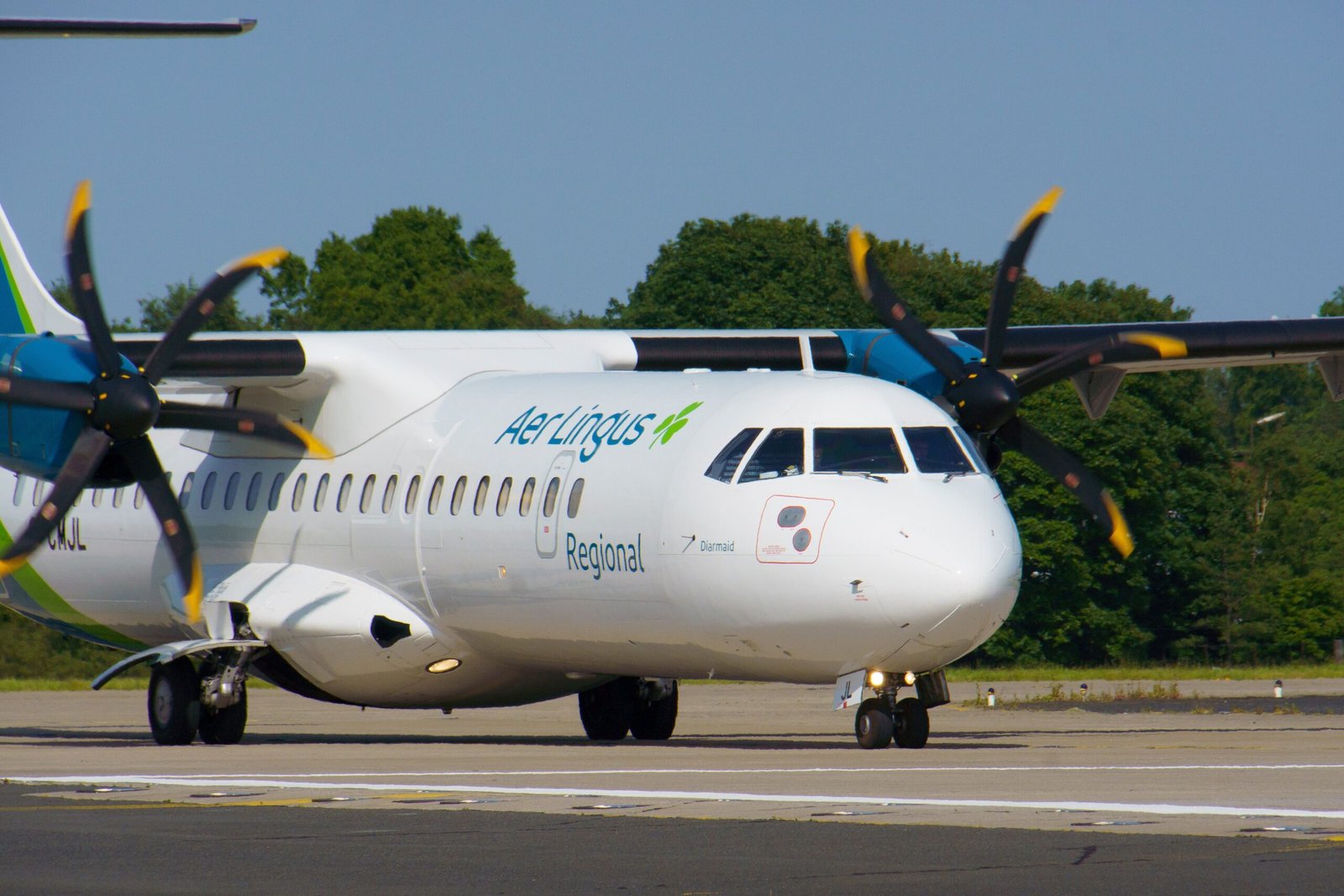
Mastering atr stable tours: The Definitive Guide to Safe and Efficient Regional Aviation Operations
Published
2 weeks agoon
July 8, 2026
Table of Contents
ToggleThe Definitive Guide to Safe and Efficient Regional Aviation Operations
In the demanding world of regional aviation, few concepts are as critical to flight safety as the “stabilized approach.” For operators of ATR aircraft—the world’s leading turboprop family—mastering this discipline is not just a procedural recommendation; it is the cornerstone of operational integrity. This article delves deep into the concept of “ATR stable tours,” a term that encapsulates the commitment to stability throughout the landing phase. We will explore the stringent criteria set by the manufacturer, the non-negotiable decision-making protocols required of flight crews, and the significant safety benefits that arise from unwavering adherence to these principles. By integrating official guidance and industry best practices, this guide serves as a comprehensive resource for pilots, operators, and aviation professionals dedicated to maintaining the highest standards of flight safety.
Understanding the Stabilization Criteria: The Foundation of a Safe Approach
The concept of a stabilized approach is precisely defined within the ATR community to ensure consistency and safety across all operations. The manufacturer’s Flight Crew Training Manual (FCTM) establishes clear parameters that must be met to consider an approach “stable.” These criteria are not arbitrary; they are engineered to place the aircraft in an optimal configuration and energy state for a safe landing.
An approach is deemed stabilized when it meets several key conditions. The aircraft must be on the correct lateral path, tracking the Localizer, Radial, or RNAV path. The landing configuration must be established, meaning the flaps and gear are set for landing. Furthermore, energy management is critical: the vertical path must be tracked, power settings must be consistent with the aircraft’s weight and wind conditions, and speed and pitch attitude must be appropriate for the phase of flight .
The timing of stabilization is equally crucial. ATR mandates that approaches must be stabilized by specific altitudes above the airport. In Instrument Meteorological Conditions (IMC), stabilization must be achieved by 1000 feet Above Airport Level (AAL). In Visual Meteorological Conditions (VMC), the threshold is 500 feet AAL. For circling approaches, this must be accomplished by 300 feet AAL . This altitude-based requirement ensures that crews have ample time to correct any deviations before they become critical.
While precision is the goal, the FCTM allows for small deviations from the target parameters, provided they are immediately identified and corrected. These tolerances include an altitude deviation of ±100 feet during initial approach, a lateral guidance deviation of one dot on the final approach segment, and a speed deviation of ±5 knots . This structure promotes a culture of excellence while acknowledging the realistic operational environment.
The Operational Procedure: Technique and Recommended Practices
Executing a stable approach on the ATR involves a specific technique designed to minimize landing distance variation and ensure a smooth transition from the approach to the landing rollout. The recommended procedure is detailed in the FCOM and is a standard that pilots are expected to follow meticulously.
The recommended technique involves maintaining the standard final approach slope of 3° and the calculated VAPP speed until the aircraft reaches 20 feet, as called out by the Pilot Monitoring (PM). At this point, the Pilot Flying (PF) reduces the power to flight idle and initiates the flare visually. This procedure is designed to provide ample time for flare control . It is important to note that during the flare, the airspeed will naturally decrease, leading to a touchdown speed that is typically 5 to 10 knots lower than the stabilized approach speed .
The Pilot Monitoring plays a vital role in ensuring stability. At critical points, the PM will call out “STABILIZED” or “UNSTABILIZED” as the aircraft passes key altitudes. If the approach is unstable at 1000 feet in IMC or 500 feet in VMC, the PM’s call is “1000 FT, GO AROUND” or “500 FT, GO AROUND,” prompting the PF to execute a go-around . This sterile cockpit discipline ensures that critical decisions are made using objective criteria, removing hesitation from the decision-making process.
Threat and Error Management: Reinforcing the Approach
Effective decision-making on approach is paramount to maintaining safety margins, especially during challenging operations. This is where Threat and Error Management (TEM) becomes a vital tool. TEM is not a separate procedure but an integrated mindset that begins well before the approach phase.
The briefing is the pilot’s first line of defense. It is the opportunity to identify and highlight key points that must be monitored during the approach. In the TEM framework, threats are defined as events or errors that occur beyond the influence of the flight crew but increase operational complexity. These can include challenging weather, complex airspace, or a runway change. Errors, on the other hand, are actions or inactions by the flight crew that lead to deviations from organizational or flight crew intentions .
To accommodate a challenging approach, ATR recommends a “reinforced briefing” that includes the identification and mitigation of specific threats identified for the approach. This process ensures that the crew is mentally prepared for potential challenges and has a shared mental model of how to address them. For visual approaches or VFR airfields without an instrument procedure, the FMS can be used to display a final approach axis, bringing great safety benefits by standardizing the trajectory and making deviations more apparent . This proactive approach to threat management is essential to ensure a stable approach persists all the way to touchdown.
Common Pitfalls and Preventative Measures
Despite the clear guidance, in-service feedback has highlighted several recurring issues that can lead to unstable approaches and, consequently, runway excursions or other serious events. Understanding these pitfalls is crucial for developing effective countermeasures.
One significant issue is an unstabilized approach. The ATR safety team frequently emphasizes that a stabilized approach must be maintained all the way to touchdown . Fluctuations in speed, often resulting in an approach speed that is too high (IAS above Vapp), are a significant contributor to abnormal runway contact events . Another critical area is the management of wind and the potential for bounce landings. A bounce landing typically results from too much speed or too high a slope on final approach. The FCTM prescribes a strict procedure: in case of a significant bounce, a go-around must be initiated immediately. Pilots are explicitly instructed never to try to land and never to push the control column forward .
Furthermore, the ATR community has noted the importance of standardizing approaches, even at VFR airports. At airports without ground-based navigation aids or published RNAV approaches, ATR recommends using the FMS to “build an approach” and assist with the visual approach. This practice ensures that even visual approaches are conducted on a standardized, predictable profile . This strategy reduces the risk of a “random trajectory,” which can significantly increase workload and destabilize the approach.
Conclusion
The ATR’s “stable tours” philosophy is more than a set of procedures; it is a comprehensive safety culture designed to mitigate the primary risks associated with regional aviation. By adhering to the strict stabilization criteria, employing standardized techniques, and utilizing robust Threat and Error Management, flight crews can significantly enhance the safety of every approach.
The message from the manufacturer and the industry is unequivocal: a stabilized approach must remain all the way to touchdown. Pilots must be prepared to execute a go-around if the approach becomes unstable, as attempting to salvage an unstable approach has proven to be a leading cause of incidents and accidents . The integration of modern avionics and Flight Data Monitoring (FDM) programs further strengthens this safety net, providing the data necessary to identify and correct procedural errors before they lead to serious events .
Ultimately, the commitment to a stable approach is a commitment to the safety of passengers and crew. It is a testament to the professionalism of the pilots and the reliability of the ATR aircraft. In the world of regional aviation, where operations often occur in challenging environments, the “stable tour” is the highest standard of excellence.
Frequently Asked Questions (FAQ)
What are the specific criteria for a stabilized approach on an ATR aircraft?
An ATR approach is considered stabilized when the aircraft is on the correct lateral path, in the landing configuration, and has proper energy management. This includes tracking the vertical path, using a power setting consistent with the weight and wind conditions, and maintaining a stable speed and pitch attitude. The approach must be stabilized by 1000 feet AAL in IMC or 500 feet AAL in VMC .
What is the recommended action if an approach is not stabilized?
If the approach is not stabilized at the designated altitude (1000 ft IMC or 500 ft VMC), the Pilot Monitoring will call “UNSTABILIZED, GO AROUND.” The correct action is to immediately execute a go-around. Attempting to land from an unstable approach is a primary cause of runway excursions and other serious incidents .
How does the ATR Flight Data Monitoring (FDM) program improve approach safety?
Flight Data Monitoring (FDM) is a key part of a safety management system. It allows operators to identify precursors to unstable approaches, such as excessive airspeed or high descent rates, by analyzing flight data. This enables operators to develop training and procedures to mitigate these issues before they result in an incident .
Is the stabilization procedure different for visual approaches compared to instrument approaches?
While the visual approach may be flown in Visual Meteorological Conditions (VMC), the principle of stabilization remains the same. ATR promotes standardizing visual approaches, often using the FMS to create a defined approach path. This avoids “random trajectories” which can lead to high workload and instability. The stabilization must be achieved by 500 feet AAL for VMC and followed all the way to touchdown .

Blackburn Rugby Club (Guide): History, Teams, Facilities, Membership, and Community Legacy

Matlock Rugby Club (Guide): History, Teams, Facilities, Membership, and Community Spirit

Morley RUFC (Guide): History, Teams, Facilities, Community, and Everything You Need to Know

Nerwey: Unlocking the Power of a Unique Digital Identity for Branding and SEO Success

EO PIS: Complete Guide to the Electronic Office Personnel Information System in 2026

Mercedes Spall: The Untold Story of Timothy Spall’s Daughter Who Chose Privacy Over Fame
Trending
Uncategorized4 weeks agoNerwey: Unlocking the Power of a Unique Digital Identity for Branding and SEO Success
Tech4 weeks agoEO PIS: Complete Guide to the Electronic Office Personnel Information System in 2026
Lifestyle3 weeks agoMercedes Spall: The Untold Story of Timothy Spall’s Daughter Who Chose Privacy Over Fame
Sports3 weeks agoMark Hines: The Multifaceted Journey of a Scientist, Athlete, and Thought Leader
Tech3 weeks agoThe Definitive Guide to Gráinne Hayes: Titles, Keywords, and a Comprehensive Article Framework
Movie3 weeks agoOtelia Cox: The Quiet Strength Behind Hollywood’s Tony Cox
Lifestyle3 weeks agoThe Enigma of Maudie Marian Baer: Uncovering the Life and Legacy of an Unsung Figure
Business3 weeks agoMary Birge: Uncovering the Stories Behind a Name That Spans Centuries and Professions