Connect with us

Lifestyle

Londra Leyton: The Ultimate Guide to London’s Hidden Gem for 2026

Published

on

londra leyton

Introduction

Nestled in the vibrant heart of East London, Leyton stands as one of the capital’s most captivating and rapidly evolving neighborhoods. Often overshadowed by its trendier neighbors like Hackney and Walthamstow, this charming district offers an authentic London experience that combines rich sporting heritage with a burgeoning food scene and excellent transport links . Whether you’re a football fanatic planning to catch a match at the famous Leyton Orient stadium, a food lover eager to explore the diverse culinary landscape, or a savvy property seeker looking for value in the competitive London market, Leyton presents a compelling case for your attention. Its proximity to the Queen Elizabeth Olympic Park and the creative hubs of East London makes it a strategic location for both living and visiting. As the area continues to undergo regeneration and attracts a diverse mix of residents and businesses, understanding the unique character and offerings of “Londra Leyton” becomes essential for anyone looking to experience the real, unfiltered London. This comprehensive guide will delve deep into the heart of Leyton, exploring its must-see attractions, the culinary gems that define its food scene, the best accommodation options, and the transport links that make it so well-connected .

The Heartbeat of Leyton: Leyton Orient Stadium

For many, the name Leyton is synonymous with football, and at the center of this sporting passion is the legendary Leyton Orient stadium. This historic ground is more than just a football pitch; it is a cornerstone of the local community and a symbol of the area’s enduring identity. The stadium is affectionately known by fans as “the Gaughan Group Stadium” for sponsorship reasons, but the spirit remains unchanged. Matchdays transform the neighborhood, creating an electric atmosphere that can be felt from miles away. The roar of the crowd, the sea of red and white, and the passionate chants make it a cultural experience that transcends the sport itself . Visiting the stadium offers a glimpse into the heart of English football culture, far removed from the glitz and glamour of the Premier League giants. It’s a place where the local community gathers to celebrate, commiserate, and cheer for their team, embodying the working-class roots and unpretentious charm that define the area. For anyone seeking to understand the soul of Leyton, a visit to the stadium on a matchday or even just a tour of its facilities is absolutely indispensable.

A Culinary Journey: Exploring the Diverse Food Scene

Beyond the sporting arena, Leyton boasts a surprisingly diverse and delicious food scene that reflects the multicultural tapestry of London. The area is a hidden treasure trove of authentic international cuisines, offering a dining experience that rivals many more famous London neighborhoods. One standout establishment that consistently receives rave reviews is Sahara Grill Leyton. This restaurant has become a local institution, celebrated for its mastery of grilled meats and vibrant Middle Eastern flavors. Patrons often recommend the Sahara Grilled Whole Chicken Platter, which is lauded for its delicious flavors and spices, perfectly complemented by a selection of flavorful sides and refreshing mocktails like the mojito and lychee cocktail. The secret to their success lies in the picante gravy and chicken stock that elevate the grilled chicken to new heights, ensuring that the dish remains succulent and packed with flavor . The overall dining experience at Sahara Grill is not just about the food; it’s about the lively atmosphere and the sense of community that surrounds it. This culinary gem is a testament to how Leyton has embraced global flavors, making it a must-visit destination for food lovers exploring East London.

Accommodation and Transport: The Gateway to London

When it comes to finding a place to stay, Leyton offers a unique proposition that combines comfort, convenience, and value, making it an ideal base for exploring the entirety of London. Many visitors have discovered that staying in Leyton provides a more relaxed and authentic experience compared to the crowded tourist hubs of Central London. The accommodation options range from modern apartments to cozy guesthouses, with many establishments receiving exceptional reviews for their personalized service and attention to detail. One recurring theme in visitor feedback is the warm hospitality and the feeling of being welcomed as part of the family rather than just a paying guest, a sentiment that is increasingly rare in the impersonal world of big hotel chains. Guests often highlight the flawless housekeeping, the stunning views of the London skyline that the area can offer, and the consistently excellent quality of the food provided, with some even praising the perfectly cooked poached eggs that exceed their high standards . This level of care and dedication ensures that visitors not only enjoy their stay but also develop a lasting connection to the neighborhood, often finding themselves returning time and again.

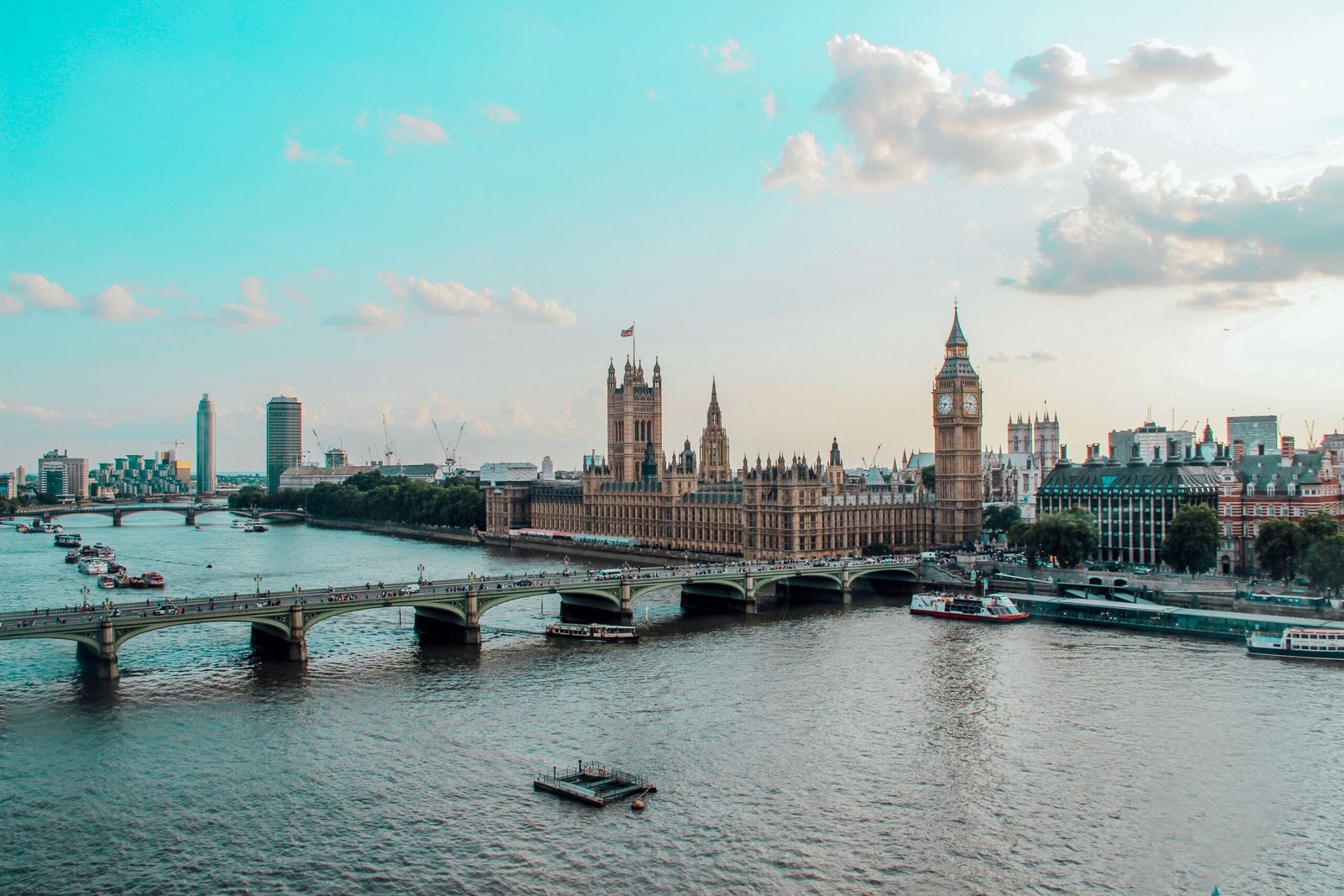
Furthermore, Leyton’s strategic location and outstanding transport links make it a highly accessible and practical choice. The area benefits from excellent connectivity via the London Underground, with Leyton station located on the Central Line. This direct link allows for swift and straightforward travel into the heart of London, with Oxford Circus and other major destinations being reachable in a relatively short time . The all-day bus tickets available also provide a handy and cost-effective way to explore the local area and beyond . This ease of access is a major advantage for visitors, allowing them to enjoy the vibrant and lively atmosphere of Leyton’s local scene while knowing that the iconic landmarks of London—such as Buckingham Palace, the Tower of London, the London Eye, and the historic Westminster Abbey—are all just a short journey away . This perfect balance between a peaceful, community-focused base and the dynamic energy of the city center makes Leyton a supremely attractive option for tourists and travelers.

Conclusion

In conclusion, londra leyton is far more than just a stop on the Central Line or a footnote in a football history book; it is a vibrant, multifaceted neighborhood that captures the true essence of contemporary London. From the passionate energy of the Leyton Orient stadium and the mouth-watering culinary delights of restaurants like Sahara Grill, to the comfortable accommodations and unbeatable transport connections, Leyton offers a well-rounded and deeply authentic experience. It stands as a testament to the evolution of East London, embracing regeneration while proudly retaining its distinct character and strong community spirit. For those seeking to look beyond the typical tourist trail and discover a corner of London that is rich in culture, history, and flavor, Leyton is a destination that promises to surprise and delight. Its growing popularity among visitors and new residents alike is a testament to its appeal as a place where the old and the new coexist harmoniously, creating a dynamic and welcoming environment that beckons exploration and ensures that visitors return time and time again. As the area continues to develop and draw in more attention, Leyton solidifies its status as a true hidden gem in the London landscape.

Frequently Asked Questions about Londra Leyton

Q: Where is Leyton located in London?
A: Leyton is a neighborhood situated in the East London borough of Waltham Forest. It is conveniently located near the Queen Elizabeth Olympic Park and offers excellent access to Central London via the London Underground .

Q: How can I get to Leyton?
A: The most efficient way to reach Leyton is via the London Underground, with Leyton station on the Central Line. This line provides direct connections to major London hubs, making the area easily accessible from anywhere in the city.

Q: Is Leyton a good place for tourists to stay?
A: Absolutely. Leyton offers a more authentic and relaxed London experience away from the hustle and bustle of the city center, with excellent transport links that make exploring all of London easy. Visitors frequently praise the hospitality and value found in local accommodations .

Q: What are the top attractions to see in Leyton?
A: While Leyton itself is primarily residential and community-focused, the major draw is the Leyton Orient Football Club stadium. The area is also celebrated for its diverse food scene, particularly restaurants like Sahara Grill, and its proximity to the green spaces and attractions of the Olympic Park.

Q: What is the vibe or atmosphere like in Leyton?
A: Leyton is known for its strong community spirit, authentic East London character, and vibrant cultural mix. It offers a lively yet friendly atmosphere, combining local traditions with a modern, diverse population.

Continue Reading
Click to comment

Leave a Reply

Your email address will not be published. Required fields are marked *

Lifestyle

Chris Sowers: The Trusted Meteorologist Bringing Weather Home to Philadelphia and Beyond

Published

on

Chris Sowers

Chris Sowers: The Trusted Meteorologist Bringing Weather Home to Philadelphia and Beyond

In the world of broadcast journalism, few personalities manage to bridge the gap between complex scientific data and everyday public understanding quite like meteorologist Chris Sowers. For millions of viewers across the Delaware Valley and, more recently, in South Florida, Sowers has become synonymous with trusted, accurate, and engaging weather forecasting. His journey from a South Jersey native with a passion for the sky to a respected figure on 6abc Action News is a testament to dedication, local pride, and a profound ability to communicate the power of nature. This article delves into the career, expertise, and personal story of Chris Sowers, exploring what makes him a standout figure in the competitive world of weather journalism.

The Journey of a Local Forecaster

Chris Sowers’ story is deeply rooted in his connection to his community, a factor that has significantly shaped his professional path and on-screen persona. A proud native of Glassboro, New Jersey, Sowers’ interest in meteorology was not just a career choice but a natural extension of his environment. He pursued this passion academically, graduating with a Meteorology degree from Kean University in Union, New Jersey. This strong educational foundation was further bolstered by earning his Seal of Approval from the National Weather Association (NWA) and obtaining numerous certificates for mesoscale circulation forecasting, showcasing his commitment to understanding the most intricate and severe weather patterns.

Sowers’ career in broadcasting is marked by a series of strategic moves that honed his skills and broadened his experience, yet it is also characterized by a magnetic pull back to his home base. He first joined 6abc in Philadelphia in October 2000 as a weather producer, learning the ropes behind the scenes. However, to pursue his on-air aspirations, he left in 2005 to take on the role of Chief Meteorologist for WNKY in Bowling Green, Kentucky. This was followed by a stint in the challenging “Windy City” of Chicago, where he served as the weekend meteorologist. While these positions were professionally rewarding and provided invaluable experience in diverse climates, the call of home was undeniable. In May 2011, Sowers returned to Philadelphia and 6abc as the weekend morning meteorologist, a position he would hold for over a decade, re-establishing himself as a beloved fixture in the community. This deep connection to the area, coupled with his extensive experience, allows him to provide forecasts with a unique level of insight and empathy for the local audience.

On-Air Presence and Professional Expertise

What sets Chris Sowers apart is not just his academic credentials, but his dynamic on-air ability to translate the complexities of weather into clear, understandable, and even captivating narratives. His enthusiasm for severe weather, particularly, is a hallmark of his reporting. He has a knack for explaining the phenomena that capture public attention, such as the appearance of shelf clouds. Sowers expertly broke down the science behind these “scary-looking clouds” during a morning thunderstorm, attributing their formation to the downdrafts from a squall line associated with a Mesoscale Convective System (MCS). This ability to demystify visually striking weather events helps educate the public and dispel common misconceptions, such as mistaking shelf clouds for tornadoes.

Sowers’ expertise is particularly valuable in his home region, where tornadoes are rare. He has applied his knowledge to dissect significant local events, such as the devastating EF-3 tornado that struck Mullica Hill, New Jersey, providing expert analysis on how it happened, its path, and the radar signatures associated with it. He contrasts the severe weather patterns of the East Coast with the ferocious storms he witnessed in the Midwest. Sowers has noted the intense, fast-moving storms with threats of tornadoes and straight-line winds that are a weekly occurrence in places like Kentucky and Chicago, acknowledging the significant learning curve required to forecast in such a volatile environment. His understanding of these different meteorological contexts enriches his forecasting for the Delaware Valley, ensuring he is prepared for both the common nor’easter and the rare, high-impact supercell.

Challenges and Passion Behind the Scenes

While the on-air delivery is polished, the reality of forecasting is fraught with challenges that Sowers does not shy away from discussing. He has candidly spoken about the hardest part of his job: getting a forecast wrong. This challenge is rooted in the inherent uncertainty of relying on computer models. Sowers explains that while these models are essential guidance, each one has specific biases and flaws. A forecaster must rely on their knowledge of local terrain, time of year, and the specific situations where certain models excel. Sometimes, despite every model pointing in one direction, the atmosphere behaves differently, or a model that has been “hot” recently completely fails to handle a specific type of weather event. This pressure is immense, and Sowers takes his accuracy very personally, stating, “If I blow a forecast, I can’t just forget about it. I have to know why I got it wrong. So I’ll go back and look at everything over and over and over again so I don’t make the same mistake twice”. This dedication to continuous improvement is a hallmark of his professionalism.

Beyond the professional dedication, Sowers is a person with a rich life outside the studio. He is an avid fitness enthusiast, competing in stair climbs and kayak marathons to raise money for local charities, and maintaining a rigorous workout routine that includes swimming miles a week and weightlifting. This drive for physical competition mirrors his intellectual rigor. Additionally, he is a devoted family man, which was the primary reason for his return to Philadelphia. As an identical twin with a younger brother, he values his time with them and his wider family, stating that he hangs out with them “just about every day now”. This personal narrative of homecoming and family adds a relatable dimension to his public persona, endearing him to viewers who share his love for the region.

Sowers’ Lasting Impact and Legacy

Chris Sowers stands as a paragon of modern broadcast meteorology—a figure who balances the hard science of atmospheric physics with the art of community engagement. His return to Philadelphia was not just a career move; it was a reaffirmation of his roots and a gift to the region that shaped him. His journey, marked by a willingness to learn from the destructive power of Midwest storms and a deep-seated love for his home, has created a forecaster of unique depth and empathy. As Sowers continues his career, now bringing his expertise to new audiences, his legacy as a trusted voice, a passionate educator, and a true son of South Jersey remains firmly established. His story reminds us that the most effective communicators are often those who understand the science with their minds and the community with their hearts.

Frequently Asked Questions (FAQ)

1. Who is Chris Sowers and where is he from?
Chris Sowers is a prominent broadcast meteorologist, best known for his long tenure at 6abc Action News in Philadelphia. He is a native of Glassboro, New Jersey, and a graduate of Kean University with a degree in Meteorology.

2. What makes Chris Sowers an expert in meteorology?
Sowers holds the Seal of Approval from the National Weather Association (NWA) and has numerous certificates for mesoscale circulation forecasting. He also has extensive experience forecasting in diverse climates, including the Midwest and the East Coast, providing him with a well-rounded expertise.

3. Why did Chris Sowers return to Philadelphia after working elsewhere?
A strong sense of family and community drew him back to the Philadelphia area. Despite enjoying his time in Kentucky and Chicago, he missed his family, including his identical twin brother and younger brother, and prioritized being close to them.

4. What are some of the challenges Chris Sowers faces as a meteorologist?
The most significant challenge is the pressure of getting a forecast wrong, often due to the inherent uncertainty in computer modeling. He takes mistakes personally, meticulously reviewing them to ensure accuracy in the future.

5. Has Chris Sowers changed stations recently?
Yes, after 18 years in Philadelphia, Chris Sowers joined WFLX in West Palm Beach, Florida, as a First Alert Meteorologist in October 2024.

Continue Reading

Lifestyle

The Ultimate Guide to the Best Cotswolds Hotels: Luxury, Boutique, and Countryside Stays

Published

on

cotswolds hotels

The Ultimate Guide to the Best Cotswolds Hotels: Luxury, Boutique, and Countryside Stays

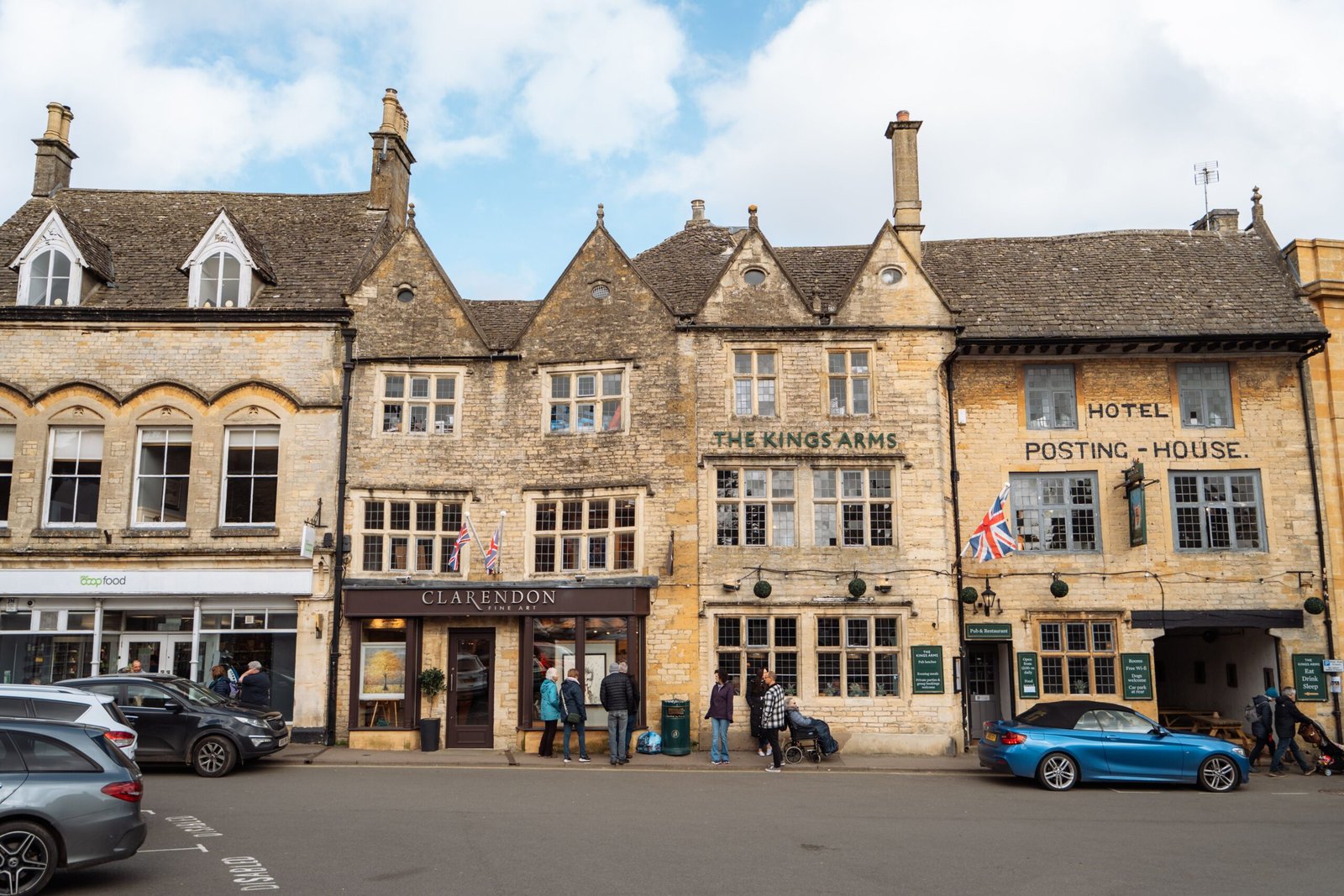
The cotswolds hotels, an Area of Outstanding Natural Beauty that spans almost 800 square miles across six counties, represents the very essence of the English countryside. Its honey-coloured stone cottages, rolling hills, and sleepy villages have long captured the imagination of visitors seeking a bucolic escape from the city. Spanning Gloucestershire, Oxfordshire, Wiltshire, Warwickshire, Worcestershire and north Somerset, this region is Britain at its most beautiful and charming, with tea rooms, antiques shops, historic market towns and some of the most spectacular landscapes the UK has to offer. The Cotswolds has become synonymous with a certain kind of refined country escape, drawing everyone from royalty and Hollywood stars to urbanites seeking a weekend of peace and pampering. Its appeal lies not just in its picture-perfect villages but in the exceptional quality of its accommodation, with a range of Cotswolds hotels that cater to every taste, whether you are looking for a historic coaching inn, a modern boutique hotel, or a sprawling country house estate.

When planning a visit to this idyllic region, the choice of where to stay is paramount, as it can shape the entire experience. The area is home to some of the best boutique hotels in the country, many of which are set within historic manors and houses that have been thoughtfully restored and reimagined for the modern traveller. The hospitality scene here is remarkably diverse, ranging from authentic country pubs with rooms that offer a taste of local life to world-class luxury retreats with Michelin-starred restaurants and award-winning spas. Recent years have also seen a wave of exciting new openings and refurbishments, with the trend towards stylish, design-led properties that inject a sense of modern whimsy and retro cool into the traditional country house setting. This guide will navigate you through the very best of what the Cotswolds has to offer, helping you choose the perfect base for your English countryside adventure.

Selecting Your Perfect Cotswolds Retreat

The choice of accommodation in the Cotswolds is vast, and understanding the different types of stay available is the first step in planning your perfect trip. The region is renowned for its incredible variety, ensuring that every visitor can find a place that feels just right for them. The decision often comes down to the kind of experience you are seeking, whether it’s the unpretentious charm of a historic inn, the elegance of a country house, or the hyper-local, design-focused ethos of a boutique hotel.

For those who yearn for the quintessential English pub experience, the Cotswolds delivers in spades with its many inns and “restaurants with rooms”. These establishments, such as The Bull in Charlbury, a historic pub that has stood since the 1500s with its timbered ceilings and roaring fireplaces, offer an authentic taste of local life, serving high-end pub food championing local produce in cosy dining rooms or by the fire. Similarly, The Lion Inn in Winchcombe offers a heritage spanning half a millennia, with locally sourced, seasonal menus that can be enjoyed in its restaurant, bar, or beautiful lavender-scented garden. These inns often boast a welcoming, convivial atmosphere where you can mingle with locals and fellow travellers alike, making them ideal for those who want to be at the heart of the community.

At the other end of the spectrum, the Cotswolds is famous for its magnificent country house hotels. These grand properties, often set within acres of parkland, offer a more formal and luxurious experience steeped in history. Examples include the magnificent Ellenborough Park, which sits on 90 acres of parkland next to Cheltenham Racecourse with a 15th-century manor house at its heart. Guests can borrow Dubarry boots and waxed jackets to explore the estate’s trails before relaxing in the heated outdoor pool. The Lygon Arms in Broadway, a historic coaching inn that has offered shelter to royalty and Hollywood stars alike, is another prime example, combining creaky lounges with log fires, a spa, and a grand vaulted restaurant. For many, this type of hotel represents the ultimate Cotswolds escape, offering a chance to immerse oneself in history and grandeur without sacrificing modern comforts.

In recent years, the boutique hotel scene in the Cotswolds has flourished, offering an intimate and stylish alternative to larger establishments. These hotels, often defined by their unique character and smaller scale, focus on providing a personalised experience with a keen eye for design. Properties like The Pig in the Cotswolds, a 17th-century manor house that radiates homely comfort, exemplify this trend with its simple elegance, floral-themed decor, and hyper-local “25 Mile Menu” that sources all ingredients from within the region. Artist Residence Oxfordshire provides a different take, mixing contemporary art and pop-art prints with 16th-century farmhouse features like beamed ceilings, creating an eccentric and visually exciting stay. These hotels prioritise personality and a sense of place, often featuring one-of-a-kind rooms and thoughtful touches that make guests feel like they have discovered something special.

The Best Cotswolds Hotels for Every Traveller

With such a wealth of options, selecting the ideal Cotswolds hotel can feel overwhelming. The best choice often depends on your specific needs, whether you are planning a romantic getaway, a family holiday, a culinary tour, or a spa retreat. To help you decide, here is a curated selection of the region’s finest hotels, categorised by the experience they offer, drawing on recommendations from leading travel experts and publications.

For the Luxury and Spa Seeker

For those who equate a holiday with ultimate relaxation and pampering, the Cotswolds offers some of the finest spa hotels in the country. Whatley Manor in Wiltshire is a pinnacle of this experience, a luxurious country-house hotel near Malmesbury with a Michelin-starred restaurant and the superlative Aquarias Spa. Here, guests can enjoy treatments, relax on sunloungers beside an outdoor pool, or retreat to heated stone recliners. The hotel’s commitment to sustainability and local produce is evident in its zero-waste ethos and inventive tasting menus, making it a haven for both wellness and epicurean enthusiasts. Another standout is Dormy House Hotel, situated just outside Broadway, which feels more like a grand Cotswolds manor. Its appeal lies in its cosy corners, elegant spaces, and a world-class Scandi-style spa featuring outdoor heated areas and an al fresco whirlpool. The spa at Dormy House is a major draw, offering a complete wellness experience with facilities like a float tank and head spa.

For a more modern and design-focused luxury, Cowley Manor Experimental offers a bold take on the traditional country house. With Parisian-style interiors housed in a 17th-century mansion, a high-concept C-Side spa with a modernist swimming pool overlooking the woodlands, and a creative approach to dining, it blends old-world charm with modern innovation. The spa’s floor-to-ceiling windows and natural materials create a serene and stylish environment, while the hotel’s playful, artistic interiors attract a buzzy, fashionable crowd. For a truly intimate and exclusive experience, Foxhill Manor on a 500-acre estate in Worcestershire offers laid-back luxury with only eight rooms. There are no set meal times or formal dining, allowing guests to discuss preferences with the chef and eat when and where they fancy, perhaps in an armchair by the fire or in a window seat overlooking the grounds. The vibe is ‘make yourself at home’, with staff attending to every whim with friendly informality, and the package often includes free-flowing Champagne and access to the spa at sister hotel Dormy House.

For the Gastronome and Epicurean

The Cotswolds has become a culinary destination, with a remarkable number of hotels that are as famous for their food as their accommodation. The Pig in the Cotswolds, near Cirencester, is a must-visit for food lovers. Its restaurant’s 25 Mile Menu is a celebration of local produce, with dishes featuring fresh herbs, beetroots from the kitchen garden, and Cotswold lamb. The rustic dining room and arts and crafts-style garden, once owned by horticulturalist Rosemary Verey, provide a beautiful setting for a meal that is both imaginative and deeply connected to the region. For a truly iconic dining experience, Le Manoir aux Quat’Saisons in Great Milton is the ultimate gastronomic treat. Chef Raymond Blanc’s temple to garden-to-table eating boasts two Michelin stars and showcases freshly picked ingredients from its extensive kitchen gardens. Each of the bedrooms is uniquely designed, and the grounds, featuring Japanese ponds and apple orchards, are a delight to explore, making for an unforgettable and luxurious country escape.

For those who prefer the pub setting, the Double Red Duke in Clanfield is a brilliant choice. With a warren of low-ceilinged snugs, log fires, and an open kitchen where chefs fire up impressive cuts of meat, it offers a sense of fun and exceptional cooking. The 19 stylish bedrooms, decorated with vintage furniture and patterned wallpaper, provide a comfortable base for exploring the local culinary scene. The Bull in Burford, owned by PR supremo Matthew Freud, is another gastronomic hotspot with a buzzing atmosphere, featuring a Japanese omakase restaurant called Hiro that draws foodies from far and wide. In Northleach, the ivy-covered Wheatsheaf Inn is also gaining renown for its clubby dining room, serving tasty takes on old pub favourites and its 14 modern guest rooms with luxe touches like roll-top baths. These venues demonstrate that the Cotswolds is a place where “gastro” and “pub” are no longer separate concepts but part of a rich, modern, and unpretentious dining culture.

For the Family and Pet-Friendly Traveller

A Cotswolds getaway need not be the preserve of couples; many hotels welcome families with open arms, providing facilities and activities designed to keep all ages entertained. Woolley Grange in Wiltshire is a standout choice for families, a 17th-century Jacobean manor set within 14 acres of extensive gardens. The hotel offers a range of wholesome activities for children, including picking fruit in the garden, collecting eggs from the chickens, and enjoying children’s afternoon teas, all within a safe and nurturing environment. There are also special suites for glamping in the grounds, adding an extra layer of fun to a family stay. Buckland Manor, set in 10 acres of land near the village church, is another great choice for families, offering tennis, boules, and croquet in the grounds, as well as the option to order picnic hampers for countryside adventures. The hotel’s proximity to attractions like Birdland, home to 130 species, makes it an ideal base for a family day out.

Travelling with a dog is also becoming increasingly hassle-free in the Cotswolds, as many hotels have embraced the pet-friendly ethos. The Lygon Arms in Broadway is exceptionally dog-friendly, with a wash station in the courtyard, treats for pets on arrival, and even suggested local routes for walkies. This historic coaching inn, with its creaky lounges and open fires, offers a warm welcome to both two and four-legged guests. For a more rural experience, The Fish Hotel, part of the Farncombe Estate, offers dog-friendly treehouses and on-site trails that kids and pets will love. The Frogmill, a classic 16th-century Cotswolds pub near Cheltenham, also welcomes dogs and offers a fire-pit in the garden, making it a cosy spot after a long walk with your canine companion. This growing trend ensures that no one in the family has to be left behind.

For the Stylish Boutique Experience

For travellers who prioritise unique design, personality, and an intimate atmosphere, the Cotswolds’ boutique hotels are an unparalleled choice. Thyme in Gloucestershire is the epitome of this, a collection of 17th-century honey-coloured cottages on the sprawling Southrop Manor estate. Everything here exudes charm and sustainability, from the wood-burning stoves, beamed ceilings, and roll-top baths to the on-site cookery school and superb Meadow Spa. The hotel feels like a love letter to the English countryside, a village within a village where guests can reconnect with nature and enjoy the finest in rural design and hospitality. The newly reimagined Estelle Manor has also brought a distinctly glamorous and contemporary sensibility to the scene. A sister property to an exclusive Mayfair club, this neo-Jacobean mansion has 108 guest rooms and cottages, four restaurants, and the opulent Roman-inspired Eynsham Baths spa. Its design is ornate and opulent with country club vibes, attracting a glossy, well-heeled clientele.

For a more whimsical and artistic stay, Cowley Manor Experimental continues to impress with its bold interiors, curated art, and playful references to Alice in Wonderland, as Lewis Carroll is said to have found inspiration while strolling its grounds. The hotel’s 36 distinct bedrooms, ranging from a three-floor ‘treehouse’ to a suite with a private terrace, are a testament to its commitment to distinctive design. For a smaller and more intimate artistic retreat, Artist Residence Oxfordshire in South Leigh offers a 16th-century farmhouse that combines William Morris wallpaper and mismatched furnishings with contemporary pop-art prints and neon signs. Each of its nine rooms is unique, and the property retains its original pub, creating a relaxed and eccentric atmosphere that is perfect for those seeking something out of the ordinary. These boutique stays demonstrate that the Cotswolds is not just about tradition but also about being at the forefront of modern, design-led travel.

Conclusion

The cotswolds hotels remains one of England’s most treasured destinations, and its hotels are an integral part of its enduring appeal. From the simple charm of a historic pub with rooms to the opulent grandeur of a country house estate, the accommodation options are as diverse and beautiful as the landscape itself. The region’s ability to blend centuries of history with modern, design-forward hospitality ensures that it can cater to every type of traveller, whether they are seeking a romantic spa break, a gourmet culinary adventure, a family-friendly holiday, or simply a quiet retreat from the everyday. The hotels of the Cotswolds are not just places to sleep; they are destinations in their own right, each offering a unique perspective on this iconic corner of England.

Ultimately, the perfect Cotswolds hotel is the one that aligns with your personal vision of the perfect escape. Whether you choose to stay in a boutique hotel in bustling Stow-on-the-Wold, a luxury retreat in the heart of Broadway, or a country pub in a quiet village, you are guaranteed to be surrounded by the region’s signature beauty and warmth. As you plan your journey, consider the experience you most desire, and you will find a hotel that not only meets but exceeds your expectations, creating a truly unforgettable stay in England’s enchanting countryside.

Frequently Asked Questions (FAQ)

What are the top areas to stay in the Cotswolds for first-time visitors?

For first-time visitors, Broadway is an excellent choice, known as the “Jewel of the Cotswolds” with its grand High Street, excellent shops, and restaurants, as well as easy access to countryside views and walking trails. Stow-on-the-Wold is another fantastic base due to its central location, making it easy to explore nearby villages like Bourton-on-the-Water, The Slaughters, and Chipping Campden within a short drive. It’s a historic market town with a lively square, antique shops, and traditional pubs, offering a classic Cotswolds experience without being too remote.

Which Cotswolds hotels are best for a romantic getaway?

For a romantic escape, Bibury offers a classic choice with its riverside views, ivy-draped cottages, and timeless inns, such as the Swan Hotel. Broadway is also a top pick, with manor houses and hotels like Buckland Manor and The Lygon Arms offering spas and fine dining in a beautiful setting. For ultimate seclusion and luxury, Foxhill Manor provides an intimate and exclusive experience with its eight rooms and laid-back, personalised service.

Are there good luxury spa hotels in the Cotswolds?

Yes, the Cotswolds is home to some of the UK’s finest spa hotels. Whatley Manor is a top choice, featuring the award-winning Aquarias Spa with an outdoor pool and heated stone recliners, alongside a Michelin-starred restaurant. Dormy House Hotel also offers a world-class Scandi-style spa with an outdoor heated whirlpool, float tank, and head spa, set near the village of Broadway. For a more modern spa experience, Cowley Manor Experimental’s C-Side spa is a high-concept retreat with a modernist pool and views of the surrounding woodlands.

Can you recommend family-friendly hotels in the Cotswolds?

Woolley Grange in Wiltshire is an outstanding family-friendly option, set in a 17th-century Jacobean manor with extensive gardens and activities for children, including fruit picking, collecting eggs, and a kids’ club. Calcot Manor, near Tetbury, is also highly recommended for families, with its extensive grounds, spa, and welcoming atmosphere that ensures both parents and children have a wonderful time. Buckland Manor is another great choice, offering tennis, croquet, and picnic hampers for family outings.

Which Cotswolds hotels are considered the most dog-friendly?

The Lygon Arms in Broadway is exceptionally dog-friendly, with a wash station in the courtyard, treats for pets, and suggested local walking routes. The Fish Hotel, part of the Farncombe Estate, is also a top pick, offering dog-friendly rooms, including treehouses, and on-site trails for exploring with your pet. The Frogmill, a classic pub near Cheltenham, welcomes dogs and has a fire-pit in the garden, perfect for relaxing after a walk.

Continue Reading

Lifestyle

The Definitive Guide to Dining Soho: London’s Most Electric Culinary Neighbourhood

Published

on

dining soho

The Definitive Guide to Dining in Soho: London’s Most Electric Culinary Neighbourhood

dining soho is a compact square mile in the heart of London’s West End, yet its culinary influence resonates far beyond its boundaries. This historic neighbourhood, once a royal hunting ground and later a bohemian enclave, has evolved into the city’s most vibrant and diverse dining destination. As the MICHELIN Guide notes, Soho has always been Mayfair’s “cooler, scruffier little sibling,” a place defined by its eclectic history of artists, musicians, and an unapologetically independent spirit . Today, that spirit is best experienced through its food. From hidden speakeasies and late-night jazz bars to two-Michelin-starred omakase counters and bustling Thai barbecue joints, Soho offers a dining scene that is as historic as it is innovative. This guide is your definitive resource for navigating this culinary labyrinth, exploring why Soho remains the heart and soul of London’s food culture.

The Historical Legacy of Soho’s Food Scene

To understand dining in Soho today, one must appreciate its rich, layered history. The district has long served as a sanctuary for immigrants, each wave bringing their traditional recipes to the heart of the city and adding a new layer to its gastronomic identity . This tradition of hospitality runs deep. Institutions like Bar Italia, a Frith Street café run by the Polledri family since 1949, remain neighbourhood social magnets, serving coffee to everyone from David Bowie to locals who have been coming for decades . Similarly, The French House, where Charles de Gaulle famously wrote his WWII speech, continues to operate with its strict rule of serving beer only by the half-pint, a practice that underscores the pub’s unique place in the community . These establishments are not just places to eat and drink; they are living repositories of Soho’s soul, offering a tangible connection to a past filled with gangsters, artists, and revolutionaries. This history is “written in its menus,” and understanding it makes every meal in Soho feel like a part of a larger, continuing story .

The area’s pub culture, in particular, is pivotal to its identity. While the modern dining scene is dominated by Michelin stars and trendy pop-ups, the pub remains a great leveller. As Oisín Rogers, landlord of the legendary Devonshire, puts it, “Whoever you are, once you stand at the bar and you order a pint, there’s a wonderful levelling. That’s the difference between a pub and a restaurant for me” . These pubs are often the gateways to more exclusive dining experiences; behind the unassuming facade of The Blue Posts on Rupert Street lies Evelyn’s Table, a Michelin-starred chef’s counter that feels like a hidden secret . This seamless blend of the old and the new, the grungy pub and the fine-dining basement, is what makes Soho’s culinary landscape so uniquely compelling.

Michelin-Starred Excellence and Fine Dining

Despite its bohemian reputation, Soho boasts an impressive collection of Michelin-starred restaurants that rival any other London district. These establishments showcase a remarkable diversity of cuisines, proving that creativity and technical precision can thrive alongside the area’s casual, late-night vibe . At the pinnacle is Humble Chicken on Frith Street, which has rapidly ascended to become Soho’s most decorated restaurant with two Michelin stars . Chef Angelo Sato operates a thirteen-seat omakase counter, offering an intensely focused dining experience rooted in Japanese technique, where guests watch every dish being prepared in real-time . It represents a far cry from its yakitori-inspired beginnings, cementing its status as a destination for the most serious of gourmands.

Beyond Humble Chicken, the neighbourhood hosts a constellation of stellar, star-awarded kitchens. Mountain on Beak Street, helmed by Tomos Parry, earned its first star in 2024 with its wood-fired cooking inspired by traditional Spanish cuisine . Dishes like the scarlet prawns and whole lobster caldereta have quickly achieved cult status, designed to be enjoyed collectively in a lively, buzzing atmosphere . For something different, Sola on Dean Street is the only Michelin-starred restaurant in London serving Californian cuisine, bringing the bright, fresh flavours of the West Coast to the heart of Soho . Chef-patron Victor Garvey’s tasting menu features standouts like a signature devilled egg and vodka-cured salmon, all paired with a wine list focused on the US and Europe . These restaurants illustrate the remarkable breadth of high-end dining available, each proving that formal recognition can coexist with Soho’s inherent originality and charm.

An International Culinary Tour of Soho’s Streets

The true strength of dining in Soho lies in its extraordinary variety of international cuisines, often found on the same street or within the same courtyard. For lovers of Asian cuisine, the options are overwhelming. Kiln on Brewer Street is a local and critical favourite for its intense, open-fire Northern Thai cooking served in a narrow, intimate space where the kitchen is the centrepiece . Meanwhile, the tiny Bao on Lexington Street remains an enduring phenomenon, introducing London to the joy of pillowy Taiwanese steamed buns stuffed with braised pork . For those seeking high-end Japanese, Koya on Frith Street offers a soulful bowl of udon, while the buzzy Inko Nito provides crowd-pleasing robata grill plates and sushi at accessible prices .

European influences are equally well-represented. Bocca di Lupo has been a Soho institution since 2008, celebrated for its regionally authentic Italian cuisine that takes diners on a tour from Sicily to Piedmont . It is widely considered one of the finest Italian restaurants in the UK . If a taste of Spain is desired, the Michelin-starred Barrafina on Dean Street is a firm favourite for its moreish tapas, though be prepared to queue for a seat at the counter . The influence of the Middle East is also strong, with venues like Berenjak drawing crowds for its Persian small plates and pebble-baked flatbreads, and The Palomar offering vibrant, modern Jerusalem cuisine . This incredible diversity ensures that in Soho, a group with varied tastes will always find common ground, making it ideal for everything from intimate dates to lively celebrations .

Hidden Gems and Local Favourites

Beyond the famous names and Michelin stars, Soho’s true character is found in its hidden gems and local favourites, often tucked away on side streets and in basements. For an authentic taste of Sri Lankan home cooking, Kolamba is a standout, serving fiery curries, sambols, and rotis in a small and intimate setting . The flavours are big and powerful, making it a memorable experience for those who find it. Another beloved spot is Rita’s, a laidback restaurant where American Modern dining meets seasonal British produce, complemented by a drinks programme focused on low-intervention wines . For a taste of the Philippines, the newly opened Donia in Kingly Court has quickly become a favourite for its contemporary take on traditional Filipino sharing plates and clever cocktails .

The courtyards and side streets are where many of these discoveries are made. Kingly Court, off Carnaby Street, is a hive of dining activity housing several excellent spots, including Donia and ALTA, a Basque restaurant celebrated for its technical live-fire cooking . For a truly special experience, seek out Aulis London, tucked down a narrow alleyway off Wardour Street, where Chef Simon Rogan offers a rare opportunity to taste his famed fork-to-table British cuisine through a lengthy chef’s table tasting menu . With only eight seats, it is an intimate and interactive culinary journey. These establishments prove that some of Soho’s best dining experiences are found where you least expect them, rewarding those willing to explore beyond the main thoroughfares .

Conclusion: The Unrivalled Heart of London’s Dining

Dining Soho is more than just a meal; it is an immersion into the very soul of London’s cultural and culinary identity. The neighbourhood’s compact streets are a testament to its enduring spirit, offering a dynamic and ever-evolving tapestry of flavours that ranges from historic pubs to the pinnacle of Michelin-starred gastronomy. The energy is palpable, from the morning rush for a bacon naan roll at Dishoom to the late-night queue for a table at a hidden speakeasy . It is a place where the city’s vibrant nightlife and world-class theatre district converge with a food scene that is unparalleled in its variety and quality . Whether you are a visitor seeking the best of London or a local in search of a new discovery, Soho’s electric streets promise a dining adventure as rich and diverse as the city itself. The best advice is simply to explore, to get lost in the side streets, and to taste the history and creativity that define this unrivalled neighbourhood .

Frequently Asked Questions (FAQ)

What are some of the best fine dining and Michelin-starred restaurants in Soho?

Soho boasts an impressive collection of Michelin-starred restaurants. Humble Chicken is Soho’s most decorated restaurant with two Michelin stars, operating a highly intimate omakase counter Mountain is another standout, earning its first Michelin star for its exceptional wood-fired cooking . For a unique experience, Sola offers a taste of California with its Michelin-starred West Coast cuisine, while the basement Evelyn’s Table provides a sought-after chef’s counter experience .

Where can I find a great variety of international food in Soho?

Soho is renowned for its extraordinary range of international cuisines. You can find authentic Northern Thai barbecue at Kiln , acclaimed regional Italian dishes at Bocca di Lupo , and some of the best tapas in London at Barrafina . For Persian small plates, Berenjak is a top choice, and for Sri Lankan curries, Kolamba offers an intimate home-style dining experience . The diversity is such that there is something for every palate.

Which restaurants in Soho are good for groups?

Many Soho restaurants are well-suited for groups due to the neighbourhood’s social dining culture. Venues often offer dedicated group menus, private dining rooms, or flexible seating Hoppers Soho is a great spot for Sri Lankan small plates which are perfect for sharing, while Temper offers wood-fired meats in a lively, industrial-chic space . It is always advisable to book ahead for larger groups, especially on weekends .

Are there any historic or iconic places to eat in Soho?

Yes, Soho is home to several historic and iconic dining establishments. Bar Italia on Frith Street is a legendary café that has been serving the community since 1949 The French House is another historic pub known for its connection to Charles de Gaulle, where beer is strictly served by the half pint, and its upstairs dining room is one of London’s hardest tables to book . For a classic Soho vibe, The Ivy Soho Brasserie also offers a modern twist on British classics in an upmarket setting .

What is the atmosphere like when dining in Soho?

The atmosphere in Soho is electric and varied, shifting from the creative bustle of the afternoon to a vibrant, high-energy nightlife . You can find everything from casual and lively canteens to intimate, romantic basements and buzzing pub dining rooms. The neighbourhood is known for its noise, colour, and conversation, with an unpretentious attitude that makes fine dining feel approachable and street food feel like a gourmet experience . It’s a place where people come to have a good time, and that tangible sense of expectation is part of its charm .

Continue Reading

Trending