
Lifestyle
The Definitive Guide to Dining Soho: London’s Most Electric Culinary Neighbourhood

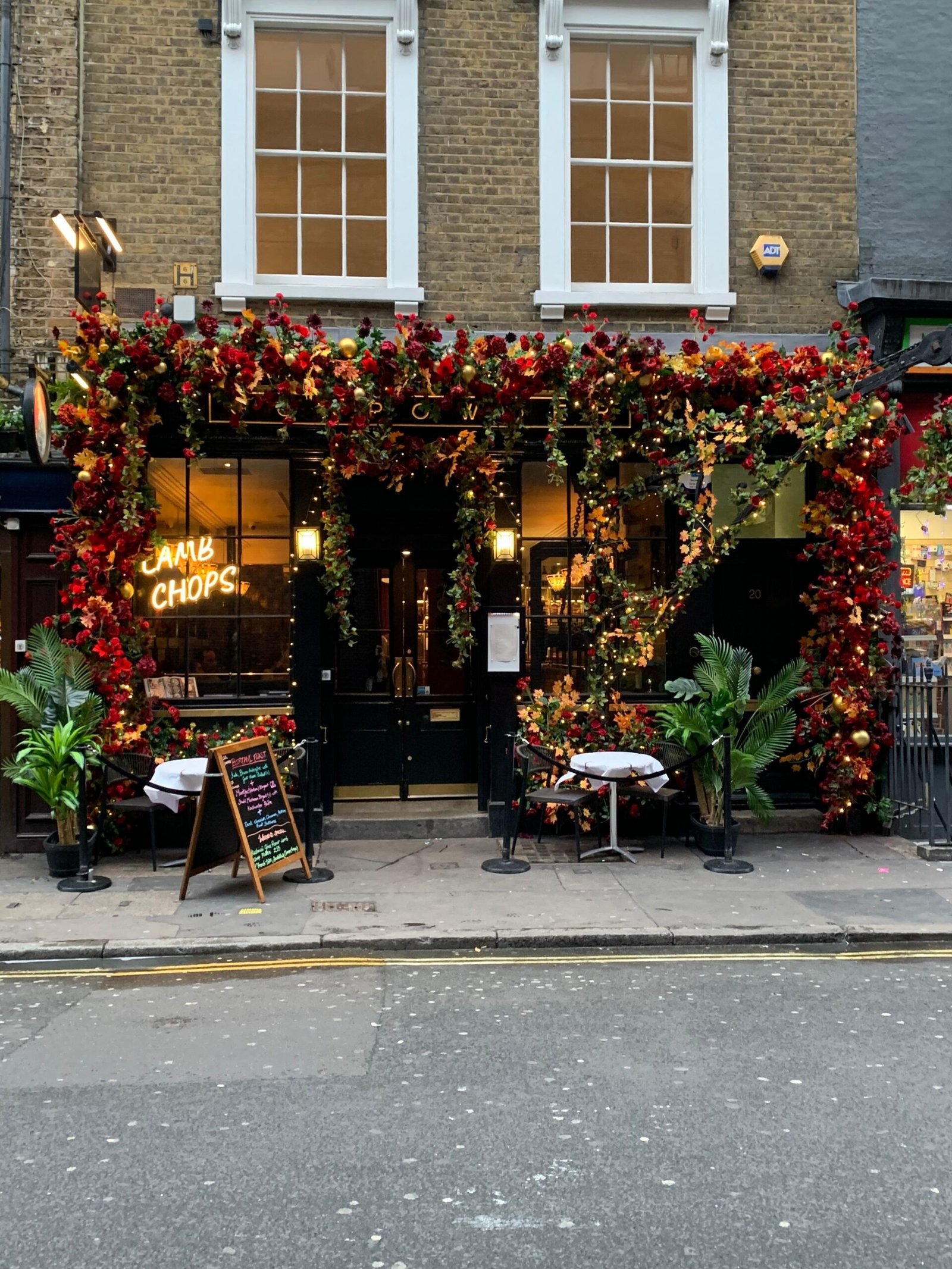
The Definitive Guide to Dining in Soho: London’s Most Electric Culinary Neighbourhood
dining soho is a compact square mile in the heart of London’s West End, yet its culinary influence resonates far beyond its boundaries. This historic neighbourhood, once a royal hunting ground and later a bohemian enclave, has evolved into the city’s most vibrant and diverse dining destination. As the MICHELIN Guide notes, Soho has always been Mayfair’s “cooler, scruffier little sibling,” a place defined by its eclectic history of artists, musicians, and an unapologetically independent spirit . Today, that spirit is best experienced through its food. From hidden speakeasies and late-night jazz bars to two-Michelin-starred omakase counters and bustling Thai barbecue joints, Soho offers a dining scene that is as historic as it is innovative. This guide is your definitive resource for navigating this culinary labyrinth, exploring why Soho remains the heart and soul of London’s food culture.
The Historical Legacy of Soho’s Food Scene
To understand dining in Soho today, one must appreciate its rich, layered history. The district has long served as a sanctuary for immigrants, each wave bringing their traditional recipes to the heart of the city and adding a new layer to its gastronomic identity . This tradition of hospitality runs deep. Institutions like Bar Italia, a Frith Street café run by the Polledri family since 1949, remain neighbourhood social magnets, serving coffee to everyone from David Bowie to locals who have been coming for decades . Similarly, The French House, where Charles de Gaulle famously wrote his WWII speech, continues to operate with its strict rule of serving beer only by the half-pint, a practice that underscores the pub’s unique place in the community . These establishments are not just places to eat and drink; they are living repositories of Soho’s soul, offering a tangible connection to a past filled with gangsters, artists, and revolutionaries. This history is “written in its menus,” and understanding it makes every meal in Soho feel like a part of a larger, continuing story .
The area’s pub culture, in particular, is pivotal to its identity. While the modern dining scene is dominated by Michelin stars and trendy pop-ups, the pub remains a great leveller. As Oisín Rogers, landlord of the legendary Devonshire, puts it, “Whoever you are, once you stand at the bar and you order a pint, there’s a wonderful levelling. That’s the difference between a pub and a restaurant for me” . These pubs are often the gateways to more exclusive dining experiences; behind the unassuming facade of The Blue Posts on Rupert Street lies Evelyn’s Table, a Michelin-starred chef’s counter that feels like a hidden secret . This seamless blend of the old and the new, the grungy pub and the fine-dining basement, is what makes Soho’s culinary landscape so uniquely compelling.
Michelin-Starred Excellence and Fine Dining
Despite its bohemian reputation, Soho boasts an impressive collection of Michelin-starred restaurants that rival any other London district. These establishments showcase a remarkable diversity of cuisines, proving that creativity and technical precision can thrive alongside the area’s casual, late-night vibe . At the pinnacle is Humble Chicken on Frith Street, which has rapidly ascended to become Soho’s most decorated restaurant with two Michelin stars . Chef Angelo Sato operates a thirteen-seat omakase counter, offering an intensely focused dining experience rooted in Japanese technique, where guests watch every dish being prepared in real-time . It represents a far cry from its yakitori-inspired beginnings, cementing its status as a destination for the most serious of gourmands.
Beyond Humble Chicken, the neighbourhood hosts a constellation of stellar, star-awarded kitchens. Mountain on Beak Street, helmed by Tomos Parry, earned its first star in 2024 with its wood-fired cooking inspired by traditional Spanish cuisine . Dishes like the scarlet prawns and whole lobster caldereta have quickly achieved cult status, designed to be enjoyed collectively in a lively, buzzing atmosphere . For something different, Sola on Dean Street is the only Michelin-starred restaurant in London serving Californian cuisine, bringing the bright, fresh flavours of the West Coast to the heart of Soho . Chef-patron Victor Garvey’s tasting menu features standouts like a signature devilled egg and vodka-cured salmon, all paired with a wine list focused on the US and Europe . These restaurants illustrate the remarkable breadth of high-end dining available, each proving that formal recognition can coexist with Soho’s inherent originality and charm.
An International Culinary Tour of Soho’s Streets
The true strength of dining in Soho lies in its extraordinary variety of international cuisines, often found on the same street or within the same courtyard. For lovers of Asian cuisine, the options are overwhelming. Kiln on Brewer Street is a local and critical favourite for its intense, open-fire Northern Thai cooking served in a narrow, intimate space where the kitchen is the centrepiece . Meanwhile, the tiny Bao on Lexington Street remains an enduring phenomenon, introducing London to the joy of pillowy Taiwanese steamed buns stuffed with braised pork . For those seeking high-end Japanese, Koya on Frith Street offers a soulful bowl of udon, while the buzzy Inko Nito provides crowd-pleasing robata grill plates and sushi at accessible prices .
European influences are equally well-represented. Bocca di Lupo has been a Soho institution since 2008, celebrated for its regionally authentic Italian cuisine that takes diners on a tour from Sicily to Piedmont . It is widely considered one of the finest Italian restaurants in the UK . If a taste of Spain is desired, the Michelin-starred Barrafina on Dean Street is a firm favourite for its moreish tapas, though be prepared to queue for a seat at the counter . The influence of the Middle East is also strong, with venues like Berenjak drawing crowds for its Persian small plates and pebble-baked flatbreads, and The Palomar offering vibrant, modern Jerusalem cuisine . This incredible diversity ensures that in Soho, a group with varied tastes will always find common ground, making it ideal for everything from intimate dates to lively celebrations .
Hidden Gems and Local Favourites
Beyond the famous names and Michelin stars, Soho’s true character is found in its hidden gems and local favourites, often tucked away on side streets and in basements. For an authentic taste of Sri Lankan home cooking, Kolamba is a standout, serving fiery curries, sambols, and rotis in a small and intimate setting . The flavours are big and powerful, making it a memorable experience for those who find it. Another beloved spot is Rita’s, a laidback restaurant where American Modern dining meets seasonal British produce, complemented by a drinks programme focused on low-intervention wines . For a taste of the Philippines, the newly opened Donia in Kingly Court has quickly become a favourite for its contemporary take on traditional Filipino sharing plates and clever cocktails .
The courtyards and side streets are where many of these discoveries are made. Kingly Court, off Carnaby Street, is a hive of dining activity housing several excellent spots, including Donia and ALTA, a Basque restaurant celebrated for its technical live-fire cooking . For a truly special experience, seek out Aulis London, tucked down a narrow alleyway off Wardour Street, where Chef Simon Rogan offers a rare opportunity to taste his famed fork-to-table British cuisine through a lengthy chef’s table tasting menu . With only eight seats, it is an intimate and interactive culinary journey. These establishments prove that some of Soho’s best dining experiences are found where you least expect them, rewarding those willing to explore beyond the main thoroughfares .
Conclusion: The Unrivalled Heart of London’s Dining
Dining Soho is more than just a meal; it is an immersion into the very soul of London’s cultural and culinary identity. The neighbourhood’s compact streets are a testament to its enduring spirit, offering a dynamic and ever-evolving tapestry of flavours that ranges from historic pubs to the pinnacle of Michelin-starred gastronomy. The energy is palpable, from the morning rush for a bacon naan roll at Dishoom to the late-night queue for a table at a hidden speakeasy . It is a place where the city’s vibrant nightlife and world-class theatre district converge with a food scene that is unparalleled in its variety and quality . Whether you are a visitor seeking the best of London or a local in search of a new discovery, Soho’s electric streets promise a dining adventure as rich and diverse as the city itself. The best advice is simply to explore, to get lost in the side streets, and to taste the history and creativity that define this unrivalled neighbourhood .
Frequently Asked Questions (FAQ)
What are some of the best fine dining and Michelin-starred restaurants in Soho?
Soho boasts an impressive collection of Michelin-starred restaurants. Humble Chicken is Soho’s most decorated restaurant with two Michelin stars, operating a highly intimate omakase counter . Mountain is another standout, earning its first Michelin star for its exceptional wood-fired cooking . For a unique experience, Sola offers a taste of California with its Michelin-starred West Coast cuisine, while the basement Evelyn’s Table provides a sought-after chef’s counter experience .
Where can I find a great variety of international food in Soho?
Soho is renowned for its extraordinary range of international cuisines. You can find authentic Northern Thai barbecue at Kiln , acclaimed regional Italian dishes at Bocca di Lupo , and some of the best tapas in London at Barrafina . For Persian small plates, Berenjak is a top choice, and for Sri Lankan curries, Kolamba offers an intimate home-style dining experience . The diversity is such that there is something for every palate.
Which restaurants in Soho are good for groups?
Many Soho restaurants are well-suited for groups due to the neighbourhood’s social dining culture. Venues often offer dedicated group menus, private dining rooms, or flexible seating . Hoppers Soho is a great spot for Sri Lankan small plates which are perfect for sharing, while Temper offers wood-fired meats in a lively, industrial-chic space . It is always advisable to book ahead for larger groups, especially on weekends .
Are there any historic or iconic places to eat in Soho?
Yes, Soho is home to several historic and iconic dining establishments. Bar Italia on Frith Street is a legendary café that has been serving the community since 1949 . The French House is another historic pub known for its connection to Charles de Gaulle, where beer is strictly served by the half pint, and its upstairs dining room is one of London’s hardest tables to book . For a classic Soho vibe, The Ivy Soho Brasserie also offers a modern twist on British classics in an upmarket setting .
What is the atmosphere like when dining in Soho?
The atmosphere in Soho is electric and varied, shifting from the creative bustle of the afternoon to a vibrant, high-energy nightlife . You can find everything from casual and lively canteens to intimate, romantic basements and buzzing pub dining rooms. The neighbourhood is known for its noise, colour, and conversation, with an unpretentious attitude that makes fine dining feel approachable and street food feel like a gourmet experience . It’s a place where people come to have a good time, and that tangible sense of expectation is part of its charm .

The name Jehovah Rapha is one of the most comforting and powerful names of God found in the Old Testament. It reveals God as the Lord who heals, offering hope, restoration, and compassion to His people. In 2026, many Christians continue searching for the meaning of Jehovah Rapha to better understand God’s character and His promises of healing in both the physical and spiritual sense.
The Bible presents healing as more than simply recovering from illness. God’s healing includes physical restoration, emotional renewal, spiritual forgiveness, and strength during life’s challenges. The title Jehovah Rapha reminds believers that God cares for every aspect of human life.
In this complete guide, you’ll discover the meaning of Jehovah Rapha, its biblical origin, key Bible verses, pronunciation, theological significance, and how this name continues to inspire believers today.
What Does Jehovah Rapha Mean?
Jehovah Rapha (also written Yahweh Rapha or Jehovah-Rophe) means “The Lord Who Heals” or “The Lord Our Healer.”
The name combines two Hebrew words:
- Jehovah (YHWH) – God’s covenant name, often translated as “LORD.”
- Rapha (רָפָא) – A Hebrew verb meaning “to heal,” “to restore,” “to cure,” or “to make whole.”
Together, Jehovah Rapha reveals God as the One who brings healing and restoration. This healing is not limited to physical health—it also includes spiritual renewal, emotional comfort, broken relationships, and restoration of hope.
Although the form “Jehovah” became common in many English translations and Christian writings, many modern Bible scholars prefer “Yahweh Rapha” because Yahweh is considered a closer representation of the Hebrew divine name YHWH. Both expressions refer to the same biblical title.
The Biblical Origin of Jehovah Rapha
The title Jehovah Rapha first appears in Exodus 15:26, shortly after the Israelites were delivered from slavery in Egypt.
God declares:
“I am the Lord, who heals you.” (Exodus 15:26)
This statement follows the event at Marah, where the Israelites found bitter water that they could not drink. After Moses cried out to God, the Lord miraculously made the water sweet and drinkable.
God then revealed Himself as Jehovah Rapha, showing that He was not only Israel’s Deliverer but also their Healer and Sustainer.
This passage demonstrates that God’s healing extends beyond illness to include provision, protection, and restoration.
The Meaning of Healing in the Bible
When many people hear Jehovah Rapha, they think only of physical healing. However, the Bible presents a much broader understanding of healing.
Physical Healing
Throughout Scripture, God heals individuals suffering from diseases, injuries, and physical weakness. Jesus continued this ministry by healing the blind, the sick, and those with chronic illnesses.
Spiritual Healing
The Bible teaches that humanity’s greatest need is reconciliation with God. Through forgiveness and salvation, believers receive spiritual healing.
Emotional Healing
God comforts those experiencing grief, anxiety, fear, loneliness, and broken hearts.
Relational Healing
Scripture also emphasizes God’s ability to restore families, friendships, and communities through forgiveness and reconciliation.
Healing Through Wisdom and Care
The Bible encourages prayer while also recognizing the value of wisdom, compassion, and practical care. Christians throughout history have understood that God may work through medical professionals, caregivers, counselors, and modern medicine, as well as through miraculous intervention.
Bible Verses About Jehovah Rapha and Healing
Several passages reveal God’s healing nature and reinforce the meaning of Jehovah Rapha.
Exodus 15:26
“I am the Lord, who heals you.”
This foundational verse introduces God’s name as Jehovah Rapha.
Psalm 103:2–3
“Praise the Lord… who forgives all your sins and heals all your diseases.”
The psalm links forgiveness with God’s healing compassion.
Jeremiah 17:14
“Heal me, Lord, and I will be healed.”
This verse expresses complete trust in God’s restoring power.
Isaiah 53:5
“By His wounds we are healed.”
Christians understand this prophecy as pointing to Jesus Christ, whose sacrifice brings ultimate spiritual healing and reconciliation with God.
James 5:14–15
The New Testament encourages believers who are sick to seek prayer, support from the church, and trust in God while caring for their health.
Together, these passages reveal a God who is deeply concerned with both the spiritual and physical well-being of His people.
Jehovah Rapha Compared with Other Names of God
The Bible contains many names that reveal different aspects of God’s character. Each title emphasizes a unique attribute.
| Name of God | Meaning | Primary Emphasis |
|---|---|---|
| Jehovah Rapha | The Lord Who Heals | Healing and restoration |
| Adonai | Lord, My Lord | God’s authority and sovereignty |
| Elohim | God | Creator and mighty power |
| El Shaddai | God Almighty | Strength and provision |
| Jehovah Jireh | The Lord Will Provide | God’s faithful provision |
| Jehovah Nissi | The Lord Is My Banner | Victory and protection |
| Jehovah Shalom | The Lord Is Peace | Peace and wholeness |
Together, these names provide a fuller understanding of God’s loving, powerful, and faithful nature.
Why Jehovah Rapha Still Matters in 2026
The message of Jehovah Rapha remains deeply relevant in today’s world. People continue to face illness, emotional struggles, uncertainty, and broken relationships. This biblical name reminds believers that God is present in every circumstance and invites them to trust Him through both joyful and difficult seasons.
Understanding Jehovah Rapha encourages Christians to:
- Pray with faith while trusting God’s wisdom and timing.
- Seek spiritual renewal through repentance and a closer relationship with God.
- Care for their physical and mental health, recognizing that healing may come through prayer, medical treatment, supportive relationships, or gradual recovery.
- Offer compassion and encouragement to those who are suffering.
- Remember God’s faithfulness, even when healing does not occur in the expected way.
The New Testament portrays Jesus as the perfect expression of God’s healing ministry. His compassion for the sick, the hurting, and the marginalized reflects the heart of Jehovah Rapha revealed in the Old Testament.
How to Apply the Meaning of Jehovah Rapha in Daily Life
Knowing God as Jehovah Rapha is not simply about understanding a biblical title—it is about living with confidence in His care.
Practical ways believers apply this truth include:
- Reading and meditating on healing Scriptures during difficult seasons.
- Praying honestly, bringing both physical and emotional needs before God.
- Supporting others who are experiencing illness or hardship through kindness and practical help.
- Maintaining hope, even when answers come slowly.
- Trusting God’s presence, recognizing that His healing work often includes strengthening, comforting, and transforming believers through life’s challenges.
Rather than promising that every illness will end immediately, the Bible consistently points to a God who walks with His people, offering grace, wisdom, and ultimate restoration.
Final Thoughts
The meaning of Jehovah Rapha goes far beyond the phrase “The Lord Who Heals.” It reveals God’s compassionate character as the One who brings healing, restoration, forgiveness, peace, and hope. First introduced in Exodus 15:26, this powerful name has encouraged believers for thousands of years and continues to provide comfort in 2026.
Whether facing physical illness, emotional pain, spiritual struggles, or broken relationships, the message of Jehovah Rapha reminds Christians that God is both powerful and compassionate. While healing may come through miracles, medicine, community support, or gradual restoration, believers can trust that God remains faithful and present.
Studying the name Jehovah Rapha deepens our understanding of God’s love and His desire to make people whole. It stands as a timeless reminder that the Lord is not only our Creator and Savior but also our Healer, inviting us to place our faith, hope, and confidence in Him every day.

Apple in ASL: How to Sign “Apple” in American Sign Language

Wood Duck Call: A Complete Guide to Choosing, Using, and Understanding Wood Duck Calls

Ronaldo Bicycle Kick: The Legendary Goal That Made Football History

EO PIS: Complete Guide to the Electronic Office Personnel Information System in 2026

Mark Hines: The Multifaceted Journey of a Scientist, Athlete, and Thought Leader

Nerwey: Unlocking the Power of a Unique Digital Identity for Branding and SEO Success
 Tech2 months ago
EO PIS: Complete Guide to the Electronic Office Personnel Information System in 2026
- Sports2 months ago
Mark Hines: The Multifaceted Journey of a Scientist, Athlete, and Thought Leader
- Uncategorized2 months ago
Nerwey: Unlocking the Power of a Unique Digital Identity for Branding and SEO Success
- Fashion2 months ago
Jo Wilder: Exploring the Name, Authors, and Educational Impact
- Lifestyle2 months ago
Mercedes Spall: The Untold Story of Timothy Spall’s Daughter Who Chose Privacy Over Fame
- Fashion2 months ago
Deanna Che: The Enigmatic Landscape Architect and the Quiet Force Behind a Star’s Multicultural Roots
- Tech2 months ago
The Definitive Article on xgrace19x
- Movie2 months ago
Otelia Cox: The Quiet Strength Behind Hollywood’s Tony Cox