Sports
Turffontein: Unveiling Johannesburg’s Historic Heartbeat and Premier Racing Destination

A Deep Dive into the Heritage, Culture, and Excitement of Turffontein
Turffontein represents a unique microcosm of Johannesburg’s larger story, a suburb that evolved from a rural farm into a vibrant urban center with a rich history that continues to shape its identity today. Nestled in the southern suburbs of South Africa’s largest city, Turffontein offers a compelling blend of historical significance and contemporary cultural relevance, most notably as the home of the Highveld’s leading racecourse. This article explores the multifaceted character of Turffontein, examining its origins, its iconic racing venue, and its enduring position as a cornerstone of Johannesburg’s heritage.
Unearthing the History of Turffontein: From Farm to Foundational Suburb
The story of Turffontein is intrinsically linked to the dramatic events that gave birth to Johannesburg itself. Long before the skyscrapers and bustling streets of the city center existed, the land was part of a massive farm that played a pivotal role in the region’s early development and settlement patterns. The area’s foundational history provides a crucial lens through which to understand its modern-day character and significance.
The Turffontein Farm: The Genesis of a City
The area we know today as Turffontein began as one of the original farms upon which Johannesburg was established. The land was first registered in the name of Abraham Smit on February 20, 1859, representing a typical agricultural holding in the Transvaal of that era . The name “Turffontein,” derived from the Dutch/Afrikaans words for “turf” (peat) and “fountain” (spring), hints at the area’s original characteristics—a source of water and peaty soil on the Highveld. As with many other farms on the Witwatersrand, the land was gradually subdivided and sold. By 1886, Paul Andries Ras had successfully acquired a significant portion, approximately 2,249 morgen (about 1,927 hectares), for the sum of £823 . This consolidation set the stage for the monumental changes that were just around the corner.
The Birth of a Suburb in the Gold Rush Era
The year 1886 marked a pivotal moment in South African history with the discovery of gold on the Witwatersrand. This event triggered a frenzied rush that would transform the region from a quiet farming community into a global economic powerhouse. As a result of its strategic location, the farm Turffontein was quickly surveyed and subdivided to accommodate the rapidly growing population of fortune-seekers and entrepreneurs. On September 27, 1886, Turffontein was officially proclaimed as one of Johannesburg’s very first suburbs . This established it not merely as a place of residence but as a foundational piece of the nascent city. In a fascinating detail of urban planning, the surveyor Walter Casey set aside a portion of Turffontein for a circular park that would become known as Rotunda Park, one of the suburb’s earliest and most enduring landmarks . This early development earmarked Turffontein as a key residential area from the very beginning of Johannesburg’s urban life.
Heritage and Historical Landmarks
The suburb’s rich past is still visible today through its collection of heritage sites. One of the oldest buildings in the area, located near Rotunda Park, is the Turffontein Fire Station, which was built in 1910 . This building stands as a testament to the suburb’s growth and its need for essential municipal services as it matured. These landmarks provide a tangible link to the area’s past, allowing residents and visitors to walk the same streets that were traversed by the early settlers and gold rush pioneers.
The Turffontein Racecourse: The Crown Jewel of Highveld Racing
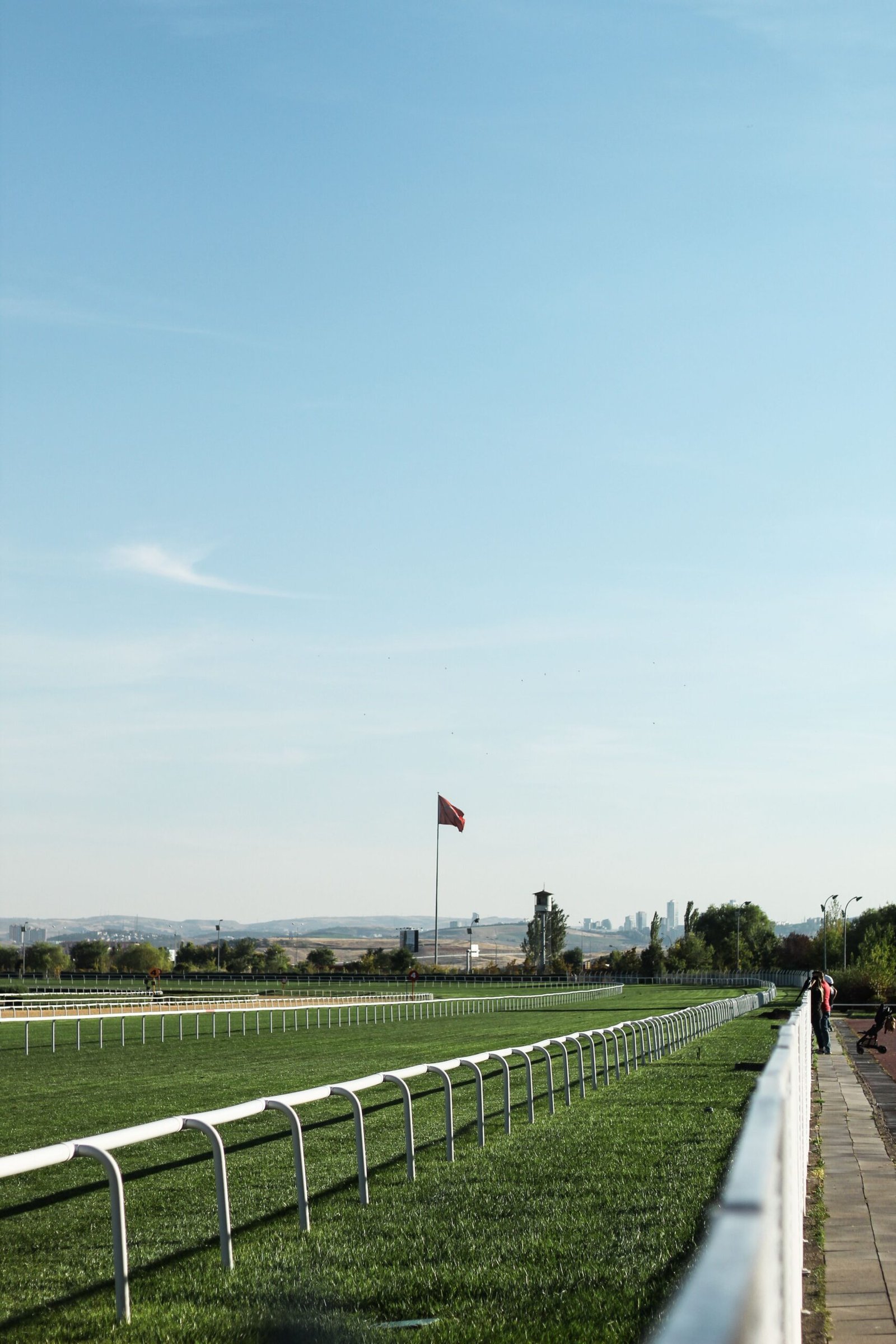
If Turffontein has a beating heart, it is undoubtedly its world-renowned racecourse. The Turffontein Race Course is more than just a sporting venue; it is a historic institution, a social hub, and a significant contributor to the local and national economy. It stands as the premier horse racing destination on the Highveld, attracting top-class horses, jockeys, and thousands of enthusiastic spectators annually .
A History Steeped in Horse Racing Tradition
The history of the racecourse is almost as old as Johannesburg itself. Established in 1887, just one year after the city’s founding, it quickly became a central fixture in the community . In its early days, it was a sand track, but over the decades, it has undergone numerous upgrades and renovations to become the state-of-the-art facility it is today, featuring a premier turf track . The racecourse has hosted numerous high-profile events, including the prestigious South African Derby and the Turffontein 2000 Guineas, cementing its reputation as a venue of national and international importance . The Turffontein Oaks, another highlight of the racing calendar, boasts a significant purse of over R1 million, showcasing the high-stakes nature of the events held here . The elegant original buildings and meticulously maintained gardens, including a picturesque parade ring and a large dam that serves as a bird sanctuary, add to the venue’s timeless charm and prestige .
The Turffontein Racing Experience
Attending an event at Turffontein is an experience that caters to a wide range of interests. For the racing enthusiast, the course offers a 2,000-metre turf track and hosts a variety of events, including flat and jump racing . The grandstand provides comfortable seating and excellent viewing facilities for up to 30,000 spectators, ensuring everyone has a great view of the action . But the experience extends far beyond the track itself. The racecourse is known for its vibrant atmosphere, blending the thrill of the race with social entertainment. Visitors can enjoy a variety of restaurants and bars, picnic areas, and dedicated corporate entertainment spaces . The venue also features a well-stocked tote pool and betting facilities, with staff often available to assist newcomers with placing bets. This combination of high-octane sport and sophisticated socializing makes Turffontein a unique and desirable destination.
The Economic Impact of the Turffontein Racecourse
The Turffontein racecourse is a significant economic driver for the suburb and the broader Johannesburg area. Hosting hundreds of events annually, with an average attendance rate that can reach up to 85%, the venue attracts hundreds of thousands of visitors each year . This influx of spectators translates to revenue for not just the racing association but also for local businesses such as hotels, restaurants, and transport services. For example, one report noted an estimated 150,000 spectators visiting the venue in a single year . The course’s role as an employer, a venue for corporate events, and a draw for tourism reinforces its status as a vital component of the local economy.
Turffontein as a Modern Community: Accommodation and Culture
Beyond its historical and racing significance, Turffontein is also a living, breathing community that has adapted to the changing times. It offers a strategic location for both tourists and residents, providing easy access to many of Johannesburg’s key attractions.
Location and Accessibility for Tourists
One of Turffontein’s greatest modern strengths is its strategic location. It is situated in close proximity to several of Johannesburg’s most popular tourist destinations. The Gold Reef City Casino and Theme Park, and the Apartheid Museum are all less than 10 minutes away, making Turffontein an ideal base for sightseers . Additionally, the suburb is centrally located, with the Johannesburg CBD just 15 minutes away and O.R. Tambo International Airport approximately 25 minutes by car . This convenient access to major highways, public transport, and ride-sharing services like Uber makes Turffontein a highly accessible and practical choice for visitors . For those traveling from farther afield, the suburb is also conveniently located relative to both O.R. Tambo International Airport (JNB) and Lanseria International Airport (HLA) .
Accommodation Options
In response to its popularity with tourists and business travelers, Turffontein has developed a diverse range of accommodation options. Visitors can choose from self-catering guest houses, which offer a “home away from home” experience with amenities like kitchenettes and Smart TVs . Boutique hotels provide a more personalized service and often feature comfortable rooms with en-suite bathrooms and complimentary Wi-Fi. These establishments often cater to specific types of travelers, from solo adventurers and couples to business executives, with a variety of room categories such as Standard, Deluxe, and Executive . This variety ensures that there is an accommodation choice to suit almost every preference and budget.
Conclusion: Turffontein – A Timeless Johannesburg Treasure
Turffontein offers a remarkable journey through the heart of Johannesburg’s story. From its humble beginnings as a strategic farm on the Highveld to its rapid development as a foundational suburb during the gold rush, its history is a testament to the city’s dynamic growth. The area’s resilience is captured in its rich heritage, from the early fire station to the community that has weathered immense change over more than a century.
Today, the suburb is perhaps best defined by the iconic Turffontein Race Course, a venue that masterfully blends tradition and excitement. It serves not only as a thrilling sporting destination but also as a vibrant social hub and an economic engine for the region. Modern Turffontein has successfully reinvented itself, offering strategic, convenient accommodation and easy access to the cultural and entertainment highlights of Johannesburg. Its ability to preserve its historical soul while embracing contemporary tourism and residential needs ensures its position as a vital, engaging, and uniquely South African suburb.
Frequently Asked Questions About Turffontein
Q: What is the history of Turffontein in Johannesburg?
Turffontein is one of the oldest suburbs in Johannesburg, originating from one of the original farms on which the city was established. It was proclaimed as a suburb on 27 September 1886 during the Witwatersrand Gold Rush . The suburb was a pivotal part of the city’s early urban development, with landmarks like the 1910 Turffontein Fire Station and the historic racecourse reflecting its rich heritage .
Q: What events are held at the Turffontein Race Course?
The Turffontein Race Course hosts a premier schedule of horse racing events, including prestigious races such as the Turffontein Oaks, the Turffontein Derby, and the South African Derby . The venue also hosts a variety of other events throughout the year, with hundreds of events taking place annually and attracting top-class horses and jockeys from around the world .
Q: How can I get to Turffontein?
Turffontein is centrally located in Johannesburg South, offering easy access via major highways. It is approximately a 25-minute drive from O.R. Tambo International Airport and about 15 minutes from the Johannesburg CBD . For those without a car, Uber and Taxify (ride-sharing services) are readily available, and there are also bus routes that serve the area .
Q: Why is Turffontein famous?
Turffontein is perhaps most famous for its iconic racecourse, the Turffontein Race Course, which is considered the Highveld’s leading race track and dates back to 1887 . It is also historically significant as one of the original suburbs of Johannesburg, rich in heritage and playing a crucial role in the early development of the city .
Q: What is there to do in Turffontein?
The main attraction is attending a live racing event at the Turffontein Race Course, which also features restaurants, bars, and picnic areas . The suburb is also a prime location for exploring nearby Johannesburg attractions, including the Apartheid Museum, Gold Reef City Theme Park, and the Gold Reef City Casino . Visitors can also explore its historical landmarks, such as Rotunda Park and the old Turffontein Fire Station .
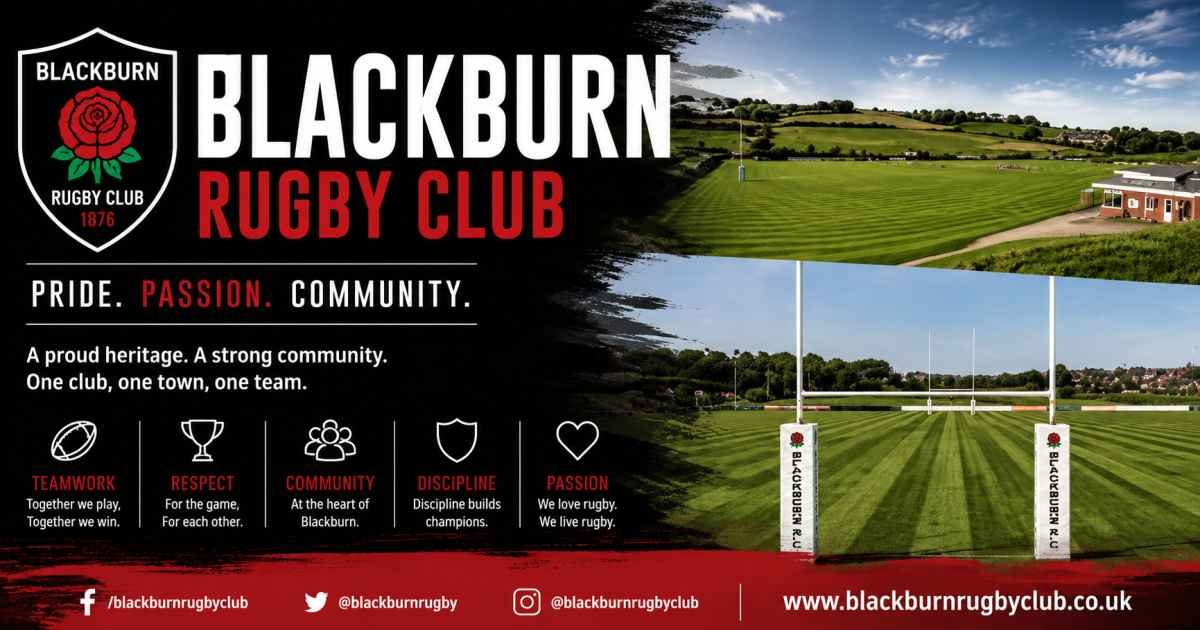
Blackburn Rugby Club, officially known as Blackburn Rugby Union Football Club (Blackburn RUFC), is one of Lancashire’s respected community rugby clubs with a proud tradition of competitive rugby, player development, and community involvement. Over the years, the club has built a strong reputation for welcoming players of all ages and abilities while promoting the core values of rugby union—teamwork, respect, discipline, and sportsmanship.
In 2026, searches for Blackburn Rugby Club, Blackburn RUFC fixtures, Blackburn Rugby membership, Blackburn junior rugby, and Blackburn Rugby Club teams continue to grow as players, families, and supporters seek information about one of the region’s established rugby clubs.
This complete guide explores Blackburn Rugby Club’s history, home ground, senior and junior teams, facilities, coaching philosophy, league participation, community impact, and future ambitions.
The History of Blackburn Rugby Club
Blackburn Rugby Union Football Club has been an important part of Lancashire’s sporting landscape for many decades. Throughout its history, the club has provided opportunities for local players to enjoy competitive rugby while building lasting friendships and developing valuable life skills.
Like many successful community rugby clubs across England, Blackburn RUFC has experienced league promotions, challenging seasons, memorable victories, and continuous development. These experiences have strengthened the club’s identity and reinforced its commitment to sustainable growth.
The club has remained dedicated to balancing competitive success with grassroots participation, ensuring rugby remains accessible to players of every background and experience level.
Today, Blackburn Rugby Club continues to represent the values that have long defined English rugby union while embracing modern coaching methods and player welfare initiatives.
Home Ground and Club Facilities
The home of Blackburn Rugby Club serves as the center of club activity throughout the rugby season.
Designed to support training, competitive fixtures, youth development, and social events, the club’s facilities provide an excellent environment for players and supporters alike.
Typical facilities include:
- Well-maintained rugby pitches
- Floodlit training areas
- Modern changing rooms
- Clubhouse with hospitality facilities
- Function rooms for club events
- Spectator viewing areas
- Refreshment services
- On-site parking
The clubhouse plays an important role beyond rugby, hosting awards evenings, fundraising events, family celebrations, and community gatherings that strengthen the club’s close-knit atmosphere.
Senior Teams and Competitive Rugby
Competitive rugby remains central to the identity of Blackburn RUFC.
The club fields senior teams that compete in organized rugby union leagues and regional cup competitions throughout the season.
Players participate in:
- League fixtures
- Cup competitions
- Friendly matches
- Development fixtures
- Pre-season preparation games
The coaching staff places strong emphasis on:
- Tactical awareness
- Technical skill
- Physical conditioning
- Leadership
- Communication
- Match discipline
Senior rugby provides players with opportunities to develop individually while contributing to the collective success of the team.
Junior Rugby and Player Development
One of Blackburn Rugby Club‘s greatest strengths is its commitment to developing future generations of rugby players.
The club operates comprehensive youth rugby programs that introduce children to the game while helping experienced young players continue progressing through structured coaching pathways.
Junior opportunities often include:
- Mini rugby
- Age-grade teams
- Skills development sessions
- Rugby festivals
- Holiday coaching camps
- Development academies
Training focuses on several important areas.
Technical Skills
Young players improve tackling, passing, kicking, catching, rucking, and ball-handling techniques.
Physical Development
Age-appropriate fitness, agility, speed, coordination, and strength exercises prepare players for competitive rugby.
Tactical Understanding
Players develop decision-making, positioning, teamwork, and match awareness through game-based coaching.
Personal Growth
Blackburn RUFC encourages respect, confidence, resilience, leadership, discipline, and sportsmanship in every training session.
These programs help create clear pathways into senior rugby while promoting lifelong participation in the sport.
Membership and Community Involvement
Blackburn Rugby Club is much more than a place to play rugby—it is an important community organization.
The club welcomes players, families, volunteers, sponsors, and supporters who all contribute to creating a positive rugby environment.
Membership opportunities commonly include:
- Senior playing memberships
- Junior memberships
- Family memberships
- Social memberships
- Volunteer roles
Community activities often include:
- Youth rugby festivals
- Charity fundraising events
- Club dinners
- Awards evenings
- School partnerships
- Community coaching sessions
- Family fun days
These initiatives strengthen relationships between the rugby club and the wider Blackburn community while encouraging greater participation in grassroots sport.
Why Blackburn Rugby Club Continues to Thrive
Several key factors explain why Blackburn RUFC remains one of Lancashire’s respected community rugby clubs.
Strong Rugby Heritage
Generations of players have contributed to the club’s proud sporting tradition.
Quality Coaching
Qualified coaches focus on technical improvement, tactical understanding, and player welfare.
Inclusive Environment
The club welcomes participants of all ages and experience levels, making rugby accessible to everyone.
Youth Development
Investment in junior rugby ensures a steady pathway for future senior players.
Dedicated Volunteers
Volunteers support coaching, administration, fundraising, hospitality, and matchday operations, helping the club operate successfully throughout the year.
Together, these strengths provide a solid foundation for long-term success both on and off the field.
The Future of Blackburn Rugby Club
Looking ahead to 2026 and beyond, Blackburn Rugby Club continues pursuing sustainable growth while maintaining its community-focused philosophy.
Future priorities include:
- Expanding junior rugby participation
- Supporting women’s and girls’ rugby initiatives
- Improving training facilities
- Recruiting additional qualified coaches
- Strengthening community partnerships
- Enhancing player welfare
- Increasing volunteer involvement
- Maintaining competitive league performances
These objectives will help ensure Blackburn RUFC continues serving players and supporters for many years to come.
Frequently Asked Questions About Blackburn Rugby Club
What does RUFC stand for?
RUFC stands for Rugby Union Football Club, indicating that the club competes in rugby union.
Does Blackburn Rugby Club have junior teams?
Yes. The club operates a structured junior rugby program with teams across multiple age groups.
Can beginners join Blackburn Rugby Club?
Absolutely. Players of all abilities are welcome, and coaching is available for newcomers as well as experienced rugby players.
Does Blackburn Rugby Club compete in league rugby?
Yes. Senior teams participate in organized rugby union league competitions and regional cup tournaments throughout the season.
Is Blackburn Rugby Club family-friendly?
Yes. The club encourages family participation through youth rugby, volunteering opportunities, social events, and community activities.
Final Thoughts
In 2026, Blackburn Rugby Club (Blackburn RUFC) continues to demonstrate why community rugby union remains such an important part of English sport. Combining competitive league rugby, excellent coaching, strong youth development, modern facilities, and a welcoming club culture, Blackburn RUFC provides opportunities for players of all ages to enjoy and develop within the game.
Whether you’re interested in joining as a player, enrolling your child in junior rugby, volunteering on matchdays, or simply supporting local sport, Blackburn Rugby Club offers a rewarding experience built on respect, teamwork, discipline, and lifelong participation. As the club continues to invest in its facilities, coaching programs, and community partnerships, Blackburn RUFC is well-positioned to build on its proud tradition and remain a valued part of Lancashire’s rugby landscape for generations to come.
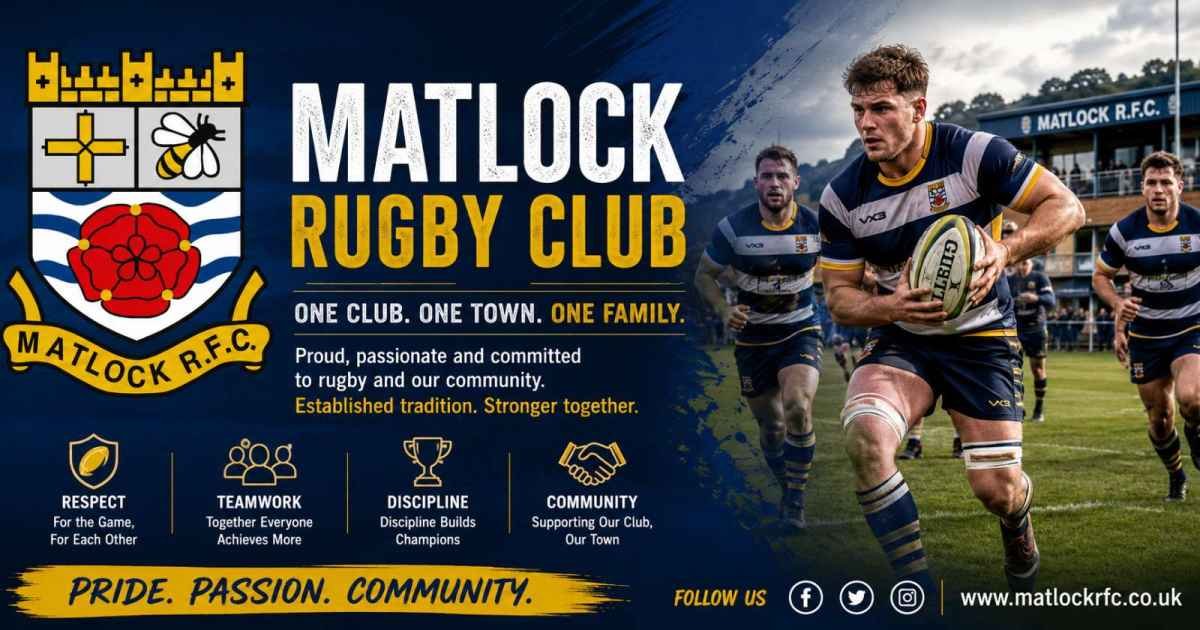

Morley RUFC (Morley Rugby Union Football Club) is one of Yorkshire’s most respected community rugby clubs, known for its rich history, competitive rugby, youth development, and strong local support. For generations, the club has provided players of all ages with opportunities to compete, develop their skills, and enjoy the values that define rugby union—teamwork, discipline, respect, and commitment.
In 2026, interest in Morley RUFC, Morley Rugby Club fixtures, Morley RUFC membership, Morley rugby teams, and Morley RUFC juniors continues to grow as supporters, players, and families follow one of West Yorkshire’s established rugby clubs.
This comprehensive guide explores everything you need to know about Morley RUFC, including its history, facilities, senior and junior teams, coaching philosophy, community involvement, and future ambitions.
The History of Morley RUFC
Morley Rugby Union Football Club has a proud heritage that stretches back more than a century, making it one of the long-established rugby clubs in West Yorkshire. Since its formation, the club has built a reputation for playing competitive rugby while maintaining a welcoming environment for players, volunteers, and supporters.
Throughout its history, Morley RUFC has competed in various levels of the English rugby union league structure, experiencing successful seasons, memorable victories, and periods of rebuilding. These experiences have helped shape the club’s identity and strengthened its position within the regional rugby community.
The club has always placed equal importance on sporting success and community values, encouraging participation from players of all abilities while fostering lifelong friendships through rugby.
Home Ground and Club Facilities
The home of Morley RUFC serves as more than just a venue for rugby matches. It is a gathering place where players, supporters, and families come together throughout the season.
The club’s facilities are designed to support training, competitive fixtures, and social events.
Key features typically include:
- Well-maintained rugby pitches
- Floodlit training areas
- Modern changing rooms
- Clubhouse with hospitality facilities
- Spectator viewing areas
- Function rooms for club events
- Refreshment and catering services
- Parking for visitors
These facilities enable Morley RUFC to host league fixtures, junior festivals, training sessions, fundraising activities, and community events throughout the rugby calendar.
Senior Teams and Competitive Rugby
Competitive rugby remains central to Morley RUFC’s identity.
The club regularly fields senior squads that compete in organized rugby union leagues and cup competitions, providing players with opportunities to develop and perform at a high standard.
Throughout the season, teams participate in:
- League fixtures
- Cup competitions
- Friendly matches
- Pre-season preparation games
- Regional rugby tournaments
Senior rugby at Morley emphasizes:
- Tactical awareness
- Physical conditioning
- Teamwork
- Discipline
- Leadership
- Continuous improvement
Players benefit from experienced coaching and a competitive yet supportive environment that encourages long-term development.
Junior Rugby and Player Development
One of Morley RUFC‘s greatest strengths is its commitment to grassroots rugby.
The club operates an extensive junior section, introducing children and teenagers to rugby union in a safe, enjoyable, and structured environment.
Youth rugby programs often include:
- Mini rugby
- Junior age-grade teams
- Academy-style development sessions
- Holiday coaching camps
- Skills workshops
- Rugby festivals
Coaches focus on helping young players develop:
Core Rugby Skills
Passing, tackling, catching, kicking, rucking, and ball handling form the foundation of every training session.
Physical Development
Age-appropriate fitness, agility, coordination, and strength exercises prepare players for competitive rugby.
Tactical Understanding
Players learn positioning, game management, teamwork, and decision-making through structured coaching.
Personal Growth
The club emphasizes confidence, respect, leadership, resilience, and sportsmanship both on and off the field.
By investing in junior rugby, Morley RUFC helps secure the future of the sport while creating pathways into senior rugby.
Community Spirit and Club Culture
One of the defining characteristics of Morley Rugby Union Football Club is its strong community spirit.
The club is supported by players, parents, volunteers, sponsors, and loyal supporters who contribute countless hours to ensuring rugby remains accessible for everyone.
Community activities include:
Youth Development Programs
Providing opportunities for children to participate in organized sport while building confidence and teamwork.
Volunteer Support
Volunteers assist with coaching, administration, hospitality, fundraising, and matchday operations.
Social Events
The clubhouse regularly hosts dinners, awards nights, charity fundraisers, family events, and celebrations that strengthen the club community.
Local Partnerships
Morley RUFC works alongside schools, businesses, and community organizations to promote rugby participation and healthy lifestyles.
These initiatives make the club an important part of the wider Morley community.
Why Morley RUFC Continues to Thrive
Several factors have helped Morley RUFC remain one of Yorkshire’s respected rugby clubs.
Rich Rugby Tradition
The club’s long history provides a strong foundation built on generations of players and supporters.
Quality Coaching
Qualified coaches focus on technical development, tactical understanding, and player welfare.
Inclusive Environment
Players of different ages and experience levels are welcomed and encouraged to enjoy rugby.
Strong Volunteer Network
Dedicated volunteers help maintain facilities, organize events, and support every aspect of club operations.
Focus on Youth
Investment in junior rugby ensures continued player development and long-term sustainability.
Together, these strengths allow Morley RUFC to remain competitive while preserving the welcoming atmosphere that attracts new members each year.
The Future of Morley RUFC
Looking ahead to 2026 and beyond, Morley Rugby Union Football Club continues to pursue sustainable growth while maintaining its community-focused philosophy.
Future priorities include:
- Expanding junior rugby participation
- Supporting women’s and girls’ rugby initiatives
- Improving training facilities
- Recruiting additional qualified coaches
- Strengthening community partnerships
- Enhancing player welfare programs
- Growing membership numbers
- Maintaining competitive league performances
By balancing sporting ambition with responsible management, Morley RUFC aims to continue serving players and supporters for generations to come.
Frequently Asked Questions About Morley RUFC
What does RUFC stand for?
RUFC stands for Rugby Union Football Club, indicating that the club plays rugby union rather than rugby league.
Does Morley RUFC have junior teams?
Yes. The club operates a comprehensive junior and youth rugby program with teams across multiple age groups.
Can beginners join Morley RUFC?
Absolutely. The club welcomes players of all experience levels and provides coaching for newcomers as well as experienced rugby players.
Does Morley RUFC compete in league rugby?
Yes. Senior teams participate in organized rugby union league competitions and cup tournaments throughout the season.
Is Morley RUFC family-friendly?
Yes. The club encourages family involvement through youth rugby, social events, volunteering opportunities, and welcoming matchday experiences.
Final Thoughts
In 2026, Morley RUFC continues to exemplify the values that make community rugby union so important. Combining a proud history, competitive senior rugby, excellent youth development, dedicated volunteers, and a welcoming club culture, Morley Rugby Union Football Club remains a vital part of the sporting landscape in West Yorkshire.
Whether you’re interested in joining as a player, enrolling a child in junior rugby, attending league fixtures, or becoming part of a vibrant rugby community, Morley RUFC offers an outstanding environment built on respect, teamwork, and lifelong participation in the sport. As the club continues to invest in facilities, coaching, and community initiatives, it is well-positioned to inspire future generations and remain one of Yorkshire’s most valued rugby institutions.


 Tech2 months ago
EO PIS: Complete Guide to the Electronic Office Personnel Information System in 2026
- Sports2 months ago
Mark Hines: The Multifaceted Journey of a Scientist, Athlete, and Thought Leader
- Fashion2 months ago
Jo Wilder: Exploring the Name, Authors, and Educational Impact
- Uncategorized2 months ago
Nerwey: Unlocking the Power of a Unique Digital Identity for Branding and SEO Success
- Lifestyle2 months ago
Mercedes Spall: The Untold Story of Timothy Spall’s Daughter Who Chose Privacy Over Fame
- Tech2 months ago
The Complete Supanet Mail Guide: Setup, Troubleshooting & Expert Tips for 2026
- Fashion2 months ago
Deanna Che: The Enigmatic Landscape Architect and the Quiet Force Behind a Star’s Multicultural Roots
- Tech2 months ago
The Definitive Article on xgrace19x