
Fashion
What is a “Blazertje”? Unraveling the Mystery of the Dutch Fashion Staple

Published
2 months agoon

Table of Contents
ToggleIntroduction
In the ever-evolving lexicon of global fashion, certain terms transcend mere clothing items to become cultural signifiers, and the “blazertje” is precisely such a term. Rooted deeply in the Dutch sartorial tradition, the blazertje—translating loosely to “little blazer” or “cute jacket”—is far more than a simple piece of outerwear. It represents a confluence of military history, academic prestige, and modern streetwear adaptability that has captured the imagination of fashion enthusiasts across the Benelux region and beyond. While the standard blazer has long been a cornerstone of formal menswear and corporate womenswear, the diminutive suffix “-tje” imbues this garment with a sense of approachability and charm. It suggests a shorter, more cropped silhouette or a softer construction that deviates from the rigid shoulder pads of traditional tailoring. In recent years, the blazertje has emerged from the shadows of the office wardrobe to become a dynamic layering piece that bridges the gap between casual Friday and weekend chic. As we delve into the nuances of this iconic jacket, we will explore its rich historical tapestry, its journey through the annals of fashion history, and the myriad ways in which the modern fashionista can incorporate the blazertje into their daily rotation.
The Historical Origins of the Blazertje
To truly appreciate the modern blazertje, one must first embark on a journey through time to understand the origins of its predecessor, the blazer. The story begins not in the fashion houses of Paris or Milan, but on the pitching decks of the British Royal Navy in the 19th century. It was during this era that the term “blazer” was coined, reportedly deriving from the “blazing” red jackets worn by the crew of the HMS Blazer. These vibrant jackets were a stark departure from the muted tones of military attire, designed to be highly visible and distinct. Over time, the blazer transitioned from a purely functional naval garment to a symbol of rowing clubs and prestigious educational institutions, such as Oxford and Cambridge, where distinct colors signified membership in elite teams. This tradition of collegiate colors eventually found its way to continental Europe, but it was the Dutch interpretation that gave birth to the “blazertje.” In the Netherlands, a country known for its pragmatic yet stylish approach to dressing, the heavy, structured Anglo-Saxon blazer felt too stiff and formal. Thus, the blazertje was born—a softer, more feminine, and often shorter cut that allowed for ease of movement while cycling or walking the cobblestone streets. This evolution marked a significant shift from the garment being a symbol of rigid authority to one of relaxed sophistication and youthful energy.
The Anatomy and Construction of a Classic Blazertje
Understanding the physical characteristics of the blazertje is essential for any shopper or stylist. Unlike its American cousin or the strict British regimental jacket, the blazertje is distinguished by specific tailoring details that set it apart. Firstly, the length is critical. A true blazertje typically hits at the waistline or sits just above the hip bones, creating a cropped effect that instantly elevates the wearer’s proportions. This shorter length makes it an incredibly flattering piece for those looking to elongate the legs when paired with high-waisted trousers or pencil skirts. Secondly, the construction of the shoulder is generally more relaxed. While traditional blazers often feature structured shoulder pads to create a powerful, authoritative silhouette, the blazertje frequently opts for a natural, raglan, or even a drop-shoulder sleeve, lending it an air of nonchalance that is perfect for the “effortless chic” aesthetic. Lapels also play a significant role; while the classic notched lapel remains a favorite, designers often experiment with shawl collars or even collarless designs to soften the look. The fabric choice is equally telling. Wool and tweed are popular for winter iterations, offering warmth and texture, whereas cotton, linen, and even velvet are favored for warmer months, providing breathability and a luxurious finish. The details, such as the buttons—often gold-toned or mother-of-pearl—serve as the finishing touches that honor the naval and collegiate heritage while maintaining a distinctly feminine appeal.
Styling the Blazertje: From Desk to Dinner
The true genius of the blazertje lies in its remarkable versatility, making it an indispensable component of the modern capsule wardrobe. Gone are the days when the blazer was reserved exclusively for the boardroom. Today, the blazertje is the centerpiece of countless outfits, capable of transitioning seamlessly from the harsh fluorescent lights of the office to the dim, candlelit ambiance of a high-end restaurant. For a power lunch or a business meeting, styling the blazertje with a matching trouser suit is a fail-safe option, yet the cropped cut ensures that the look remains contemporary rather than old-fashioned. If one wishes to avoid the “suit” look altogether, pairing a structured, double-breasted blazertje with wide-leg, flowy trousers and a silk camisole creates a juxtaposition of hard and soft that is visually arresting. When the clock strikes five and the workday ends, the transformation begins. The same blazertje can be thrown over a simple slip dress or a pair of high-waisted leather trousers. For the quintessential European street-style look, fashionistas often drape the blazertje over their shoulders as a cape, adding an instant “je ne sais quoi” to a basic white t-shirt and jeans combination. It is this ability to dress up a casual outfit or ground a formal one that gives the blazertje its cult status. Furthermore, playing with proportions is key; because the jacket is shorter, it pairs beautifully with maxi skirts or baggy cargo pants, creating a silhouette that is balanced, modern, and intrinsically stylish.
The Evolution of Gender in Blazertje Fashion
While the origins of the blazer are undeniably masculine, the evolution into the “blazertje” represents a significant milestone in the fashion industry’s move towards androgyny and gender-fluid dressing. Historically, when women began wearing blazers in the 20th century, it was an act of rebellion—a reclamation of power in a patriarchal workspace. Coco Chanel famously borrowed elements of men’s jackets to create her iconic tweed suits, but it was the late 20th and early 21st centuries that saw the true feminization of the jacket. The blazertje took this a step further by not just shrinking the garment but altering its very soul. It moved beyond the binary of “male blazer” and “female blazer” to become a piece of self-expression for all. Today, you see the blazertje styled on men too, usually in an oversized fit, challenging the notion that crop jackets are solely for women. The “quiet luxury” trend has also embraced the blazertje, favoring neutrals and impeccable cuts over flashy logos, allowing the garment to speak to a sophistication that transcends gender norms. This inclusivity has solidified the blazertje’s place in the 21st-century wardrobe, recognizing that great style knows no gender.
Fabric, Texture, and Seasonal Adaptation
To maximize the value of a blazertje, understanding the seasonal adaptability of different fabrics is crucial for the discerning shopper. For the crisp, cool days of autumn, a wool-blend blazertje offers the ideal weight—sufficiently warm to ward off a chill, yet light enough to avoid overheating when layered over a chunky knit. The texture of the wool adds depth to the outfit, catching the low autumn light and providing a rich visual experience. As the winter deepens, cashmere and heavier tweed variants become the go-to options, often featuring textured weaves like herringbone or houndstooth that reflect the traditional British ancestry of the jacket. Conversely, as spring emerges, the blazertje sheds its heavy layers and embraces lighter fabrics such as linen, cotton, and seersucker. These materials are breathable, allowing for air circulation during the warmer transitional months, and they carry a relaxed, slightly wrinkled aesthetic that fits perfectly with the “gardening chic” trend. In summer, a sleeveless blazertje or one made from crisp poplin serves as the perfect cover-up for an evening out, protecting against the setting sun while maintaining a polished look. By curating a collection of blazertjes in various textures and weights, one can wear this staple jacket all year round, proving that it is not just a seasonal fad but a perennial classic.
Caring for Your Blazertje: Ensuring Longevity
Investing in a high-quality blazertje requires a commitment to its maintenance and care, ensuring the garment remains a fixture in your wardrobe for decades to come. The first rule of blazertje care is to heed the laundry label with religious fervor. Given that many blazertjes are constructed from wool, cashmere, or delicate synthetics, regular machine washing is often the enemy of longevity. Instead, opt for professional dry cleaning once or twice a season, unless an unavoidable spill necessitates urgent intervention. However, the essential maintenance that many overlook is the art of proper storage. A blazertje should never be left crumpled on a chair or thrown over a doorknob; these actions deform the fabric and ruin the shoulder structure. Investing in a wide, structured wooden hanger is imperative to maintain the shape of the shoulders and prevent the sleeves from stretching. Between wears, allow the jacket to “rest” for at least 24 hours to let the natural fibers recover from the day’s wear, which helps release the wrinkles and odors absorbed from the environment. If dealing with minor wrinkles, a steamer is the preferred tool over an iron, as pressing down with an iron can crush the fabric’s texture and create unsightly shiny patches. By treating your blazertje with the respect it deserves, you ensure that the fabric retains its luster, the lining stays intact, and the buttons remain firmly attached, guaranteeing that this fashion investment pays dividends in style for years to come.
The Dutch Influence: Why the Blazertje Thrives in the Netherlands
To understand the “blazertje” phenomenon, one must look at the Dutch lifestyle and its intrinsic connection to fashion. The Netherlands, known for its pragmatic and direct culture, also has a rich history of trade and textile innovation, which influences modern dress. The blazertje thrives in the Dutch climate; the country’s notorious unpredictable weather, characterized by sudden rainfall and gusty winds, necessitates a garment that is both functional and easy to layer. The blazertje provides that perfect middle layer—wearing it under a heavier trench coat offers extra warmth, while wearing it alone provides sufficient coverage for a mild, breezy afternoon. Furthermore, the Dutch are globally recognized for their cycling culture, and the blazertje fits seamlessly into this lifestyle. Its shorter, cropped cut prevents the fabric from catching on the bicycle seat, a practical advantage that the longer, traditional blazer lacks. This fusion of practicality and high fashion is quintessentially Dutch; the locals value quality, functionality, and understated elegance. Designers in Amsterdam and Antwerp have capitalized on this, infusing the traditional blazer with an avant-garde flair that resonates globally. The blazertje is not just a garment in the Netherlands; it is a cultural artifact that tells the story of a nation that values individualism, comfort, and resilience against the elements.
Navigating the Market: Choosing the Perfect Blazertje
For the uninitiated, navigating the plethora of options available on the market can be overwhelming. However, selecting the perfect blazertje boils down to a few key considerations: body type, color palette, and intended use. For those with an hourglass figure, a belted blazertje or one that is slightly cinched at the waist will accentuate curves beautifully, while those with a more athletic build may prefer a boxier cut to create the illusion of curves. Regarding color, while the classic navy and black are timeless staples, the modern fashion enthusiast should not shy away from bold hues like emerald green, rust orange, or even pastel pinks, which can serve as a statement piece in a sea of neutral tailoring. It is also wise to examine the lining of the jacket; a high-quality viscose or cupro lining ensures the jacket slips on easily over sleeves and allows the skin to breathe. Beyond the aesthetics, consider the brand’s ethos. Many European brands producing blazertjes are shifting toward sustainable production, utilizing recycled materials or ethical wool sourcing. Investing in such a piece not only elevates your wardrobe but also supports the slowing trend of fast fashion, promoting a more circular economy. Whether you are buying from a high-street retailer or a luxury boutique, the key is to ensure the fit is right for your personal style and that the garment makes you feel empowered.
Conclusion
In the grand narrative of fashion, few items possess the chameleon-like adaptability and enduring allure of the blazertje. Far from being a fleeting trend, this diminutive jacket has cemented its status as a wardrobe essential for the modern, style-conscious individual. From its humble naval origins to its reign as a staple of Dutch street style, the blazertje has undergone a remarkable evolution, shedding its rigid, formal constraints to embrace a world of softness, texture, and versatility. It stands as a testament to the fact that great design transcends language and borders, offering a unique blend of history and modernity that is hard to replicate. Whether you are styling it for a boardroom presentation, a casual coffee date, or an elegant night out, the blazertje offers infinite possibilities for self-expression. By understanding its anatomy, appreciating its historical roots, and learning the art of caring for it, you unlock the full potential of this remarkable garment. As we move forward in an era that celebrates individuality and conscious consumption, the blazertje remains a reliable ally, proving that true style is, indeed, timeless.
3. Frequently Asked Questions (FAQ)
Q1: What is the difference between a “blazer” and a “blazertje”?
A: The primary difference lies in the length and the cut. A standard blazer is generally a longer, structured jacket traditionally worn in formal or professional settings. It often features broad shoulders and straight cuts that sit at the hip level or lower. In contrast, a “blazertje” is the Dutch diminutive form, which translates to “little blazer” or “cute jacket.” It is typically cropped, hitting just at the waistline, and usually has a softer, more relaxed shoulder construction. The “blazertje” is designed to be more casual, feminine, and versatile, bridging the gap between formal wear and everyday street style.
Q2: How should a blazertje fit?
A: A well-fitting blazertje should hug your shoulders comfortably without pulling across the back, allowing for full range of motion. The sleeves should end around the wrist bone, exposing a small amount of shirt cuff for a polished look. Because it is a cropped jacket, the hem should ideally sit at or just above the natural waistline to accentuate the slimmest part of the torso. If you purchase a structured one, ensure that the lapels lay flat against the chest and that there are no gaping holes at the button closure. The fit should feel like a second skin—structured enough to look intentional, yet comfortable enough for everyday movement.
Q3: Can the blazertje be worn in summer?
A: Absolutely. The beauty of the blazertje is its year-round wearability, provided you choose the right fabric. For warmer months, look for blazertjes made from lightweight materials such as linen, cotton, seersucker, or silk blends. These fabrics are breathable and do not trap heat against the body, making them ideal for summer evenings or air-conditioned offices. A sleeveless blazertje is also a fantastic option for a hot day, offering the structured look of a jacket without the extra arm coverage. The cropped cut also allows for better airflow compared to a full-length blazer, making it a practical choice for the summer season.
Q4: Where can I buy authentic blazertjes in the Netherlands?
A: In the Netherlands, you can find high-quality blazertjes in a variety of retail outlets, ranging from high-end department stores to boutique shops. Popular retailers like De Bijenkorf often carry top designer brands that produce these jackets. Additionally, Dutch fashion chains like COS, & Other Stories, and Scotch & Soda frequently offer excellent interpretations of the blazertje in their collections. For more unique, vintage, or sustainable options, exploring the local boutiques in the “Nine Streets” (De Negen Straatjes) in Amsterdam or the fashion district in Antwerp is highly recommended.
Q5: Is the blazertje still in style in 2026?
A: Yes, the blazertje remains a highly relevant and stylish piece in 2026. The fashion industry continues to favor versatility and smart layering, both of which the blazertje provides. The ongoing trends of “quiet luxury” and “power dressing with a soft edge” have only amplified its popularity. Designers are constantly updating the blazertje with fresh details like exaggerated lapels, vibrant colors, and sustainable fabrics, ensuring it remains at the forefront of contemporary fashion. Its timeless silhouette guarantees it will stay a staple rather than a passing fad.
You may like
Fashion
Scarlet Sands: Unveiling the Allure of a Modern Classic
Published
2 months agoon
July 10, 2026
Table of Contents
ToggleIntroduction
In the ever-evolving world of fragrance, certain names capture the imagination before a single spritz is even experienced. “Scarlet Sands” is one such evocative title, conjuring images of sun-drenched horizons, luxurious warmth, and a sophisticated, enigmatic aura. This name, which has recently taken the niche perfume world by storm, belongs to a stunning new creation from the avant-garde French house, Ex Nihilo. This article delves deep into the heart of this captivating fragrance, exploring its composition, the inspiration behind it, and the reasons it has rapidly become a sought-after gem for connoisseurs seeking exclusivity and elegance.
Since its launch in 2024, the Scarlet Sands perfume has transcended its status as merely a scent to become an experience. It represents a journey to a moment suspended in time, a sensory snapshot of a Dubai sunset where the heat of the day meets the cool of the evening. This article will serve as a comprehensive guide to this modern masterpiece, breaking down its intricacies for fragrance enthusiasts and newcomers alike. We will explore the notes that make it so unique, the vision of its creators, and where you can find this exclusive Ex Nihilo fragrance.
The Vision Behind the Fragrance: A Dubai Sunset in a Bottle
The genesis of a great fragrance often lies in a powerful source of inspiration. For Scarlet Sands, the muse was the breathtaking spectacle of a sunset over the vibrant city of Dubai. It is in this moment that the desert’s blistering heat begins to recede, and the city’s modern skyline is illuminated by a deep, captivating scarlet glow. Senior perfumer Jordi Fernández, the nose behind this creation for Ex Nihilo, sought to bottle this duality—the radiant, fiery warmth of the sand and the sophisticated coolness of a cosmopolitan evening .
As a niche perfume, Scarlet Sands does not aim to please the masses but to tell a specific, evocative story. According to the brand, the scent captures the “captivating scarlet light of the sunset,” that fleeting moment when the hot sands give way to the city’s shimmering lights . This narrative is what elevates the fragrance beyond a simple blend of notes; it is a work of art designed to transport the wearer. The idea of a Dubai sunset perfume is compelling because it taps into a sense of luxury, adventure, and cosmopolitan glamour, elements that the house of Ex Nihilo masterfully weaves into their creations.
Deconstructing the Scent: A Symphony of Notes
The magic of any great perfume lies in its composition, and Scarlet Sands is a masterclass in olfactory architecture. It is a fruity-floral oriental scent, a category known for its richness and depth, but this fragrance executes the blend with a light, elegant touch that avoids being overwhelming . Its allure is built on a three-part structure, each layer revealing a new facet of the story.
The Opening: A Sparkling, Fruity Invitation
The first encounter with Scarlet Sands is both vibrant and inviting. It opens with a burst of juicy and sweet notes, dominated by the tangy sweetness of mandarin and the succulent tartness of raspberry . This initial explosion is bright and effervescent, creating an immediate sense of joy and luxury. It’s the olfactory equivalent of the first rays of the setting sun, sharp and warm on the skin. These fresh top notes are what make the fruity perfume classification so apt, providing a delightful and accessible entry point that appeals to both men and women, establishing it as a true unisex perfume .
The Heart: A Floral, Elegant Core
As the initial brightness settles, the fragrance reveals its floral soul. The heart is a delicate and sophisticated bouquet, where the opulent sweetness of jasmine and the airy, clean scent of freesia intertwine . Some sources also include orange blossom as a key component of the heart, adding a touch of honeyed warmth and romance . This floral centerpiece serves as a graceful transition, softening the vibrant fruitiness and leading the wearer into the deeper, more complex base. This is the note that makes the floral fragrance label significant, yet as many reviewers have noted, it remains subtle and never overpowers the overall composition .
The Base: A Warm and Enigmatic Close
The true staying power and character of a perfume often lie in its base, and Scarlet Sands finishes on a profoundly warm and sophisticated note. The base is an accord of rich, golden amber, the creamy sweetness of vanilla, and the modern, woody depth of akigalawood . Akigalawood is a sustainable, woody molecule with peppery and patchouli-like facets, providing a modern and sensual foundation for the fragrance. This combination is what makes it a classic amber and vanilla perfume, emitting a “warmth that is impossible to ignore” . This is the scent that lingers on the skin, creating a long-lasting and memorable trail.
Exclusivity and Availability: The Luxury of Scarcity
A defining characteristic of many niche perfumes like Scarlet Sands is their exclusivity, and Ex Nihilo has ensured this fragrance is not a common find. Initially, the scent was launched as an exclusive, available only at the most prestigious luxury destinations . This strategy reinforces its status as a hidden gem for true fragrance connoisseurs.
Today, to experience the Ex Nihilo Scarlet Sands, one must visit the fragrance halls of the London department store Harrods or the Bloomingdale’s in Dubai . This limited availability is a significant part of its appeal. As one reviewer noted, it makes you feel “a bit more exclusive right away,” as it’s “not a scent that everyone wears” . This exclusivity adds to the perfume’s desirability, making it a prized addition to any collection. While the cost reflects its luxury status at approximately $440 for a 100ml bottle, its enduring power and unique fragrance profile make it a worthwhile investment for those seeking a signature scent .
The Ex Nihilo Philosophy: Creating from Nothing
To truly appreciate Scarlet Sands, one must understand the house that created it. Ex Nihilo, a name that translates from Latin to “out of nothing” or “from scratch,” is a French luxury brand founded in 2013 with a mission to challenge and redefine the codes of modern perfumery . They focus on creating avant-garde, high-quality scents that are often complex and unexpected. Under the creative leadership of founders Olivier Royer, Benoit Verdier, and Sylvie Loday, the house has cultivated a portfolio of around 85 unique compositions . Their commitment to innovation and quality is evident in their collaborations with top perfumers like Jordi Fernández, who is also responsible for other modern successes like Blue Talisman. Scarlet Sands perfectly embodies this spirit, taking a classic fruity-floral structure and infusing it with a modern, sophisticated twist that is entirely in line with the house’s philosophy of creating something novel and extraordinary.
Conclusion
Scarlet Sands is more than just a new release; it is a statement. It is a fragrance that successfully marries the radiant warmth of the desert sun with the cool elegance of a modern metropolis. From its sparkling, fruit-forward opening to its sensuous amber and woody dry-down, every element of this perfume has been meticulously crafted to tell a story of luxury, warmth, and sophistication. The exclusivity surrounding its availability only adds to its mystique, making it a genuine treasure for those who can experience it. Whether you are a seasoned collector of niche perfumes or a newcomer looking for a truly memorable scent, Scarlet Sands by Ex Nihilo represents the pinnacle of modern olfactory art. It is a fragrance that not only smells divine but also makes the wearer feel part of an exclusive narrative, one that is carried on the wind.
Frequently Asked Questions (FAQ)
1. Who created the Scarlet Sands perfume?
Scarlet Sands was created by the French niche brand Ex Nihilo in collaboration with senior perfumer Jordi Fernández, who is also known for creating other popular scents for the house .
2. What are the main accords in Scarlet Sands?
The key scent profile is a fruity-floral oriental. Its main accords include white flowers, sweet, fruity, citrus, amber, woody, and vanilla notes . It’s a complex blend that is both sweet and sophisticated.
3. Is the perfume for men or women?
Scarlet Sands is officially a unisex perfume, designed to be enjoyed by both men and women. Its balanced composition of juicy fruits and elegant florals with a warm base makes it versatile and universally appealing .
4. Where can I buy the Ex Nihilo Scarlet Sands fragrance?
The fragrance is very exclusive. It is primarily available at the London department store Harrods and the Bloomingdale’s in Dubai, reflecting its status as a premium, limited-edition release .
5. What is the inspiration behind the Scarlet Sands scent?
The fragrance is inspired by the intense, beautiful atmosphere of a Dubai sunset. It aims to capture the magical moment when the sun sets over the desert, turning the sands a deep scarlet and the city lights begin to glow .
Fashion
Kate Hudson nude : Redefining Glamour, Resilience, and the “Naked Dress” Phenomenon
Published
2 months agoon
July 6, 2026
Table of Contents
ToggleIntroduction
In the world of Hollywood, few stars manage to maintain a career as diverse and enduring as Kate Hudson. From her breakout role as the iconic Penny Lane in Almost Famous, which earned her an Academy Award nomination and a Golden Globe win, to her reign as the queen of romantic comedies in the early 2000s, Hudson has become a household name. She is not just an actress but a successful entrepreneur, author, and musician.
However, in the digital age, searches often transcend a star’s filmography, veering into the realms of fashion and cultural trends. The search query “Kate Hudson nude” is a testament to this phenomenon. While it may initially imply a desire for explicit content, a deeper analysis reveals that it often points to a fascination with her fashion evolution—specifically, her confident embrace of the “naked dress” trend on the red carpet. This article delves into the multifaceted career of Kate Hudson, exploring her journey through Hollywood, her empowering fashion choices that create the illusion of nudity, and her robust response to decades of public scrutiny and body shaming. Beyond the headlines, Kate Hudson has emerged as a beacon of self-acceptance, proving that true style and confidence are about owning one’s narrative.
The Genesis of a Star: From Almost Famous to Rom-Com Royalty
Kate Hudson was born into a lineage of Hollywood royalty; she is the daughter of actress Goldie Hawn and singer Bill Hudson, and was raised by Hawn and her longtime partner, Kurt Russell. However, she was determined to carve her own path. “I was raised understanding, because of their experience, how it’s sort of not real,” Hudson once reflected on the nature of fame. “Anything that anybody’s projecting onto you is just a function of this machine… as long as you’re a good person and you have a solid life and you’ve got other interests… you’re going to maintain a sense of self and happiness” .
This grounded perspective helped her navigate the dizzying heights of early fame. Her performance as the free-spirited groupie in Almost Famous (2000) was a defining moment that catapulted her into the spotlight . She quickly became the “it” girl of Hollywood, dominating the romantic comedy genre with hits like How to Lose a Guy in 10 Days, You, Me and Dupree, and Bride Wars . Through the 2000s, she solidified her status as a leading lady, showcasing a blend of charm, comedic timing, and dramatic depth that few could replicate. While the media often focused on her relationships and physical appearance, Hudson’s work ethic and loyalty to her craft remained unwavering. She turned down leads in other movies just to secure the part of Penny Lane . This commitment to her art laid the foundation for a career that has seen her evolve from a beloved actress into a respected producer, author, and entrepreneur.
The “Naked Dress”: Redefining Red Carpet Elegance
The search term “Kate Hudson nude” is often misconstrued. For those who follow fashion, it harkens back to her iconic, confident red-carpet moments that feature the “naked dress” trend. This sartorial choice is a powerful statement of body confidence. Hudson has consistently stunned in sheer and daring designs that accentuate her silhouette and embody a bold sense of freedom .
A prime example of this was her appearance at the Palm Springs International Film Awards, where she donned a sheer red number from Georges Chakra. The dress, a “sultry sheer number,” featured a plunging neckline and a figure-hugging silhouette, showcasing how the “naked dress” trend is defined by “barely-there materials” and an ethereal appeal . This look became a major talking point, aligning with her reputation for effortless glamour. Hudson’s style is not about trying too hard; it is about ease and self-expression. Her red carpet formula often includes “a little sparkle, a little sex appeal, and plenty of personality,” proving that she dresses for herself and her own sense of confidence .
Beyond the Red Carpet: Business, Body Positivity, and Defying the Critics
While the allure of the “naked dress” captures a specific type of public interest, Kate Hudson’s real legacy lies in her business acumen and her advocacy for body positivity. She is the co-founder of Fabletics, a multi-million dollar fitness brand, and the author of a best-selling book, Pretty Happy: Healthy Ways to Love Your Body . This shift from actress to mogul represents a powerful reclamation of her public image, focusing on health and empowerment rather than just the roles she plays.
However, this journey has not been without its challenges. In the early 2000s, Hudson was a frequent target of tabloid culture and media scrutiny. She has spoken candidly about the barrage of “lies” and “harassment” she faced, recalling that there were “so many lies” about her and that the media was “so mean to women” . She specifically remembers the body-shaming, stating, “the body-shaming from being too skinny to too fat, to then going up your skirt and the cellulite” . This objectification and invasive scrutiny of her body—essentially the public’s search for a “naked” or vulnerable version of her—was relentless. In response to a tabloid claiming she looked “like skin and bones,” Hudson fought back and won a libel case, demonstrating her refusal to let the narrative define her .
The Body Positivity Advocate
Hudson’s attitude toward her body and health is refreshingly grounded. She credits her mother for instilling a positive body image and her athletic background for shifting the focus from appearance to strength. “My relationship to my body was always about how strong I felt. It was never about what my body was looking like,” she explained . She advocates for a philosophy of movement and self-care that honors where you are in life. “You have to move with the seasons that you’re in,” she advises, emphasizing listening to your body and nurturing it rather than punishing it . Her mantra, “Be curious, not judgmental,” encapsulates her approach to self-care: love your body and accept that you will never be perfect . This philosophy renders the intrusive public search for a “nude” version of her moot; she has already stripped away the need for external validation by becoming secure within herself.
Conclusion
Kate Hudson nude is far more than the sum of a provocative search query. She is a versatile artist, a shrewd businesswoman, and a symbol of resilience in an industry known for its harsh judgments. While the public may be drawn to images and concepts that suggest vulnerability—like the “naked dress”—Hudson has consistently turned these moments into displays of strength. Her journey from the girl who “couldn’t speak to a man without being partnered with him” in the tabloids to a self-assured mogul who champions body positivity is a testament to her character .
By embracing a philosophy of “inside-out” beauty and surrounding herself with a supportive family and creative collaborators, she has learned to “shut the noise off and enjoy your life” . As she continues to evolve, taking on dramatic roles and launching new business ventures, Kate Hudson reminds us that the most compelling story is not about the clothes we wear or the bodies we inhabit, but about the lives we build and the narratives we choose to write for ourselves.
Frequently Asked Questions (FAQ)
1. What is meant by “Kate Hudson nude” in search results?
The term is often a misnomer. While it might suggest explicit content, in the context of fashion and celebrity news, it most frequently refers to Kate Hudson’s embrace of the “naked dress” trend. This involves wearing sheer, mesh, or nude-colored garments that create the illusion of nudity while celebrating bold, high-fashion red-carpet style.
2. Has Kate Hudson ever posed nude in a magazine or film?
While Kate Hudson has worn daring and revealing outfits, she is primarily known for her roles in romantic comedies and dramas. There is no evidence of her posing fully nude or performing in explicit scenes in her major filmography. Her red-carpet looks, like the “naked dress,” are fashion statements, not endorsements of pornography.
3. How did Kate Hudson become famous?
Hudson rose to prominence with her breakout role as Penny Lane in the 2000 film Almost Famous . The performance earned her a Golden Globe for Best Supporting Actress and an Academy Award nomination. She then solidified her fame throughout the 2000s by starring in a series of highly successful romantic comedies, including How to Lose a Guy in 10 Days, You, Me and Dupree, and Bride Wars .
4. What is Kate Hudson’s approach to beauty and body image?
Hudson advocates for an “inside-out job” when it comes to beauty and wellness . She focuses on how she feels rather than how she looks, emphasizing strength, athleticism, and listening to her body’s needs . She has also been vocal about the destructive nature of tabloid culture and body-shaming, fighting back against false and harmful narratives .
5. What is the “naked dress” trend that Kate Hudson wore?
The “naked dress” is a red-carpet trend characterized by the use of sheer fabrics, mesh, and strategic embellishments that create a “barely there” effect . It stems from the “underwear-as-outerwear” movement and is a statement of high-fashion and confidence. Hudson has worn variations of this at events like the Palm Springs International Film Awards .
Fashion
The Hakama: A Comprehensive Guide to Japan’s Iconic Garment
Published
2 months agoon
July 5, 2026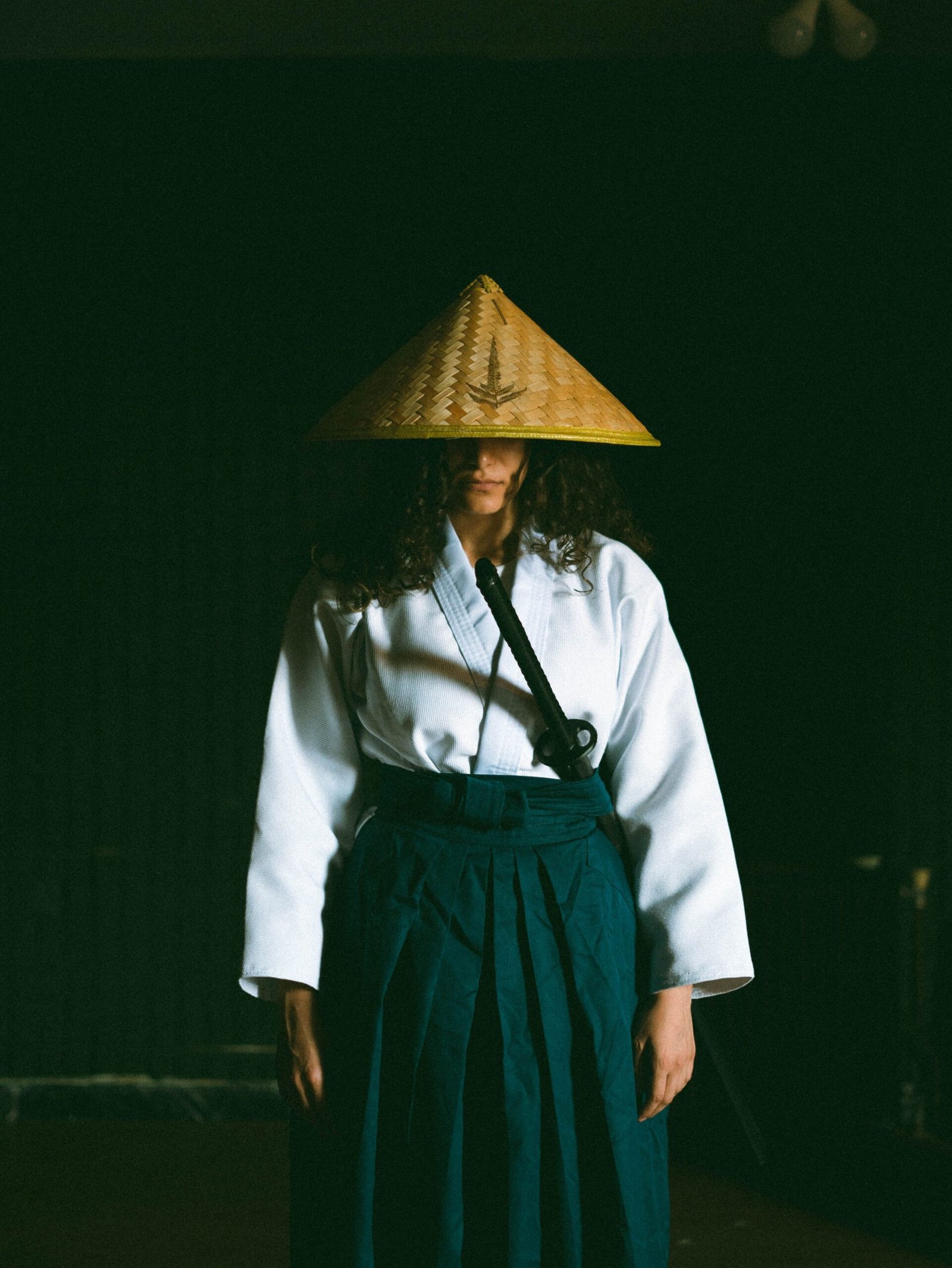
Table of Contents
ToggleIntroduction
The hakama (袴) is one of the most recognizable and culturally significant garments in Japanese history. More than just a piece of clothing, this skirt-like trouser has traversed centuries, evolving from a practical piece of armor for mounted samurai to a symbol of nobility and later, a staple of modern martial arts practice and formal occasions. Its distinctive seven pleats, structural board (koshi-ita), and the profound symbolism attached to every element make it a fascinating subject for cultural exploration. While many outside Japan may associate the hakama solely with martial arts like Aikido or Kendo, its true history is a rich tapestry woven into the very fabric of Japanese society. In this article, we will explore its historical roots, practical construction, ceremonial importance, and its modern resurgence in both traditional and contemporary fashion .
The Historical Evolution of the Hakama
The origins of the hakama can be traced back to the sixth century, heavily influenced by the style of trousers worn by the Chinese imperial court during the Sui and Tang dynasties . However, its form and usage truly crystallized during the Heian period (794-1185) and the subsequent Kamakura period, where it became closely associated with the samurai class. Initially, the “umanori” or horse-riding hakama was a practical garment designed to protect a samurai’s legs from brush, weeds, and the elements while on horseback. Given the scarcity and cost of leather in Japan, heavy cloth was used to create this protective outer garment . As samurai transitioned from mounted archers to foot soldiers, the hakama remained a crucial part of their attire, partly for its mobility and partly because it visually distinguished them from the common soldier . It was during the Edo period (1603-1868) that the hakama evolved into its modern form, becoming an essential part of the formal “kamishimo” outfit for samurai and courtiers, worn with a sleeveless jacket known as a kataginu . This period solidified the hakama as a garment representing class, formality, and the warrior ethos .
The Anatomy and Symbolism of the Hakama
Structure and Practicality
The modern hakama, as seen in martial arts dojos and formal events, is a masterpiece of functional design. It is secured by four straps, known as himo; two longer straps are found on the front, and two shorter straps are at the back . A defining feature is the rigid trapezoidal section at the rear called the koshi-ita (腰板). Originally often made of wood or cardboard and covered in fabric, the koshi-ita supports the lower back and helps maintain proper posture. Below it, on the inside, there is often a small plastic toggle called a hakama-dome or hera, which is tucked into the obi (sash) to ensure the garment stays securely in place during dynamic movement .
There are two main types of hakama: umanori (馬乗り), which are divided trousers for riding or combat, and andon-bakama (行灯袴), which are an undivided style resembling a skirt . The “mountain” or “field” hakama was a variation of the umanori, traditionally worn by workers in the forests or fields. This type was looser in the waist and narrower at the leg to prevent it from catching on branches . The undivided styles, however, have been shown to provide a different haptic sensory input to the wearer, potentially enhancing the perception of body orientation, a principle similar to how a kilt might swing, making it easier for the wearer to sense their own movement .
The Seven Virtues of the Pleats
Perhaps the most revered aspect of the hakama is its seven deep pleats—five in the front and two in the back. Far from being a random design choice, these folds are rich in symbolic meaning, traditionally representing the “Seven Virtues of Bushido,” the code of the samurai. The values associated with these pleats are: Jin (benevolence and compassion), Gi (honor and justice), Rei (courtesy and etiquette), Chi (wisdom and intelligence), Shin (sincerity and truth), Chu (loyalty and devotion), and Meiyo (dignity and prestige) . While different martial arts schools may have slight variations in the specific names or order of these virtues, the underlying principle remains the same: wearing a hakama is not merely about donning a uniform but about carrying the ethical weight of a warrior on one’s person. The placement of the front pleats is notably asymmetrical (three on the left, two on the right), a classic example of the Japanese aesthetic appreciation for asymmetry in art and design, known as fukinsei .
The Hakama in Modern Times: Ceremony and Martial Arts
Today, while no longer a part of daily menswear in Japan, the hakama has found a secure place in contemporary culture across various contexts.
Ceremonial and Formal Wear
For formal occasions, the hakama is a staple of ceremonial dress. It is commonly worn by men at traditional Shinto weddings, tea ceremonies, and funerals. The most formal variety for men is the sendaihira hakama, often made of stiff, glossy striped silk, worn with a black montsuki kimono bearing family crests . In a fascinating adaptation of tradition, the hakama is also a prominent part of women’s formal wear, particularly at university graduation ceremonies. During the Meiji era (1868-1912), dress reform advocates like Utako Shimoda promoted the hakama as a healthier, more practical alternative to restrictive corsets and heavy Western-style garments for women in higher education . This legacy persists, as female graduates often wear a furisode (long-sleeved kimono) paired with a hakama, creating a formal and elegant silhouette that is distinctively Japanese . The garment is also worn by miko (shrine maidens) assisting in Shinto ceremonies and rituals, continuing its association with sacred spaces .
The Martial Arts Tradition
For many around the world, the hakama is best known through its use in martial arts such as Kendo, Aikido, Iaido, and Kyudo. In these disciplines, the hakama is worn to protect the legs, but also to teach control. The rustle and weight of the fabric encourage awareness of one’s own movements . It is common for practitioners of Aikido, for example, to receive the right to wear a hakama after achieving a certain rank, such as first-degree black belt, making it a “badge” of experience and dedication to the path of the warrior . The specific color of the hakama can be dictated by the art; while Aikido often features black or indigo, Kendo practitioners generally wear deep blue or white, and Shinto priests are known for their white hakama .
Conclusion
The hakama is a profound cultural artifact that embodies the spirit of Japan’s warrior past and its enduring aesthetic values. It serves as a living link to the samurai who once walked the fields and castles of feudal Japan, a symbol of the virtues they aspired to, and a practical garment admired for its functional elegance. Its evolution from a utilitarian riding trouser to a symbol of high formality and a staple in modern martial arts and ceremonies highlights its remarkable versatility and timeless appeal. As it continues to adapt—appearing even in contemporary street fashion like the “Wa Lolita” style—the hakama remains a powerful emblem of Japanese tradition, reminding us that the clothing we wear can carry the weight of history and the promise of a disciplined, honorable future .
Frequently Asked Questions (FAQ) about Hakama
Q1: What is the difference between a hakama and a kimono?
A hakama is a traditional Japanese garment worn on the lower body, resembling wide-legged trousers or a skirt. It is worn over a kimono (specifically a hakamashita kimono) and is secured by straps at the waist. It extends from the waist to the ankles. In contrast, a kimono is a more complex, T-shaped wrapped garment that covers the entire body .
Q2: Why do martial artists wear a hakama?
Martial artists wear the hakama for several reasons. Historically, it protected a samurai’s legs during combat. Today, in arts like Aikido and Kendo, it promotes awareness of one’s movements due to the sound and feel of the fabric. It also symbolizes the practitioner’s dedication and represents the “Seven Virtues of Bushido” through its deep pleats. In many schools, wearing a hakama is a privilege reserved for those who have reached a certain level of expertise .
Q3: What does the “koshi-ita” on the back of the hakama do?
The koshi-ita is a rigid, trapezoidal board located at the lower back of the hakama. Its purpose is to support the wearer’s lower back and promote proper posture. It is typically made of stiff material like cardboard or wood covered in fabric. A small plastic tab called a hera is often attached below it to tuck into the obi (waist sash), helping to keep the garment firmly in place .
Q4: Can women wear hakama, and when is it common?
Yes, women frequently wear hakama in modern Japan. It is most commonly seen as formal wear for university graduation ceremonies, a tradition dating back to the Meiji period. Women may also wear it for traditional Japanese sports like Kyudo or Aikido, or while working as a shrine maiden (miko). Women’s hakama are often dyed in solid colors or graduated hues, rather than the striped patterns typical of men’s formal hakama .
Q5: What do the seven pleats on a hakama represent?
The five front and two back pleats of the hakama hold deep symbolic meaning. They represent the “Seven Virtues of Bushido.” While specific names vary slightly between different martial arts traditions, they generally encompass values like: Jin (benevolence), Gi (justice/honor), Rei (courtesy/etiquette), Chi (wisdom), Shin (sincerity), Chu (loyalty), and Meiyo (dignity/honor) .

Apple in ASL: How to Sign “Apple” in American Sign Language

Wood Duck Call: A Complete Guide to Choosing, Using, and Understanding Wood Duck Calls

Ronaldo Bicycle Kick: The Legendary Goal That Made Football History

EO PIS: Complete Guide to the Electronic Office Personnel Information System in 2026

Mark Hines: The Multifaceted Journey of a Scientist, Athlete, and Thought Leader

Nerwey: Unlocking the Power of a Unique Digital Identity for Branding and SEO Success
Trending
 Tech2 months ago
EO PIS: Complete Guide to the Electronic Office Personnel Information System in 2026
- Sports2 months ago
Mark Hines: The Multifaceted Journey of a Scientist, Athlete, and Thought Leader
- Uncategorized2 months ago
Nerwey: Unlocking the Power of a Unique Digital Identity for Branding and SEO Success
- Fashion2 months ago
Jo Wilder: Exploring the Name, Authors, and Educational Impact
- Lifestyle2 months ago
Mercedes Spall: The Untold Story of Timothy Spall’s Daughter Who Chose Privacy Over Fame
- Fashion2 months ago
Deanna Che: The Enigmatic Landscape Architect and the Quiet Force Behind a Star’s Multicultural Roots
- Tech2 months ago
The Definitive Article on xgrace19x
- Tech2 months ago
The Complete Supanet Mail Guide: Setup, Troubleshooting & Expert Tips for 2026